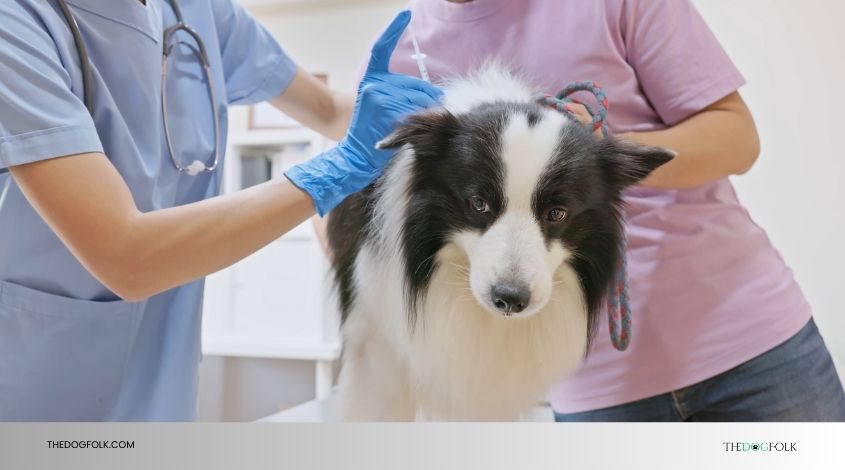
Imagine the joy a wagging tail brings to your home, and the worry that follows when your furry friend falls ill. As a caring dog owner, you want to protect your pet from harmful diseases. You might have heard of the parvo virus, a notorious threat to dogs.
But what if your dog is vaccinated? You might wonder, "Do dogs get parvo virus if vaccinated? " This question could be keeping you up at night, and rightly so. Vaccination is a crucial step in safeguarding your pet’s health, but is it foolproof?
You’ll discover the truth about parvo vaccination and what it means for your dog's safety. Uncover essential insights and practical tips that can help you breathe easier, knowing you’re doing the best for your beloved companion. Read on to ensure your dog stays healthy and protected.
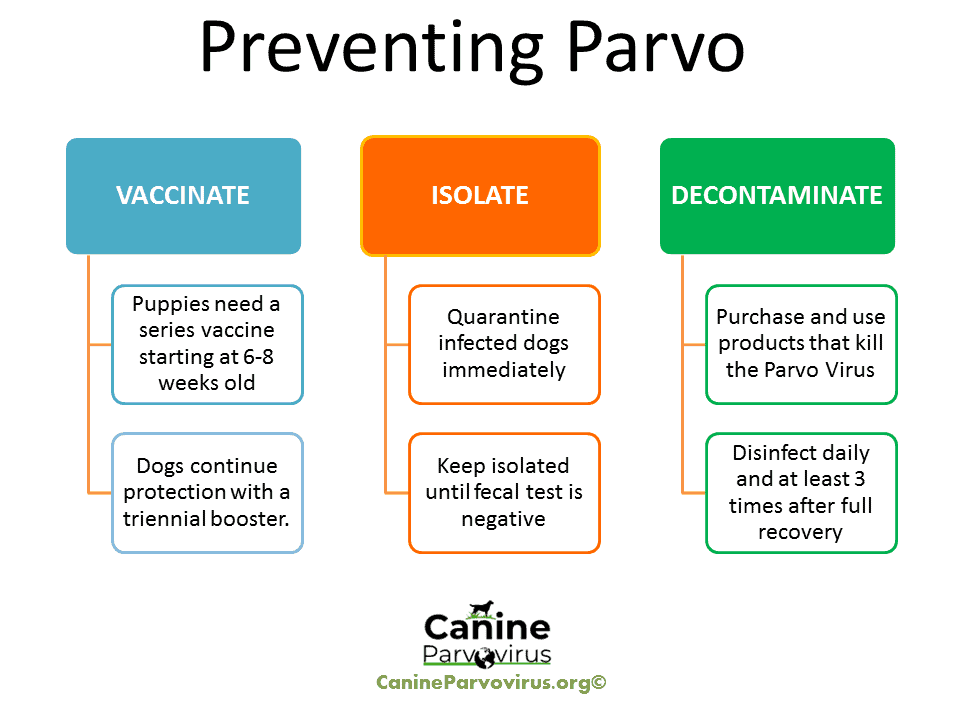
Credit: canineparvovirus.org
Parvo Virus In Dogs
Vaccinated dogs can still get Parvo virus, but the risk is much lower. Vaccines help build immunity, reducing severe symptoms. Regular booster shots are essential for ongoing protection and health.
Parvo Virus in Dogs Parvo virus is a highly contagious and potentially deadly virus that affects dogs, particularly puppies. It attacks the gastrointestinal tract and can cause severe dehydration, vomiting, and diarrhea. Even with treatment, the virus can be fatal, making it a significant concern for dog owners. Dogs contract the virus through direct contact with an infected dog or contaminated objects like food bowls, leashes, and even grass. The virus is notoriously resilient and can survive in the environment for months. This makes prevention through vaccination crucial.
How Effective Is The Parvo Vaccine?
The parvo vaccine is highly effective, but no vaccine guarantees 100% immunity. Most dogs that receive the recommended series of vaccinations are well-protected. However, a small percentage might still be vulnerable due to factors like improper storage of the vaccine or the dog's unique immune response. Vaccination is not a one-time event. Puppies require a series of shots, typically starting at 6-8 weeks old, followed by boosters every 3-4 weeks until they are about 16 weeks old. Adult dogs need regular boosters to maintain their immunity.
Can Vaccinated Dogs Still Get Parvo?
It's rare, but yes, vaccinated dogs can still contract parvo. This usually happens if the dog hasn't received all its vaccinations or if there's a gap in the booster schedule. Puppies are particularly at risk before they complete their full vaccination series. Another factor could be a weakened immune system. Older dogs or those with underlying health issues might be more susceptible even after vaccination. Regular vet check-ups can help ensure your dog's immune system is in top shape.
What To Do If Your Vaccinated Dog Shows Symptoms?
If your vaccinated dog shows symptoms like vomiting, diarrhea, or lethargy, contact your vet immediately. Early intervention is critical in managing parvo. Your vet might recommend hospitalization for intensive care, including IV fluids and medications to control symptoms. Keep your dog isolated from other pets to prevent the spread of the virus. Disinfect areas where your dog spends time using a solution of bleach and water, as the virus can linger in the environment.
Practical Tips For Keeping Your Dog Safe
Ensure your dog receives all recommended vaccinations and boosters on time. Keep vaccination records handy to track your dog's schedule. Avoid taking your puppy to public places like parks or dog beaches until they've completed their vaccinations. These areas can be breeding grounds for the virus. Regularly clean your dog's living area and wash their toys and bowls. Use effective disinfectants to kill any potential virus particles. By staying vigilant, you can significantly reduce the risk of parvo, even in vaccinated dogs. How do you ensure your pet's health and safety? Share your experiences or questions in the comments below!

Credit: www.greensafaris.com
Effectiveness Of Parvo Vaccination
Vaccinated dogs have reduced risk of parvo virus, but they aren't entirely immune. The vaccine helps create a strong defense against infection. Regular booster shots are essential for maintaining effective protection.
Vaccination plays a crucial role in preventing Parvo in dogs. It is a common disease, especially among puppies. Many dog owners wonder if vaccines provide full protection. Understanding the effectiveness of the Parvo vaccine helps in making informed decisions.
How Parvo Vaccination Works
Parvo vaccines stimulate the dog's immune system. They prepare the body to fight the virus. The vaccine contains a weak form of the virus. This does not cause the disease. Instead, it helps the body recognize and attack the real virus.
Protection Levels After Vaccination
The Parvo vaccine is highly effective. Most vaccinated dogs are protected from the virus. It greatly reduces the risk of infection. But no vaccine offers 100% protection. Some factors can affect its effectiveness.
Factors Influencing Vaccine Effectiveness
The age of the dog influences vaccine success. Younger puppies need multiple doses. Maternal antibodies can interfere with the vaccine. Timing of vaccination is also crucial. Following the vet's schedule ensures better protection.
Possible Breakthrough Infections
Breakthrough infections are rare. They occur when a vaccinated dog still gets Parvo. These cases are usually mild. Vaccinated dogs recover faster than unvaccinated ones. Timely medical care is important for recovery.
Why Vaccination Remains Important
Vaccination is the best defense against Parvo. It protects not just the vaccinated dog. It also helps protect other dogs in the community. Vaccines reduce the spread of the virus. Always keep up with the recommended vaccination schedule. `
Preventive Measures For Parvo
Vaccinated dogs have a lower risk of getting parvo virus. Vaccines boost their immunity against the virus. Regular booster shots and good hygiene are key preventive measures.
Preventive measures for parvovirus are crucial to protect your furry friend from this highly contagious disease. Even though vaccinations are highly effective, they don't provide 100% immunity, and certain factors can still put your dog at risk. Understanding how to strengthen your dog's defenses can make all the difference.
Understanding Parvovirus Vaccination
Vaccination is your first line of defense against parvo. Ensure your puppy receives the initial series of shots and follow up with booster doses throughout their life. Consult your vet about the vaccination schedule. Each dog is unique, and your vet can tailor a plan based on age, breed, and overall health.
Maintaining A Clean Environment
Keep your dog's environment clean. Parvovirus can survive in soil and on surfaces for months, making regular cleaning essential. Disinfect areas where your dog spends time. Use bleach solutions to effectively kill the virus on surfaces, especially in outdoor spaces.
Socialization And Exposure
Limit your dog's exposure to unknown dogs and public spaces until fully vaccinated. Avoid dog parks and boarding facilities during their early months. This minimizes contact with potentially infected dogs.
Monitoring Health And Symptoms
Stay vigilant about your dog's health. Watch for symptoms like vomiting, diarrhea, and lethargy, which are early signs of parvo. Act quickly if you suspect parvo. Early intervention can save your dog's life, so don't delay in contacting your vet.
Diet And Nutrition
Feed your dog a balanced diet. A healthy immune system is their best defense against infections like parvo. Consider supplements if recommended by your vet. Vitamins and minerals can boost your dog's immune response.
Community Awareness And Education
Engage with your local pet community. Share information about parvo prevention and encourage others to vaccinate. Educate friends and family on how to spot symptoms. A community aware of the risks can reduce the spread of this virus. By taking these steps, you can significantly reduce the risk of your dog contracting parvo even if they're vaccinated. Do you think your dog is safe from parvo with their current routine?
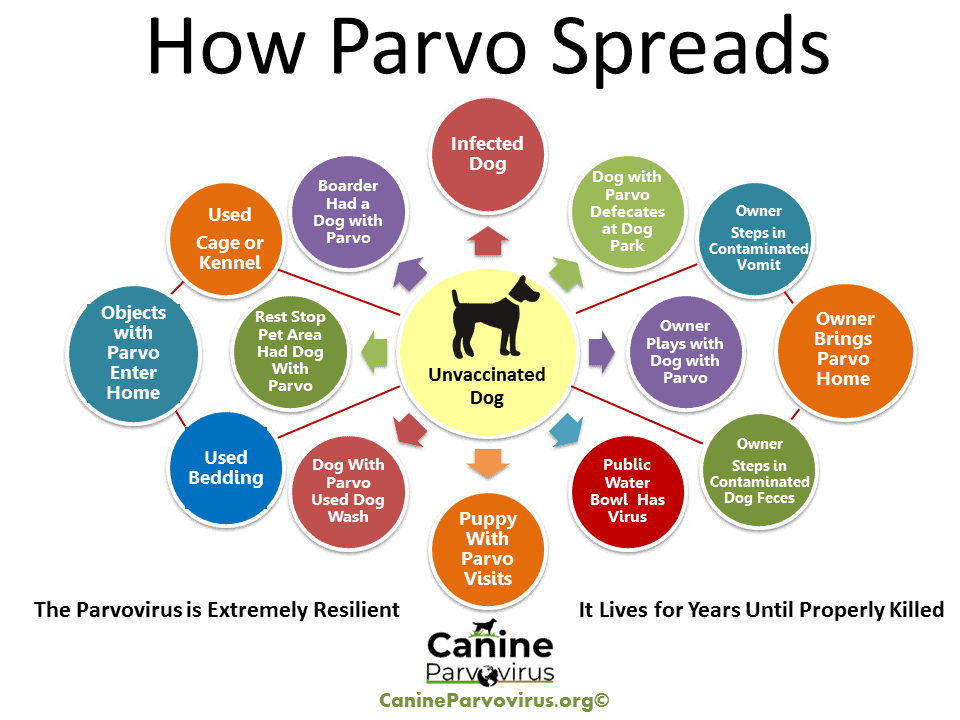
Credit: canineparvovirus.org
Frequently Asked Questions
Can Vaccinated Dogs Still Get Parvo Virus?
Vaccinated dogs have a low risk of parvo. Rare cases occur due to weak immunity or incomplete vaccination.
How Effective Is The Parvo Vaccine For Dogs?
The parvo vaccine is highly effective. It significantly reduces the risk of infection in dogs.
Do Puppies Need Multiple Parvo Vaccinations?
Yes, puppies need multiple shots. They start at six weeks and continue until 16 weeks for full protection.
What Are Parvo Symptoms In Vaccinated Dogs?
Symptoms include vomiting, diarrhea, and lethargy. Even vaccinated dogs might show mild symptoms.
Can Adult Dogs Get Parvo After Vaccination?
Adult dogs rarely get parvo after vaccination. Regular booster shots maintain immunity and protection.
Conclusion
Vaccinated dogs have a lower risk of getting parvo. Vaccines boost their immunity. But no vaccine guarantees 100% protection. Some dogs may still catch the virus. Regular vet check-ups are crucial. Keep your dog healthy and safe. Maintain cleanliness in their environment.
Watch for parvo symptoms like vomiting or diarrhea. Contact a vet if symptoms appear. Early treatment is vital. Vaccination remains the best defense. It reduces the chance of severe illness. Protect your furry friend with timely vaccines and care.