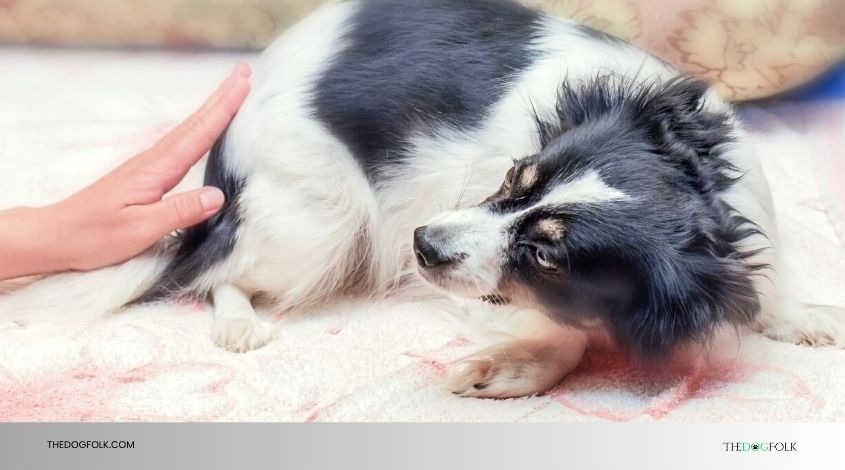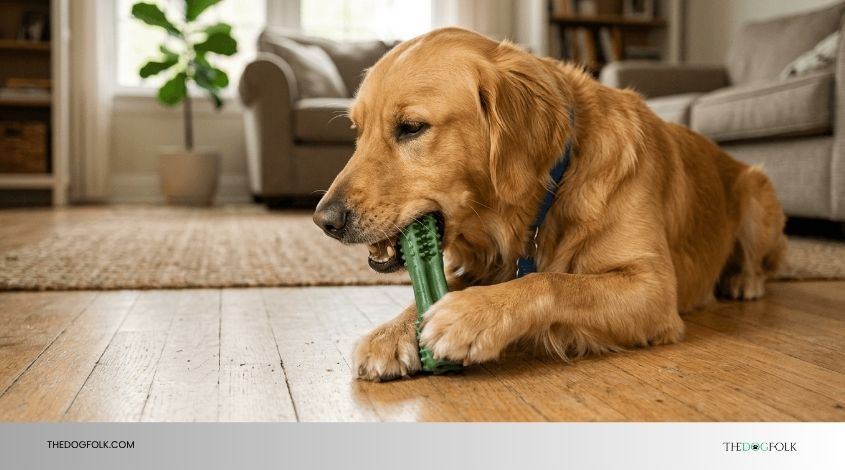
Imagine this: you're cuddling with your furry friend, and suddenly, you catch a whiff of their breath. It's less than pleasant.
You might be wondering if dog dental chews could be the solution to this smelly situation. As a loving pet owner, you care about your dog's health, and you want to ensure their teeth are in top shape. But do these chews really work?
Are they worth investing in? You'll find answers to these questions right here. Keep reading, and you'll discover how dog dental chews might transform your pet's oral health, leaving them with a cleaner, fresher mouth—and you with peace of mind.

Credit: journals.sagepub.com
Benefits Of Dog Dental Chews
Dog dental chews aren't just treats; they're a smart addition to your pet's health routine. These chews offer real benefits that can make a noticeable difference in your dog's oral hygiene. You might wonder how something so simple can improve dental health. Let's dive into the specific advantages these chews bring to your furry friend's life.
Improve Oral Health
Dental chews can reduce plaque and tartar buildup. They work by physically scrubbing your dog's teeth as they chew. This process helps prevent gum disease and tooth decay. You’ll notice fresher breath and fewer dental issues.
Promote Fresh Breath
If your dog’s breath makes you wince, dental chews might be the solution. By reducing bacteria in the mouth, these chews can lead to noticeably fresher breath. You’ll enjoy cuddle time without holding your breath.
Provide Entertainment And Mental Stimulation
Dental chews aren't just healthy; they're fun! Dogs love the challenge of gnawing on something tasty. This activity can keep them occupied and mentally stimulated. You might find your pup more relaxed and less bored.
Easy To Use
Unlike brushing, dental chews are hassle-free. You simply give them to your dog, and they do the rest. This ease makes it simple to include dental care in your pet's routine. Wouldn’t it be great to improve your dog's health without extra effort?
Support Overall Health
Dental health impacts more than just the mouth. Poor oral hygiene can affect the heart and other organs. By maintaining oral health, dental chews contribute to better overall health. Isn’t it amazing how one small chew can have such a big impact?
So, next time you see dental chews at the store, consider adding them to your dog's diet. The benefits are clear and can lead to a healthier, happier pet. What changes have you noticed after introducing dental chews to your dog's routine?

Credit: www.thrivepetcare.com
Types Of Dental Chews
When it comes to keeping your dog's teeth clean, dental chews are a popular option. But are all dental chews created equal? Understanding the different types can help you choose the best one for your furry friend. Just like humans have varied preferences, dogs might enjoy certain types more than others.
Rawhide Chews
Rawhide chews are made from the inner layer of cow or horse hides. They are chewy, which can help scrape off plaque and tartar as your dog gnaws away. However, some dogs might swallow large pieces, leading to digestive issues. Always supervise your dog when they enjoy rawhide to avoid any mishaps.
Dental Treats
Dental treats are not only tasty but also designed to clean your dog's teeth. They often contain ingredients that help fight plaque and freshen breath. Think of them as a reward that also does some cleaning. Check the label for the Veterinary Oral Health Council seal of approval for quality assurance.
Natural Chews
Natural chews, like antlers or bully sticks, offer a more organic option. They are durable and can last longer than other types. The texture aids in cleaning teeth, but their hardness might not suit all dogs. If your dog loves a challenge, natural chews can be a thrilling choice.
Rubber Chews
Rubber chews are designed to be tough yet gentle on your dog's teeth. Many feature grooves and bumps that can help clean teeth as your dog plays. They can be a great alternative for dogs with sensitive gums. Plus, they double as a toy, offering mental stimulation.
Choosing the right dental chew can feel overwhelming. Have you ever watched your dog savor their favorite chew? Their excitement might hint at the best type for them. Always consider your dog's size, chewing habits, and any dietary needs. Do you feel more confident in picking the perfect dental chew now?
Effectiveness And Limitations
When it comes to maintaining your dog's dental health, you might have considered dental chews as a convenient option. Do they really work, though? Let's explore their effectiveness and limitations.
Effectiveness Of Dog Dental Chews
Dog dental chews can be beneficial for reducing plaque and tartar buildup. These chews often contain enzymes that help break down food particles stuck in your pet's teeth.
Chewing stimulates saliva production, which naturally cleanses the mouth. This can lead to fresher breath and a healthier mouth environment.
Imagine your dog happily gnawing on a tasty treat that not only satisfies their need to chew but also promotes dental health. It's a win-win situation!
Limitations Of Dog Dental Chews
Despite their benefits, dental chews are not a complete solution. They can't replace regular brushing or professional cleanings.
Some dogs might not be interested in these chews, or they might swallow them too quickly without reaping the benefits. This makes effectiveness vary from dog to dog.
Have you ever wondered why your dog prefers certain treats over others? The texture and flavor play a significant role in their interest.
Choosing The Right Chews
Consider your dog's size and chewing habits when selecting dental chews. Choose appropriately sized chews to avoid choking hazards.
Look for chews approved by veterinary experts. The Veterinary Oral Health Council (VOHC) seal ensures the product has been tested for efficacy.
Did you know that some chews are specifically designed for pups with sensitive teeth? Look for options tailored to your dog's needs.
Integrating Chews Into Your Routine
Introduce dental chews gradually, observing how your dog responds. Monitor their chewing habits and adjust based on their preference.
Pair chews with regular brushing for optimal results. A holistic approach ensures comprehensive dental care for your furry friend.
Why not set up a dental care routine? It can be as simple as alternating between brushing and giving chews on specific days.
Dog dental chews offer a convenient way to support oral health, but they're not a magic bullet. What other strategies do you employ for your dog's dental care?
Credit: www.eastsacvet.com
Frequently Asked Questions
What Are Dog Dental Chews Made Of?
Dog dental chews are made from natural ingredients like meat, vegetables, and grains. They help clean teeth.
How Do Dental Chews Clean A Dog's Teeth?
Dental chews reduce plaque and tartar through chewing action. They help maintain oral hygiene for dogs.
Are Dental Chews Safe For All Dogs?
Most dental chews are safe for dogs. Always check product labels for age and size recommendations.
Do Dental Chews Replace Brushing?
Dental chews supplement brushing but don't replace it. Regular brushing is essential for complete oral care.
How Often Should I Give Dental Chews To My Dog?
Give dental chews several times a week. Follow the manufacturer's guidelines for best results.
Conclusion
Dog dental chews can support your pet's oral health. They reduce plaque and freshen breath. Consistent use is key for best results. Not a replacement for brushing, but a helpful aid. Pick high-quality chews for safety and effectiveness. Always consult your vet.
They know your dog's needs best. Regular dental care leads to a happier, healthier dog. Remember, a clean mouth means fewer vet visits. Invest in your dog's smile today. Keep your furry friend healthy with good dental habits. A little effort makes a big difference in their life.