Your dog is more than just a pet; they're a beloved family member. So, naturally, you want to do everything possible to keep them safe and healthy.
You've probably heard that vaccinations are crucial for preventing serious diseases like parvovirus, but have you ever wondered if your vaccinated dog can still carry and spread parvo? This question is more common than you might think, and the answer could have a significant impact on your peace of mind and your dog's well-being.
Imagine the reassurance of knowing your furry friend is truly protected, not just from getting sick, but also from unknowingly passing on a dangerous virus to other dogs. We'll uncover the facts about parvovirus and vaccinations, addressing your concerns head-on. By the end, you'll have a clearer understanding of how to best protect your dog and those around them. Don’t let uncertainty linger—read on to find out what every dog owner needs to know.
Credit: greensafaris.com
Parvo In Vaccinated Dogs
Vaccinated dogs can still carry the parvo virus without showing symptoms. They might spread it to other animals. Vaccines reduce the severity of the disease but don't eliminate the risk entirely. Regular vet check-ups and hygiene practices help prevent transmission.
Parvo is a highly contagious virus that can affect dogs, especially puppies. Many dog owners wonder if their vaccinated pets can still carry this virus. While vaccination significantly reduces the risk of infection, it doesn't always guarantee complete immunity. Understanding how parvo affects vaccinated dogs can help you make informed decisions about your pet's health and safety.
Understanding Parvo Vaccination
Vaccines work by stimulating your dog's immune system to recognize and fight the parvovirus. Most puppies receive a series of parvo shots, starting at six to eight weeks old, with boosters every few weeks until they're about 16 weeks old. Regular boosters throughout a dog's life help maintain immunity. However, no vaccine is 100% effective. Factors like the timing of the shots or your dog's individual health can influence the vaccine's effectiveness.
Can Vaccinated Dogs Still Get Parvo?
Yes, though it's less common. A vaccinated dog might contract parvo if their immunity is not fully developed or if they are exposed to a highly concentrated environment of the virus. Consider this: a friend of mine had a puppy who, despite being vaccinated, contracted parvo after playing in an area known for stray dogs. This highlights the importance of where you let your pet roam.
Symptoms To Watch For
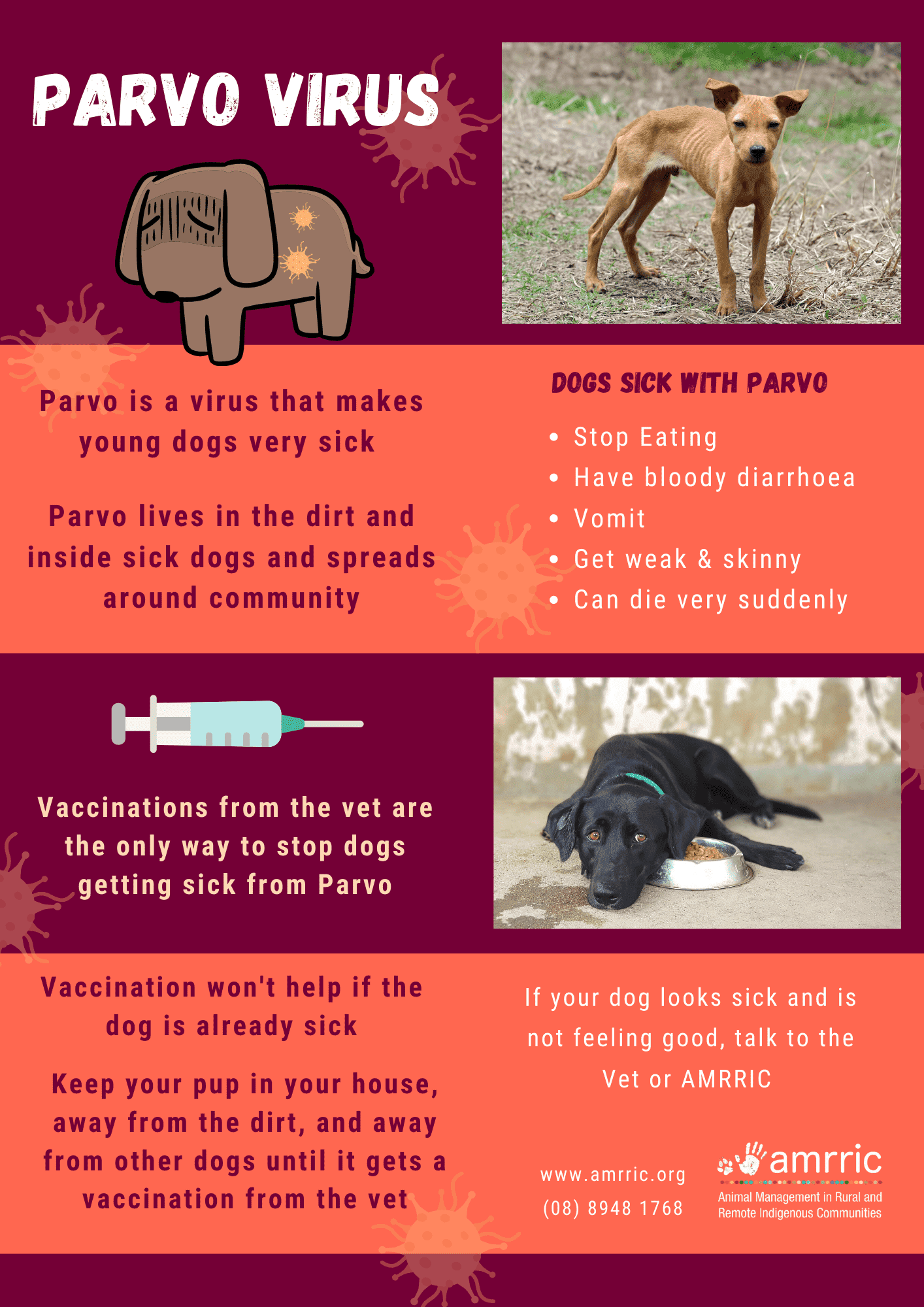
Even if your dog is vaccinated, knowing the symptoms of parvo is crucial. Common signs include vomiting, diarrhea, lethargy, and loss of appetite. If you notice these symptoms, contact your vet immediately. Early intervention can save your dog's life.
Preventive Measures For Pet Owners
Maintaining your dog's health involves more than just vaccinations. Keep your dog away from areas with high dog traffic, especially if it's not well-maintained. Regular vet check-ups are essential to ensure your dog's immune system stays strong. Additionally, clean and disinfect your home and yard regularly, especially if there have been other dogs around.
What If My Vaccinated Dog Gets Parvo?
Don't panic. If your vaccinated dog contracts parvo, the severity is often less than in unvaccinated dogs. Treatment typically involves supportive care such as fluids and medications to control symptoms. The key is to act quickly and follow your vet's advice closely. Your attentiveness can make a significant difference in your pet's recovery.
Is It Safe To Socialize My Vaccinated Dog?
Yes, but with caution. Socializing your dog is important for their mental and emotional health. Just ensure they interact with other vaccinated dogs in clean environments. Before taking your dog to parks or events, assess the cleanliness and the likelihood of exposure to unvaccinated animals. Your vigilance helps keep your pet safe while enjoying social activities.
Credit: www.petmd.com
Transmission Risks
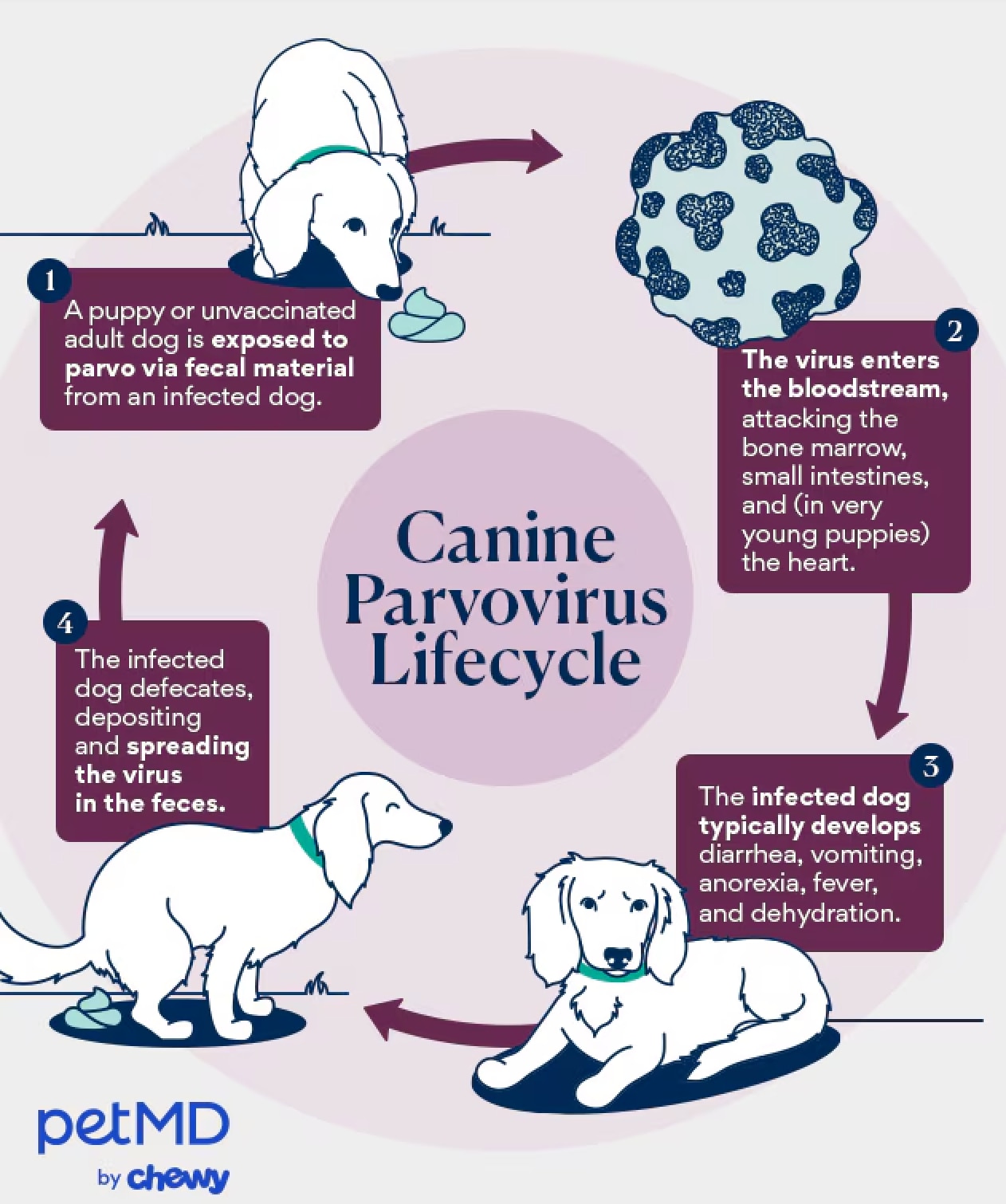
When you think about the safety of your furry friend, understanding the risks of disease transmission becomes crucial. Can vaccinated dogs carry parvo? It's a question many pet owners ask themselves. Knowing the transmission risks helps you take better care of your dog and keep your home free from harmful pathogens.
Can Vaccinated Dogs Still Spread Parvo?
Your dog's vaccination is like a shield, but it's not impenetrable. Even vaccinated dogs might carry the parvo virus if they come into contact with infected feces or contaminated surfaces. It's rare, but possible. Consider it a reminder that vaccination reduces risk, but doesn't eliminate it entirely.
Environmental Transmission Risks
Did you know parvo can survive in the environment for months? Imagine your dog playing in a park where an infected dog once roamed. The virus can linger in the soil, waiting to hitch a ride on your dog's paws. Avoid areas with known outbreaks and always clean your dog's paws after a walk.
Social Interaction And Parvo
Think twice before letting your dog mingle with others at a dog park. Social interactions can be a source of transmission, especially if the other dog is infected. You may want to ask about vaccination statuses before setting up playdates. It's about being proactive in safeguarding your pet's health.
Are You Taking Proper Precautions?
Ask yourself, are you doing everything to minimize risks? Simple steps like maintaining a clean home and monitoring your dog's interactions can make a difference. Regular vet visits and keeping your dog's vaccination up-to-date further protect them from potential exposure.
Understanding transmission risks empowers you to be a responsible pet owner. It ensures your dog stays healthy and happy. Are you ready to take the necessary steps to protect your four-legged companion?
Preventive Measures
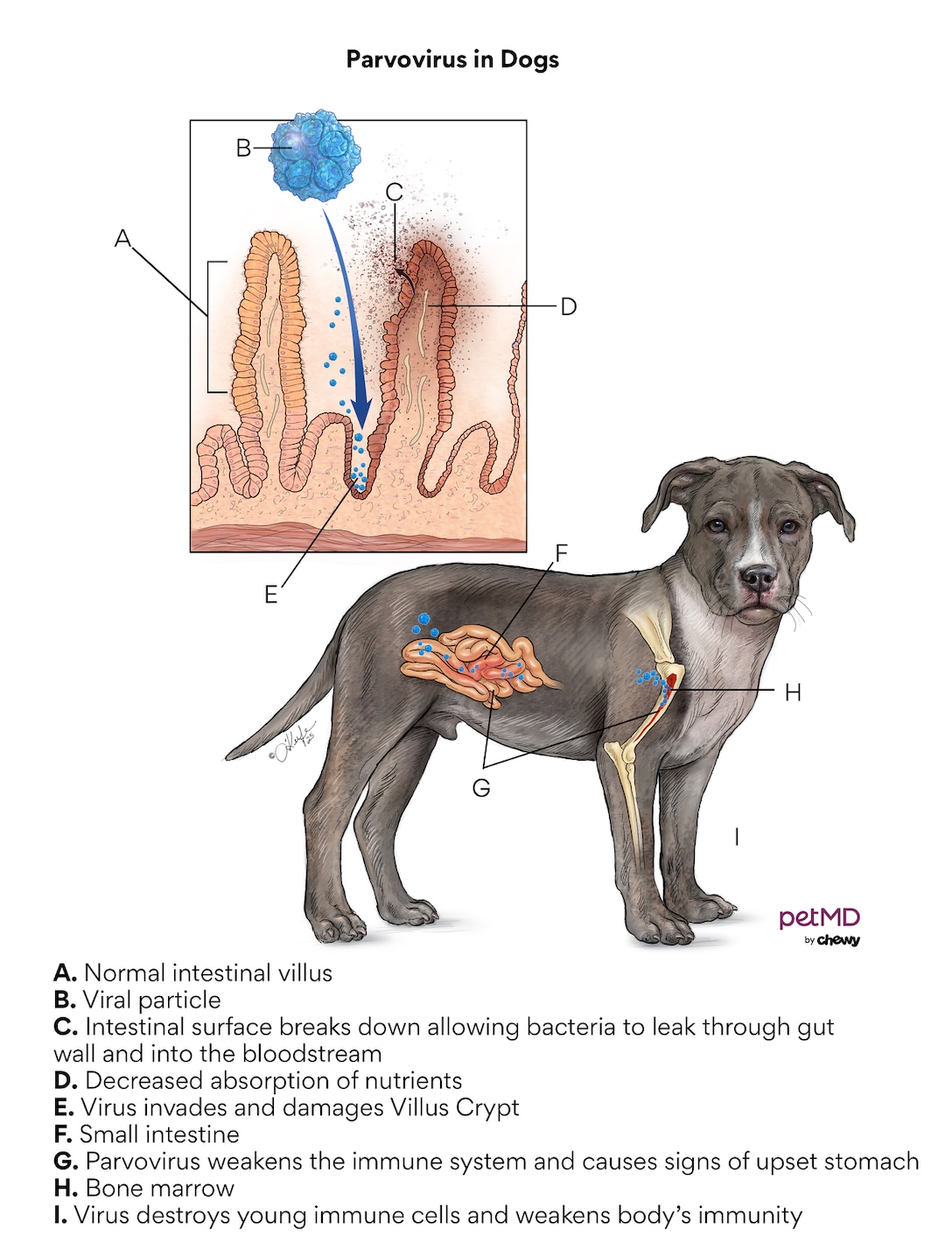
Preventing the spread of parvo in dogs is crucial, especially if you have vaccinated dogs at home. While vaccinations are key, they don't make your dog immune to carrying the virus. Understanding preventive measures can protect your furry friend and others from this contagious disease. Let’s dive into actionable steps you can take to ensure safety and health in your home.
Maintaining Clean Environments
Start by keeping your dog's surroundings clean. Regularly disinfect areas where your dog spends most of their time. Consider using a bleach solution, which is effective against the parvo virus. Pay attention to their toys, bedding, and feeding bowls. This can significantly reduce the risk of virus transmission.
Regular Health Check-ups
Regular vet visits are essential. Even if your dog appears healthy, a vet can identify early signs of illness. Schedule annual check-ups and discuss any symptoms or behavioral changes you notice. This proactive approach helps catch potential problems early.
Socialization And Interaction
Socialization is important, but it requires caution. Avoid areas with high dog traffic if there's a known outbreak. You might enjoy taking your dog to a park, but consider whether it's worth the risk. Opt for playdates with vaccinated dogs instead. This minimizes exposure to potential carriers.
Vaccination Boosters
Stay informed about vaccination schedules. Boosters are crucial for maintaining immunity. Talk to your vet about the best timing for booster shots. Keeping vaccinations up-to-date strengthens your dog's defense against parvo. It’s a small step that makes a big difference.
Monitoring Symptoms
Keep an eye on any unusual symptoms in your dog. Are they vomiting or showing signs of lethargy? Early detection can be lifesaving. Consult your vet if you notice anything odd. Quick action could prevent the spread of the virus.
Taking these preventive measures can protect not only your dog but also the dogs in your community. What steps will you take today to ensure your pet's health and safety?
Credit: www.petmd.com
Frequently Asked Questions
Can Vaccinated Dogs Still Spread Parvo?
Yes, vaccinated dogs can carry parvo. The vaccine reduces the risk, but does not eliminate it entirely.
How Effective Is The Parvo Vaccine For Dogs?
The parvo vaccine is highly effective. It significantly lowers the chance of infection, but isn't 100% foolproof.
What Are Symptoms Of Parvo In Vaccinated Dogs?
Symptoms include vomiting, diarrhea, and lethargy. Even vaccinated dogs may show mild signs if infected.
Can A Puppy Get Parvo From A Vaccinated Dog?
It's possible. Vaccinated dogs can shed the virus, but the risk is lower than with unvaccinated dogs.
Why Should Vaccinated Dogs Avoid Parvo-infected Areas?
To prevent infection. Parvo can linger in the environment, posing a risk even to vaccinated dogs.
Conclusion
Vaccinated dogs have a lower risk of carrying parvo. Vaccines protect them well. Yet, no vaccine is 100% effective. Always stay cautious. Regular vet visits help monitor your dog's health. Clean your dog's environment regularly. This reduces any potential risks.
Educate yourself about parvo symptoms. Early detection is key. Play it safe with your pet's health. Prevention is always better than cure. Keep your dog's vaccinations up-to-date. This offers the best protection. Protecting your pet keeps them healthy. A healthy dog means a happy home.
Stay informed. Stay prepared. Your dog's well-being depends on it.