Imagine the worry that grips you as a loving pet owner when you hear about canine parvovirus, a highly contagious virus that affects dogs. You’ve done your part by getting your furry friend vaccinated, but the question still lingers in your mind: Can a vaccinated dog get parvo?
It’s a concern that many dog owners share, and understanding the answer can bring much-needed peace of mind. You’ll discover the truth behind canine parvovirus and vaccinations. We'll explore how effective vaccinations really are and what precautions you can take to protect your beloved pet.
By the end of this read, you'll not only have clarity but also feel empowered to make informed decisions about your dog's health. Stay with us as we unravel this crucial topic, ensuring your pup’s safety and your peace of mind.
Credit: www.greensafaris.com
Parvo Virus In Dogs
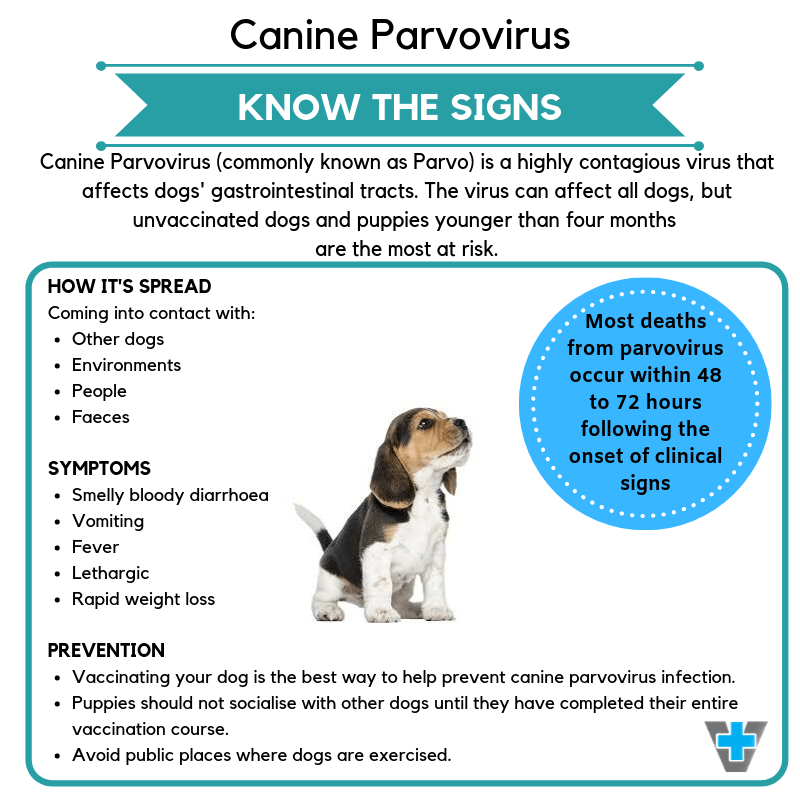
Parvo Virus in Dogs is a concern for every dog owner. This highly contagious virus targets the intestines, leading to severe symptoms like vomiting, diarrhea, and dehydration. Despite vaccination, the risk of exposure remains, prompting many to wonder if their vaccinated dog is truly protected.
What Is Parvo Virus?
Parvo virus is a particularly stubborn pathogen. It can survive in the environment for months, making it easy for dogs to contract it. Puppies are especially vulnerable, as their immune systems are still developing.
How Do Dogs Contract Parvo?
Dogs can pick up the virus from contaminated surfaces, feces, or even the fur and feet of infected dogs. It's important to clean areas where your dog plays or rests to reduce the risk. Regular vet visits help ensure your dog is not unknowingly exposed.
Can A Vaccinated Dog Get Parvo?
While vaccination is a powerful tool, it doesn't offer 100% protection. If a dog is vaccinated but exposed to a high volume of the virus, it may still fall ill. However, symptoms might be less severe compared to unvaccinated dogs.
Signs To Watch For
Knowing the signs can make a difference. If your dog shows lethargy, refuses food, or has bloody diarrhea, consult a vet immediately. Early intervention can save lives. Have you ever noticed any of these symptoms in your dog? Act fast to protect their health.
Preventative Measures
Beyond vaccination, hygiene is crucial. Clean your dog's living area and avoid dog parks during outbreaks. Keeping your dog away from unknown animals can prevent exposure. Are you doing enough to keep your dog safe?
Your Role In Keeping Your Dog Safe
Regular vaccinations and vet check-ups are essential. Stay informed about local outbreaks and adjust your dog's routines accordingly. It's a shared responsibility to keep our canine companions healthy and happy. What steps can you take today to ensure your dog's safety?
Vaccination And Parvo Risk
Vaccinating your dog is crucial for its health. Yet, many wonder if vaccines can fully protect against parvo. Parvo is a severe and sometimes fatal disease. Understanding the link between vaccination and parvo risk is vital for pet owners.
What Is Parvo?
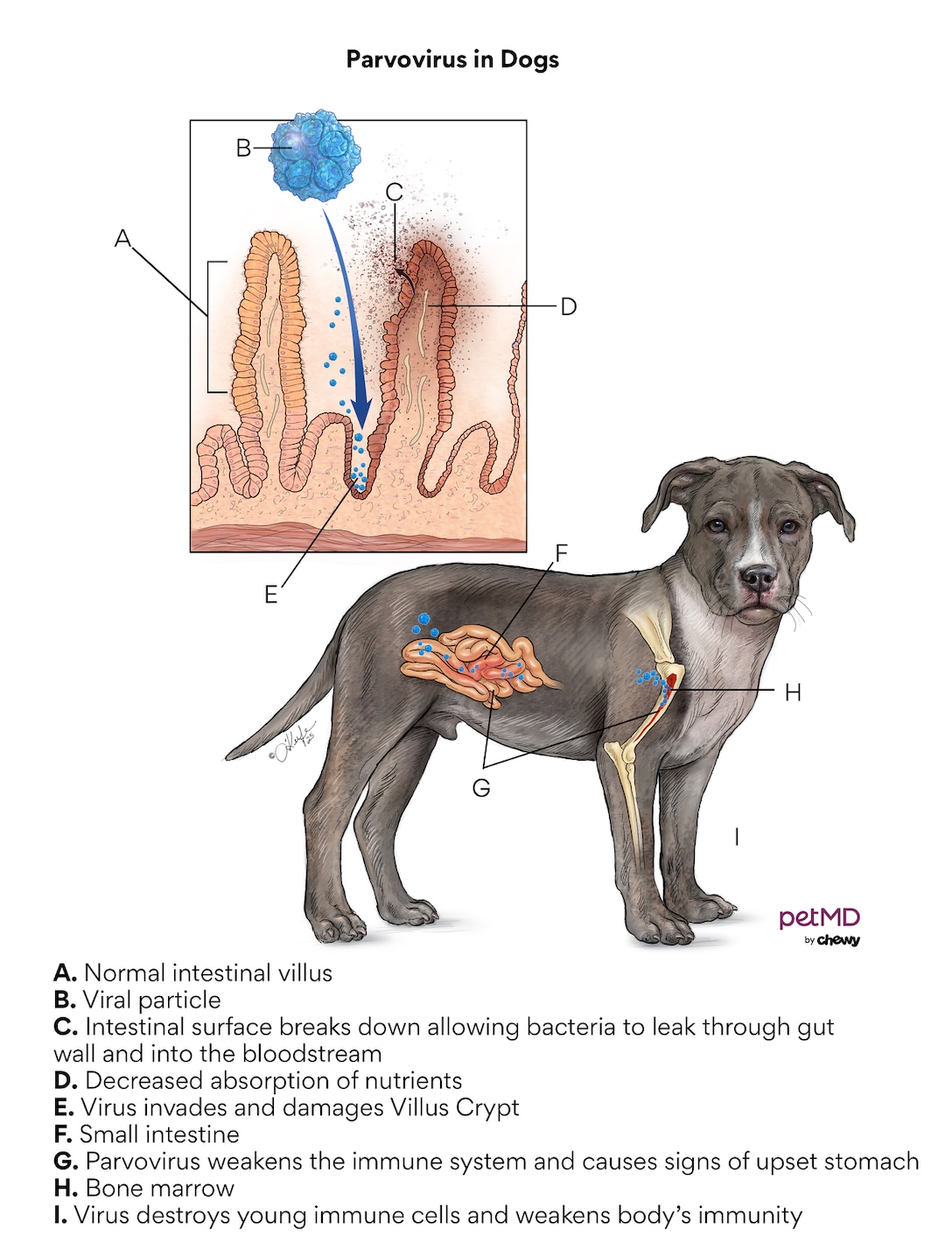
Parvo is a viral disease that affects dogs. It targets the intestines and can cause severe diarrhea. Parvo is highly contagious and spreads easily. It poses a significant threat to puppies and unvaccinated dogs.
How Vaccines Work
Vaccines train a dog's immune system to fight diseases. They contain weakened or killed viruses. Once vaccinated, a dog's body learns to recognize and combat these viruses. This process helps protect dogs from future infections.
Can Vaccinated Dogs Get Parvo?
Vaccinated dogs can still get parvo, but it's rare. Most vaccines are effective, but no vaccine offers 100% protection. Factors like timing and the dog's health can affect immunity. Regular booster shots help maintain protection.
Importance Of Booster Shots
Booster shots strengthen and refresh a dog's immunity. They ensure the vaccine remains effective over time. Skipping boosters increases the risk of infection. Regular vet visits help keep your dog's vaccines up-to-date.
Signs Of Parvo In Vaccinated Dogs
Even vaccinated dogs can show parvo symptoms. Watch for vomiting and diarrhea. Loss of appetite and lethargy are also signs. Quick vet attention is essential if symptoms appear.
Protecting Your Dog From Parvo
Parvo is a serious disease that affects dogs. It spreads quickly and can be fatal. Vaccination is essential for protection. But even vaccinated dogs need care. Regular checks and clean environments help. Owners must stay informed and vigilant.
Understanding Parvo In Dogs
Parvo attacks a dog's intestines. It leads to vomiting and diarrhea. Puppies are most at risk. Older dogs can get it too. Vaccination reduces the risk. But no vaccine is 100% effective.
Importance Of Vaccination
Vaccination is a key defense. It builds immunity in dogs. Puppies need a series of shots. Adult dogs require boosters. Consult your vet for schedules. Keep records of vaccinations.
Maintaining A Clean Environment
A clean home prevents infections. Disinfect areas where your dog plays. Wash their bowls regularly. Avoid contact with sick dogs. Parvo spreads through feces. Clean up after your dog promptly.
Monitoring Your Dog's Health
Watch for signs of illness. Lethargy and loss of appetite are common. Check for vomiting or diarrhea. Visit the vet if you notice these signs. Early detection can save lives.
Consulting Your Veterinarian
Regular vet visits are crucial. Discuss your dog's vaccination status. Ask about risk factors for parvo. Follow your vet's advice carefully. They can offer the best protection strategies.

Credit: thevets.com
Credit: www.petmd.com
Frequently Asked Questions
Can Parvo Affect Vaccinated Dogs?
Yes, but it's rare. Vaccinated dogs have stronger immunity. They are less likely to get parvo.
How Effective Is Parvo Vaccination?
Parvo vaccines are very effective. They greatly reduce the risk of infection. But no vaccine is 100% foolproof.
What Are Parvo Symptoms In Vaccinated Dogs?
Mild symptoms may appear. Watch for vomiting, diarrhea, or lethargy. Early vet consultation is important.
Should I Vaccinate My Dog Against Parvo?
Yes, vaccination is crucial. It protects your dog from severe illness. Always follow your vet's advice.
Can Parvo Be Treated In Vaccinated Dogs?
Yes, treatment is possible. Early medical intervention helps. Supportive care and hydration are key.
Conclusion
Vaccination offers crucial protection against parvo. Yet, no vaccine is perfect. A vaccinated dog can still get parvo in rare cases. Young puppies and dogs with weak immune systems are more at risk. Regular vet check-ups help ensure your dog's health.
Monitor your dog for any signs of illness. Immediate vet attention can save lives. Clean environments reduce the chance of infection. Vaccination remains a vital tool in parvo prevention. Protect your dog with timely vaccinations and care. A healthy dog is a happy companion.
Stay informed and proactive for your pet's well-being.