
Are you constantly worried about your dog's separation anxiety when you leave the house? Does your furry friend seem distressed, barking, and pacing every time you're out of sight?
You're not alone. Many pet owners face this challenge and wonder if getting another dog might be the solution. Imagine coming home to a peaceful environment, where your dog feels secure even when you're away. Could another dog be the key to making this dream a reality?
We'll explore the potential benefits and considerations of adding a new canine companion to your household. Discover how this decision could impact your dog's emotional well-being, and learn the tips and tricks to make it a success. Dive in to find out if a second dog might be the answer you've been searching for.
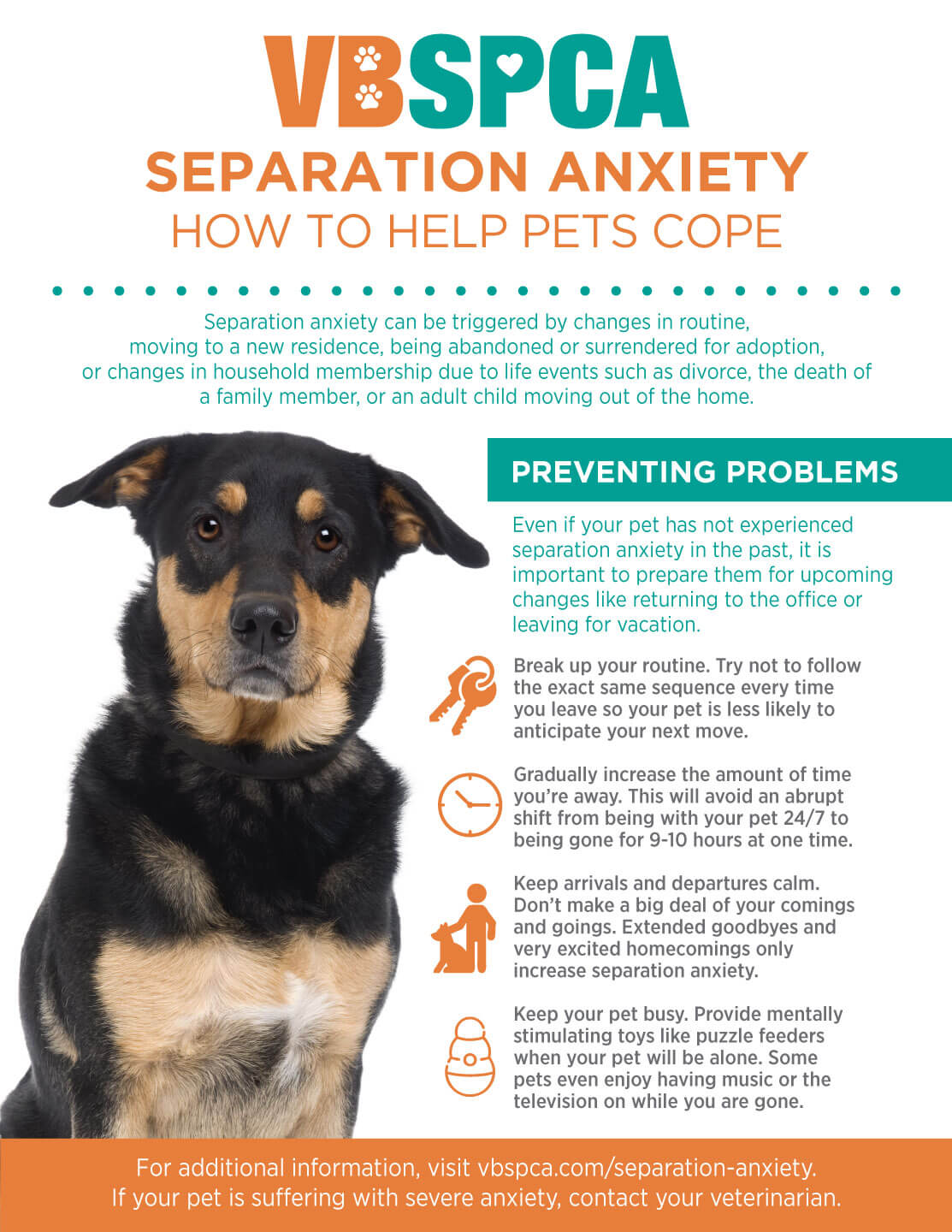
Credit: vbspca.com
Benefits Of Having Multiple Dogs
Thinking of adding another furry friend to your household? Having multiple dogs can bring numerous benefits. These benefits can significantly improve the well-being of your pets. They can also enhance your own experience as a dog owner. Let's explore the potential advantages of having more than one dog in your home.
Companionship For Each Other
Dogs are social animals. They enjoy the company of their own kind. Having a second dog provides constant companionship. This companionship can ease the stress of being alone. It can help reduce separation anxiety. They play together, keeping each other entertained. This can make them happier and less anxious.
Encourages Physical Activity
Dogs love to play and run. With a playmate, they get more exercise. This physical activity is essential for their health. It helps in keeping them fit and active. It also provides mental stimulation. A tired dog is a happy and well-behaved dog.
Improves Socialization Skills
Having more than one dog can improve social skills. They learn to share and communicate. This enhances their ability to interact with other dogs. It makes them more adaptable in various situations. This is beneficial during visits to the park or vet.
Increases Emotional Support
Dogs provide emotional support not only to humans. They also support each other. A second dog can offer comfort during stressful times. This is especially helpful during storms or fireworks. They rely on each other, feeling secure in each other's presence.
Teaches Responsibility
Caring for multiple dogs teaches responsibility. It involves feeding, grooming, and exercising them. This fosters a sense of duty and care. It is a valuable lesson for families, especially children.

Credit: www.aspca.org
Challenges Of Adding Another Dog
Adding another dog might seem like a solution for separation anxiety. But it presents several challenges. It requires careful consideration and planning. Each dog has unique needs and personalities.
Integrating a new dog can be demanding. Your existing pet might feel threatened or anxious. This can cause stress for both dogs and you.
Compatibility Between Dogs
Not all dogs get along naturally. Introducing a new dog can create tension. The dogs might not bond instantly. It is crucial to ensure they are compatible.
Observe their interactions closely. Aggressive behavior might occur. Be prepared to intervene if necessary.
Financial Implications
Another dog means more expenses. Consider vet visits, food, and grooming. Costs can increase significantly.
Budgeting becomes essential. Unexpected expenses can arise. Prepare for these financial demands.
Time And Attention
Each dog requires individual attention. Training, walks, and playtime are necessary. Balancing time between both dogs can be challenging.
Ensure neither dog feels neglected. They both need your love and care.
Training Challenges
Training two dogs at once is demanding. Each dog learns at its own pace. Consistency is key for effective training.
You may need to adjust training methods. Patience is important during this process.
Potential For Increased Anxiety
A new dog might not solve anxiety issues. Sometimes, it can worsen the situation. The anxious dog might feel more stressed.
Monitor their behavior closely. Seek professional help if anxiety persists.
Factors To Consider Before Adoption
Bringing another dog into your home might ease separation anxiety for your pet. Consider temperament, energy levels, and compatibility. Introducing them gradually can help build a positive relationship.
Adopting another dog to help with separation anxiety is a significant decision. It can bring joy but also requires serious consideration. Before you open your home to a new furry friend, take a moment to think about a few key factors. These considerations will not only affect your current pet but also your lifestyle and home environment.
Compatibility With Your Current Dog
Your dog's temperament plays a crucial role in welcoming another pet. Is your dog social and comfortable around other dogs? If your dog tends to be territorial or anxious around unfamiliar dogs, introducing a new pet might create more stress. Observe your dog's behavior in various social settings to gauge compatibility. You want a peaceful coexistence, not a potential rivalry.
Financial Implications
Adding another dog means doubling the cost. Consider food, vet visits, grooming, and toys. Are you financially prepared for the responsibility? Unexpected expenses can arise, like medical emergencies. Budgeting for these costs ensures you can provide a happy and healthy life for both dogs.
Time Commitment
Two dogs require more of your time. Training, exercise, and playtime need to be shared between them. Do you have the time to dedicate to both dogs? Ensuring each pet gets adequate attention is crucial. Otherwise, the separation anxiety issue might worsen instead of improving.
Space Requirements
Consider your living space. Is your home big enough for two dogs to roam comfortably? Crowded spaces can lead to territorial disputes. Think about sleeping arrangements, feeding stations, and play areas. Having enough room allows each dog to have their own space, reducing stress.
Your Emotional Readiness
Are you emotionally ready to care for another pet? It's not just about the logistics. Adding another dog brings an emotional commitment. Reflect on your feelings and ability to bond with a new pet. Make sure you're ready to share your affection and attention equally.
Long-term Commitment
Dogs are long-term companions. Are you prepared for the long haul? Consider your plans for the future—career, family, and lifestyle changes. Ensure that you can maintain a stable environment for both dogs, regardless of life changes. This stability is key to managing separation anxiety. Adding another dog is a decision that affects your entire household. Are you ready to take the plunge and expand your family? Consider these factors carefully to ensure a harmonious life for your current dog, potential new companion, and yourself.

Credit: malenademartini.com
Frequently Asked Questions
Can A Second Dog Reduce Separation Anxiety?
Yes, a second dog can offer companionship. This may ease anxiety by reducing loneliness when you're away.
How Do Dogs Bond With Each Other?
Dogs bond through play, shared experiences, and consistent routines. Mutual trust and understanding naturally develop over time.
What Are Signs Of Separation Anxiety In Dogs?
Signs include excessive barking, destructive behavior, and clinginess. Some dogs may also show signs of depression.
Is Training Necessary For Multiple Dogs?
Yes, training helps manage behavior. It ensures harmony between dogs. It also strengthens the bond with owners.
Are Certain Dog Breeds Better Companions?
Some breeds adapt better to companionship. Consider temperament, energy levels, and size when choosing a second dog.
Conclusion
Getting another dog can help with separation anxiety. It provides companionship. Dogs are social animals. A new friend can make them feel less alone. But it's not a guaranteed fix. Every dog is different. Some may need more than a friend.
Training and patience are key. Consider your dog's needs carefully. Introducing a new dog takes time. Ensure both dogs feel comfortable. Consult a professional if needed. Happy dogs lead to a happy home.