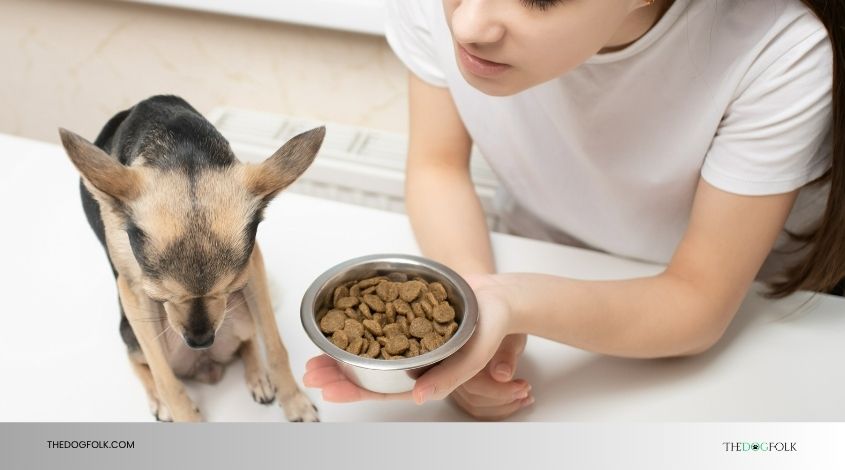
When your furry friend is feeling under the weather, it’s natural to want to do everything you can to help them feel better. You might find yourself searching for quick solutions and wondering if baby food could be a gentle option for your sick dog.
After all, it’s soft, easy to digest, and comes in a variety of flavors. But is it really safe? You’re not alone in asking this question. Many pet owners consider baby food as a potential remedy when their dogs refuse to eat.
Before you scoop up a spoonful, though, it’s important to understand the risks and benefits involved. You’ll discover the truth about feeding baby food to your sick dog, learn what ingredients to avoid, and find out how to make sure you're giving them the best care possible. Stay with us as we explore this topic, ensuring that you make informed choices that keep your beloved pet healthy and happy.
Feeding Baby Food To Dogs
Feeding your sick dog baby food can be a gentle option. Baby food is easy to digest and can help if your dog refuses regular meals. Always check the ingredients to ensure it's safe for dogs.
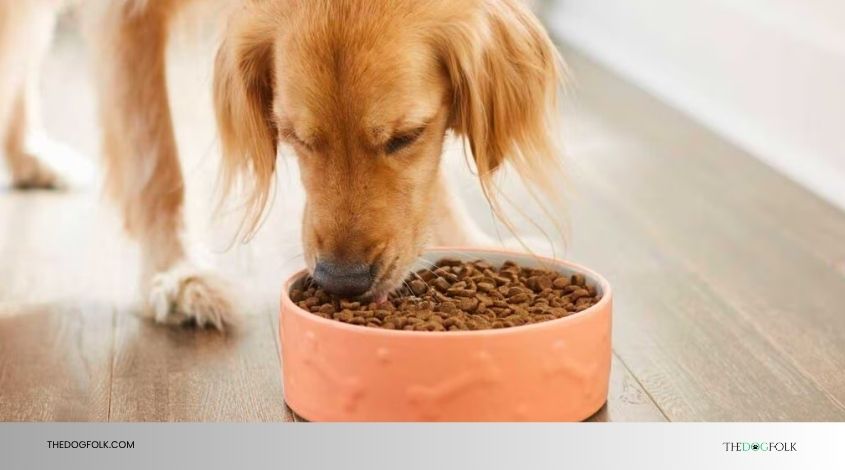
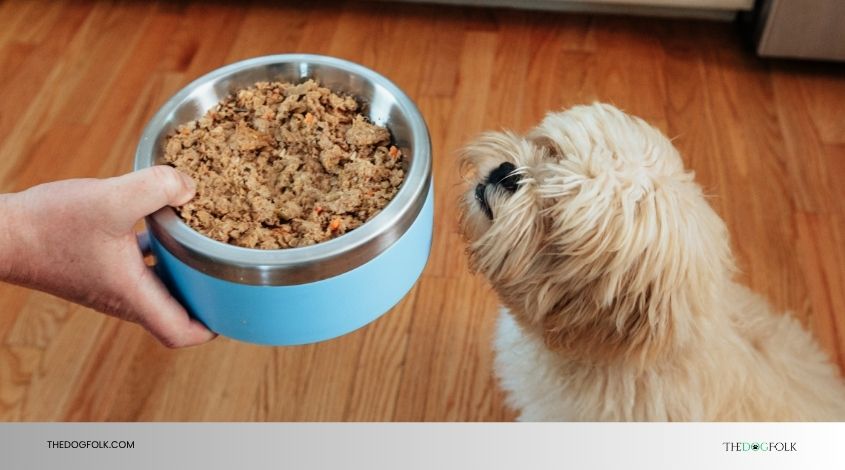
Feeding baby food to dogs might sound unusual, but it can be a lifesaver when your furry friend is under the weather. As a pet owner, you want to ensure your sick dog gets the nourishment they need, even when they're not eating their regular food. Baby food, often pureed and mild, can be a temporary solution. But how do you know if it's the right choice for your pup? Let’s explore this option further and see how it can fit into your dog's diet.
Is Baby Food Safe For Dogs?
Baby food, primarily those made from meats and vegetables, can be safe for dogs if given in moderation. Check the ingredient list first. Avoid those containing harmful ingredients like onion powder or excessive salt. When I had a sick dog, baby food was a go-to. It was easy for him to swallow and digest, which made feeding times less stressful. However, always consult your vet before making dietary changes, even temporary ones.
Choosing The Right Type Of Baby Food
Not all baby foods are created equal. Opt for simple, meat-based or vegetable-based options without additives. Chicken, beef, and turkey flavors are typically well-received by dogs. Look for labels that specify "100% natural" with no added sugars or preservatives. These are closer to what your dog would naturally eat. Would you eat something without checking the ingredients first? The same goes for your pet.
How Much Baby Food Should You Give?
Portion control is crucial. Start with small amounts to see how your dog reacts. A tablespoon or two is usually sufficient per serving. Monitor your dog’s weight and energy levels. If they seem lethargic or lose weight, adjust the quantity. You’re the best judge of your pet’s needs, but don't hesitate to seek veterinary advice.
Signs Baby Food Is Helping Your Dog
Notice if your dog regains interest in eating or seems more energetic. These are positive signs. Improved bowel movements and decreased vomiting are also indicators that the baby food is working. However, if you notice negative reactions, such as diarrhea or continued lack of appetite, stop feeding baby food immediately. Your dog’s health should always come first, and professional advice is invaluable in these cases. Feeding baby food to a sick dog can be a practical solution, but it should be approached with caution and care. Always prioritize your pet’s well-being and comfort above convenience. After all, wouldn't you do anything to see your furry friend happy and healthy again?

Credit: www.wilsonspetfood.co.uk
Ingredients To Consider
Choosing suitable ingredients for a sick dog is crucial. Baby food can be an option, but check for onions, garlic, and excessive sugar, which can be harmful. Always consult a vet before making dietary changes.
If your dog is feeling under the weather, you might consider baby food as a gentle option to soothe their stomach. However, not all baby foods are suitable for dogs. It's essential to check the ingredients before serving them to your furry friend. This ensures that you're not inadvertently causing harm when trying to help.
Check For Harmful Ingredients
You might be surprised to find that some common ingredients in baby food are toxic to dogs. For instance, onions and garlic should be avoided as they can cause serious health issues. Also, excessive salt is a no-go; it can lead to dehydration and kidney problems. Always scan the label and steer clear of these harmful components.
Opt For Simple, Natural Ingredients
Choose baby foods that contain simple, natural ingredients. Plain chicken, turkey, or beef are generally safe bets. Avoid artificial flavors and preservatives, as they can irritate your dog's sensitive stomach. If you're unsure about a particular ingredient, research or consult your vet.
Consider Your Dog's Allergies
Just like humans, dogs can have allergies. If your dog is allergic to certain foods, it's crucial to ensure the baby food doesn't contain those allergens. For example, some dogs may be allergic to certain grains or proteins. Knowing your dog's allergies can help you make informed choices.
Look For Nutritional Balance
While baby food can be a temporary solution, it's important to think about nutritional balance. Dogs need proteins, fats, and carbohydrates in specific ratios to stay healthy. Check if the baby food provides a balanced meal or if you'll need to supplement it with other foods. Choosing the right baby food can make a big difference in your dog's recovery. What ingredients will you prioritize to ensure your dog's health and happiness?
Alternative Nutrition Options
Feeding baby food to a sick dog can be a temporary solution. Ensure the ingredients are dog-safe, avoiding onions and garlic. Always consult a veterinarian for proper guidance on your pet's diet.
Alternative nutrition options for your sick dog can be a game changer when traditional feeding methods aren't working. If your furry friend is refusing their usual food or needs a gentle diet during recovery, you might wonder if baby food is a suitable choice. Before you make a decision, consider a range of alternatives that can provide the necessary nutrients without upsetting their sensitive stomach.
Homemade Broth
Preparing a simple homemade broth can be a soothing option. Boil chicken or beef bones and let it simmer for hours. Strain the broth to remove bones and fat. This liquid gold can hydrate your dog while offering essential nutrients. Have you ever noticed how a warm broth comforts you on a chilly day? Imagine the same warmth for your dog, especially when they're feeling under the weather.
Plain Rice And Boiled Chicken
Rice and boiled chicken is a classic combination for dogs with upset stomachs. Cook plain rice and add boiled chicken pieces. Ensure the chicken is unseasoned and skinless. This bland diet is easy to digest and can help stabilize your dog's tummy. Have you tried this meal yourself when feeling queasy? It’s often recommended for humans and can be equally effective for our canine companions.
Pumpkin Puree
Pumpkin puree is rich in fiber and can help regulate digestion. It's particularly useful if your dog is experiencing diarrhea. Serve small amounts mixed with their regular food or on its own. Have you ever wondered why pumpkin is a popular ingredient in dog treats? Its nutritional benefits make it a staple for maintaining a healthy digestive tract.
Oatmeal
Plain oatmeal can be a gentle food choice. Cook it without sugar or milk and let it cool before serving. This can provide your dog with energy and is easy on their stomach. Have you thought about how oatmeal is often recommended for people with digestive issues? Its soothing properties can be beneficial for dogs, too.
Consideration Of Baby Food
Baby food can be an option, but proceed with caution. Choose varieties free of onions, garlic, and other harmful ingredients. It's essential to read labels carefully. Have you ever noticed how baby food is designed for sensitive systems? While it can be gentle, ensure it’s safe for your dog by checking ingredient lists and consulting your vet.
What do you feed your dog when they're sick? It's crucial to be aware of their dietary needs during illness. Your decision can make a significant difference in their recovery process.

Credit: www.rover.com

Credit: www.prwe.com
Frequently Asked Questions
Is Baby Food Safe For Sick Dogs?
Baby food can be safe for sick dogs. Choose plain varieties without harmful ingredients like onion or garlic.
How Often Can I Feed Baby Food To My Dog?
Feed baby food occasionally. Not a regular diet. Consult your vet for the best feeding schedule.
What Types Of Baby Food Are Good For Dogs?
Simple, meat-based baby foods. Avoid those with seasonings or additives. Check labels for dog-safe ingredients.
Can Baby Food Replace Dog Food For A Sick Dog?
No, it shouldn’t replace dog food long-term. Baby food is a temporary solution for sick dogs.
Are There Risks In Feeding Baby Food To Dogs?
Yes, some baby foods have toxic ingredients for dogs. Always check labels and consult your vet first.
Conclusion
Feeding baby food to sick dogs can be helpful. It provides gentle nutrition. Ensure the food is safe and suitable for dogs. Check ingredients carefully. Avoid foods with harmful additives. Consult your vet for advice and recommendations. Every dog has different needs.
Baby food might help, but it’s not always the answer. Monitor your dog’s health closely. Look for improvements or any signs of distress. Your pet’s health is a priority. Keep them comfortable and nourished. Always prioritize their well-being. With proper care, your dog can recover swiftly.