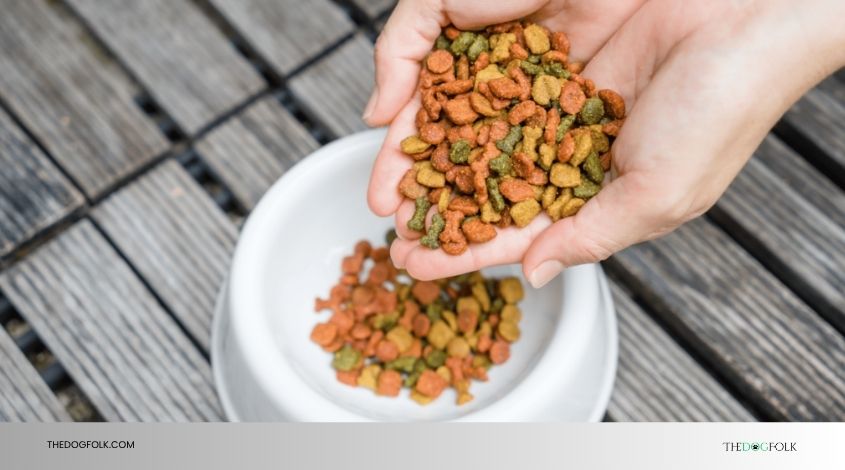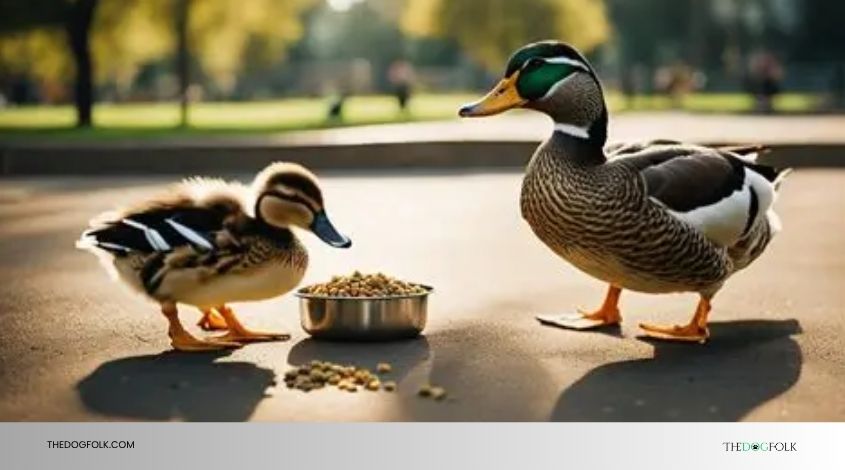
Have you ever found yourself at the park, surrounded by charming ducks, and wondered what you could offer them as a snack? If you have a bag of dog food at home, you might think about sharing it with these feathered friends.
But before you toss a handful into the water, ask yourself: is it really a good idea? Feeding ducks can be a delightful experience, but it's crucial to know what’s safe for them. You wouldn't want to accidentally harm the very creatures you're trying to help.
We'll dive into whether dog food is suitable for ducks and explore the potential impacts it could have on their health. Understanding the right way to feed ducks can make your interactions with them more enjoyable, and ensure their safety and well-being. Keep reading to make sure you're making the best choice for our quacking companions.
Risks Of Feeding Ducks Dog Food
Feeding ducks dog food can pose health risks. It lacks essential nutrients that ducks need for growth. High protein content might harm their kidneys and liver, leading to long-term health issues.
Feeding ducks dog food might seem like a convenient idea, especially if you have extra kibble lying around. However, this practice can pose several risks to the ducks’ health and well-being. Understanding these risks is crucial to ensure you're not inadvertently harming these delightful creatures during your visit to the park or local pond.
Potential Health Issues
Ducks have specific dietary needs that differ from those of dogs. Dog food is rich in protein and fats, which can be challenging for a duck's digestive system. Excessive protein can lead to kidney damage or other health issues in ducks. You might be surprised to learn that such a simple act could have serious consequences.
Digestive Problems
Ducks are used to eating grains, seeds, and aquatic plants. Dog food can be too hard and dry for their digestive system. This might cause blockages or make it difficult for ducks to process their food efficiently. Imagine trying to eat something your body isn't designed to handle—it's uncomfortable and potentially dangerous.
Nutritional Imbalance
Feeding ducks dog food can lead to nutritional imbalances. Ducks need a mix of carbohydrates, fiber, and essential nutrients that dog food doesn’t provide. Your intentions might be good, but without the right nutrients, ducks can become malnourished. Would you want to eat the same meal every day if it lacked the essential vitamins and minerals your body needs?
Environmental Impact
Dog food leftovers can attract pests like rats and insects. This not only affects the duck’s habitat but can also lead to increased disease transmission. Have you ever noticed how quickly unwanted guests appear when food isn’t suitable for the environment? It’s a domino effect that can damage the delicate ecosystem ducks rely on.
Behavioral Changes
Ducks accustomed to dog food might become aggressive or dependent on humans for feeding. This dependency can alter their natural foraging behavior and make them less likely to search for appropriate food sources. You wouldn’t want to encourage behavior that makes ducks less self-sufficient, right? Understanding these risks can help you make informed choices that benefit both the ducks and their environment. Next time you’re tempted to share dog food, consider the implications and opt for a healthier alternative like birdseed or grains. Your thoughtful actions can make a significant difference in preserving the health and happiness of these charming creatures.

Credit: www.murdochs.com
Nutritional Needs Of Ducks
Ducks require specific nutrients to thrive. Dog food lacks essential elements needed for their health. Feeding ducks dog food may lead to nutritional deficiencies.
Feeding ducks dog food might sound like a convenient option, but understanding their nutritional needs is crucial. Ducks are unique creatures with specific dietary requirements that ensure their health and vitality. While it might seem simple to offer them what's handy, knowing what truly nourishes them is key to their well-being. Let's dive into what ducks actually need to thrive.
Understanding Duck Nutrition
Ducks require a balanced diet rich in proteins, vitamins, and minerals. Proteins are vital for growth and feather development. Unlike dogs, ducks also need higher levels of calcium to support egg production. Feeding them dog food, which lacks sufficient calcium, might not be the best idea. Would you eat something that doesn't meet your nutritional needs just because it's available?
Importance Of Protein
Protein helps ducks grow strong and maintain healthy feathers. Ducklings, especially, need protein for growth. Dog food might contain protein, but is it the right type and amount for ducks? Consider offering them foods specifically designed for their dietary needs. You wouldn't want them to miss out on essential nutrients, right?
Calcium For Egg-laying Ducks
If your ducks are laying eggs, they need extra calcium. This mineral strengthens eggshells and aids in bone health. Dog food lacks adequate calcium levels for ducks. You might want to supplement with oyster shells or layer feed to ensure they get enough. Are your ducks getting the calcium they need?
Vitamins And Minerals
Vitamins and minerals are vital for a duck's immune system and energy. Ducks benefit from vitamin-rich greens and grains. Dog food isn't formulated with ducks in mind, often missing essential nutrients. Would you consider adding leafy greens or grains to their diet?
Risks Of Feeding Dog Food
Feeding ducks dog food can lead to nutritional imbalances. It might be convenient, but what's the cost to their health? Ducks can suffer from deficiencies, affecting their growth and overall well-being. Are you willing to risk their health for convenience?
Practical Feeding Tips
To ensure your ducks stay healthy, offer them a variety of foods. Pellets designed for ducks provide balanced nutrition. You can also include corn, peas, and lettuce. Mixing up their diet keeps it interesting and nutritious. Have you tried offering them different food types? Understanding the nutritional needs of ducks is essential for their health. While dog food might seem tempting, it's crucial to prioritize their specific dietary requirements. After all, you want your ducks to be happy and healthy, don't you?
Safe Alternatives For Duck Feeding
Feeding ducks can be a delightful experience. Many wonder if dog food is suitable. It's important to know what ducks can eat safely. Instead of dog food, try safe alternatives. Ducks need specific nutrients to stay healthy. Choose foods that provide these nutrients without harm.
Vegetables And Fruits
Ducks enjoy many vegetables and fruits. Cut them into small pieces. Lettuce, cucumbers, and peas are perfect choices. Apples and berries are also good treats. These foods are nutritious and easy to digest.
Grains And Seeds
Whole grains and seeds are excellent for ducks. Oats, barley, and corn are favorites. Sunflower seeds and birdseed mixes work well. These options are healthy and supply energy.
Specialized Duck Feed
Special duck feed is a safe choice. It's designed for their dietary needs. Available at pet stores, it ensures proper nutrition. This feed supports growth and wellbeing.
Insects And Worms
Ducks love insects and worms. They are a natural part of their diet. Mealworms and crickets are ideal options. These provide protein and are fun for ducks to catch.
Homemade Duck Treats
Homemade treats can be safe and enjoyable. Use grains and vegetables to create snacks. Ensure all ingredients are duck-friendly. These treats can be a fun way to feed them.

Credit: www.amazon.com
Credit: www.acana.com
Frequently Asked Questions
Can Ducks Eat Dog Food Safely?
Ducks can nibble on dog food occasionally. It's not ideal for regular meals.
What Nutrients Do Ducks Need?
Ducks need grains, greens, and proteins. Dog food lacks essential nutrients.
Is Dog Food Harmful To Ducks?
Dog food isn't toxic but lacks needed nutrients. Unbalanced diet risk.
Can Dog Food Cause Health Issues In Ducks?
Yes, regularly feeding can lead to nutritional deficiencies. Balance their diet.
What Alternative Foods Are Safe For Ducks?
Feed ducks grains, seeds, vegetables, and fruits. These provide needed nutrients.
Conclusion
Feeding ducks dog food isn't ideal. Their dietary needs differ. Ducks thrive on grains, seeds, and veggies. Dog food might lack essential nutrients for ducks. It could also harm their health. Opt for duck feed or natural foods instead. This choice supports their well-being.
Remember, healthy ducks lead to a balanced ecosystem. Enjoy watching them thrive with proper care. Always prioritize their natural diet. Your kindness makes a difference in their lives. Keep nature flourishing by feeding responsibly. Your efforts matter.