Are you wondering if your dog can join you at the dinner table for a little taste of your meal? You're not alone.
Many pet owners often find themselves tempted to share their delicious food with their furry friends. But before you slide that morsel under the table, it's crucial to know what’s safe and what’s not. Your dog's health and happiness depend on the choices you make.
By understanding the dos and don'ts of feeding table food, you can ensure a wagging tail and a happy bark. Stick around to discover the secrets to keeping your pup healthy, satisfied, and out of harm’s way.
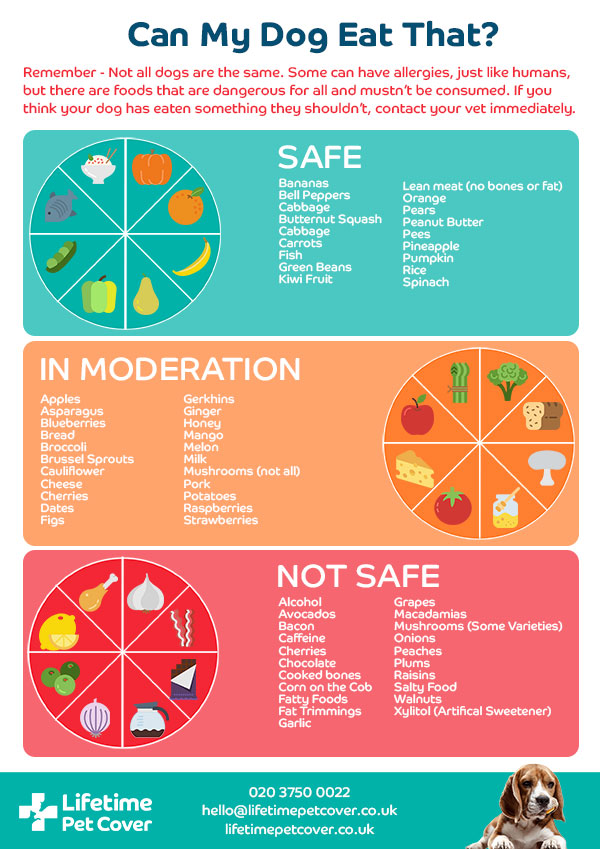
Credit: greensafaris.com
Benefits Of Feeding Dogs Table Food
Feeding dogs table food can offer some surprising benefits. It's not just about taste. Table food can provide nutritional value. It can also enhance your dog's meal experience. But, it's important to understand the benefits fully. This will ensure your dog stays healthy and happy.
1. Enhanced Nutrition
Table food can provide essential vitamins and minerals. Fresh fruits and vegetables are rich in nutrients. These can boost your dog's health. Lean meats offer protein, crucial for muscle strength. Always ensure foods are safe for dogs.
2. Improved Digestion
Some table foods can aid digestion. Foods like pumpkin and sweet potatoes have fiber. Fiber helps with bowel movements. It can prevent constipation. Avoid foods that cause digestive issues.
3. Increased Meal Variety
Table food can add variety to meals. Dogs may get bored with the same food. New flavors and textures excite them. This can increase their appetite. Ensure the food is healthy and balanced.
4. Bonding Experience
Sharing food strengthens your bond. Dogs feel more connected. They enjoy sharing meals with family. It creates positive associations with mealtime. Always set boundaries to avoid begging.
5. Cost-Effective Feeding
Using leftovers can save money. You reduce food waste. It's a budget-friendly way to feed your dog. Just make sure the food is safe. Avoid foods harmful to dogs.
Risks And Drawbacks
Feeding dogs table food may lead to health issues like obesity and digestive problems. Certain human foods can be toxic, causing serious harm. Dogs need specific nutrients, often missing in human food, to maintain their health.
Feeding your dog table food might seem harmless, but it comes with a host of risks and drawbacks that can affect your furry friend's health. It's crucial to understand these potential dangers to make informed decisions about your dog's diet. You might love sharing a bit of your dinner with your pet, but could this friendly gesture lead to unintended consequences? Let's explore some of the risks involved.
1. Nutritional Imbalance
Dogs have different nutritional needs compared to humans. Table food may not provide the essential vitamins and minerals your dog requires. Your meals might be delicious, but they're often not designed to support canine health. A diet lacking in the right nutrients can lead to deficiencies, affecting your dog's energy levels, coat quality, and overall well-being.
2. Toxic Ingredients
Some common human foods are toxic to dogs. Foods like chocolate, onions, and grapes can cause serious health issues. You may have experienced your dog eagerly sniffing around during dinner, but beware—these foods can lead to vomiting, diarrhea, or even more severe health problems. It's a risk that's simply not worth taking.
3. Obesity Concerns
Table food tends to be high in calories and fat. If you're not careful, occasional treats can contribute to weight gain and obesity. You might think sharing a bite won't hurt, but those extra calories add up quickly. Obesity in dogs can lead to joint issues, heart problems, and a shorter lifespan.
4. Digestive Upsets
Dogs have sensitive stomachs that can react negatively to unfamiliar foods. Feeding your dog table food can lead to digestive issues like gas, diarrhea, or constipation. Have you ever noticed your dog having tummy troubles after sneaking a bite? This discomfort can be avoided by sticking to dog-friendly foods.
5. Behavioral Changes
Feeding table food can alter your dog's behavior. Your dog might start begging at the table or refuse to eat their regular kibble. You may have noticed these behaviors creeping in after sharing meals. This can lead to frustration and make meal times challenging for both you and your pet. Consider these risks when deciding whether to share your meals. Is it worth compromising your dog's health for a moment of shared pleasure? Always prioritize your pet's well-being and consult with a vet for the best dietary practices. It's better to provide a balanced diet specifically designed for dogs, ensuring they live a happy, healthy life.
Safe Options And Guidelines
Feeding your dog table food can be both rewarding and tricky. It's essential to know which foods are safe. This ensures your furry friend stays healthy. Not all human foods are suitable for dogs. Some can lead to health issues. Let's explore safe options and guidelines.
Safe Fruits And Vegetables
Fruits and veggies can be a healthy addition. Apples and carrots are great choices. They offer vitamins and fiber. Avoid grapes and onions. These can be harmful to dogs. Always wash fruits and vegetables thoroughly. Remove seeds and pits to prevent choking.
Lean Meats And Proteins
Cooked chicken or turkey are safe for dogs. These meats are high in protein. Avoid seasoning or sauces. These can upset your dog's stomach. Fish like salmon can be beneficial. Ensure it's cooked and bone-free. Raw meat carries risks, so stick to cooked options.
Dairy And Grains
Some dogs tolerate dairy well. A small amount of plain yogurt is okay. Watch for signs of lactose intolerance. Rice and oats are safe grains. They can aid digestion. Avoid bread with garlic or raisins. These ingredients are toxic to dogs.
Portion Control
Keep portions small. Large amounts of table food can lead to obesity. Treats should make up less than 10% of daily intake. Monitor your dog's weight and adjust portions accordingly. Too much table food can disrupt balanced nutrition.
Consulting With A Veterinarian
Always seek advice from a vet. They can guide safe feeding practices. Every dog is different. What works for one may not work for another. Your vet can help tailor a diet plan. This ensures your dog gets all necessary nutrients.
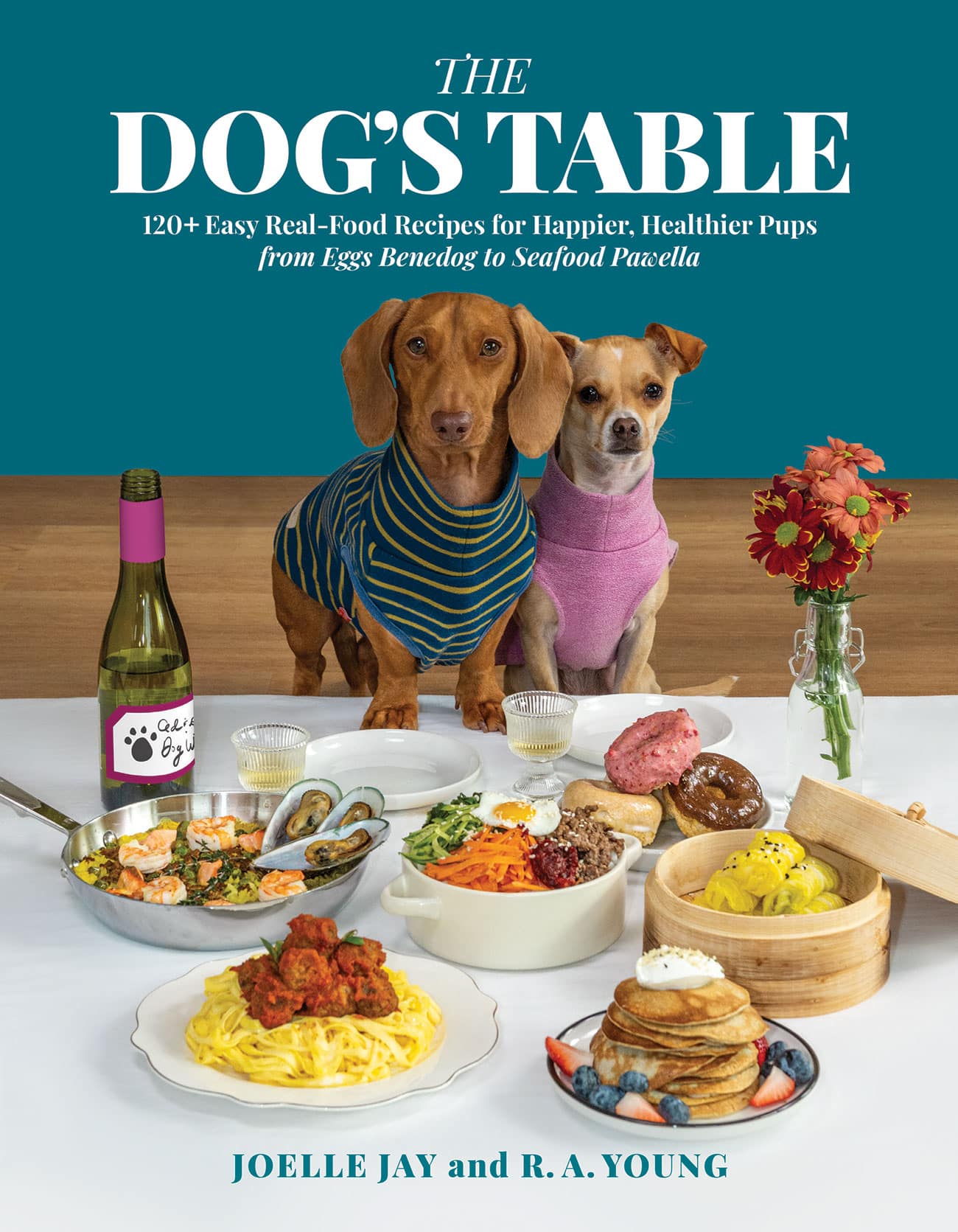
Credit: greensafaris.com
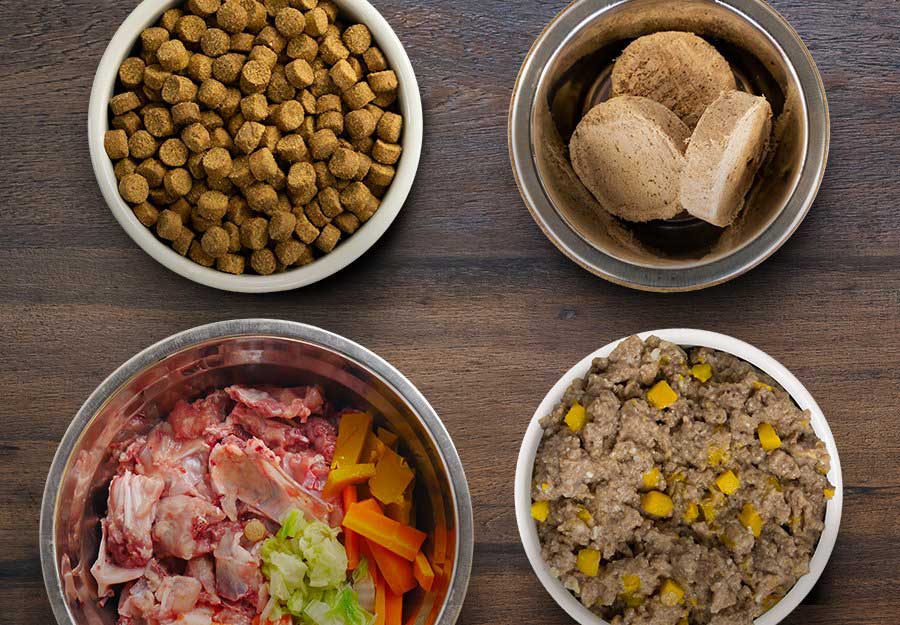
Credit: blog.homesalive.ca
Frequently Asked Questions
Is Table Food Safe For Dogs?
Not all table food is safe. Some can harm dogs. Avoid chocolate, onions, grapes, and spicy foods.
What Table Foods Are Good For Dogs?
Cooked meats, plain rice, and certain vegetables are safe. Always ensure foods are free from harmful seasonings.
Can Table Food Cause Health Issues In Dogs?
Yes, some foods can lead to obesity or digestive issues. Stick to dog-friendly options and moderate portions.
Should I Replace Dog Food With Table Food?
No, dog food is balanced for their needs. Table food should only be an occasional treat.
How To Introduce Table Food To Dogs?
Start with small portions. Monitor for allergies or digestive reactions. Consult your vet for advice.
Conclusion
Feeding dogs table food can be tempting. Yet, it's not always safe. Some foods harm dogs' health. Chocolate, grapes, and onions are toxic. Fatty foods cause weight gain. Stick to dog-friendly foods. Carrots and apples are safe treats. Always check with a vet first.
Balanced dog food meets their nutritional needs. Keep your dog healthy and happy. Choose wisely. A healthy dog is a happy companion. Remember, their well-being is in your hands.