Imagine this scenario: you're enjoying a relaxing day with your beloved furry friend, who is happily vaccinated against rabies. Then, out of nowhere, a thought strikes you—can you still get rabies from your vaccinated dog?
It's a question that might catch you off guard, but it's vital to know the facts. Your curiosity is not unfounded. Understanding the intricacies of rabies transmission can protect you and your pet, ensuring peace of mind. We'll unravel the mystery surrounding rabies and vaccinated dogs.
We'll delve into scientific insights and straightforward explanations to answer your burning question. So, if you're eager to discover the truth and safeguard your family, keep reading. Your peace of mind is just a few scrolls away.

Credit: www.travel-doc.com
Rabies Transmission Basics
Rabies is a viral disease affecting the nervous system. Its transmission primarily occurs through the saliva of infected animals. Understanding how rabies spreads is crucial for preventing it. This section covers the basics of rabies transmission, focusing on vaccinated dogs.
Understanding Rabies Virus
The rabies virus is present in the saliva of infected animals. Bites or scratches can transfer the virus to humans. Vaccinated dogs are less likely to carry the virus, reducing transmission risk.
Importance Of Vaccination
Vaccination is key in preventing rabies. It creates antibodies that fight the virus. Vaccinated dogs provide a barrier against the disease, keeping it at bay.
Can Vaccinated Dogs Transmit Rabies?
Vaccinated dogs have a very low chance of transmitting rabies. Their immune system fights off the virus effectively. Regular check-ups ensure the vaccine is working properly.
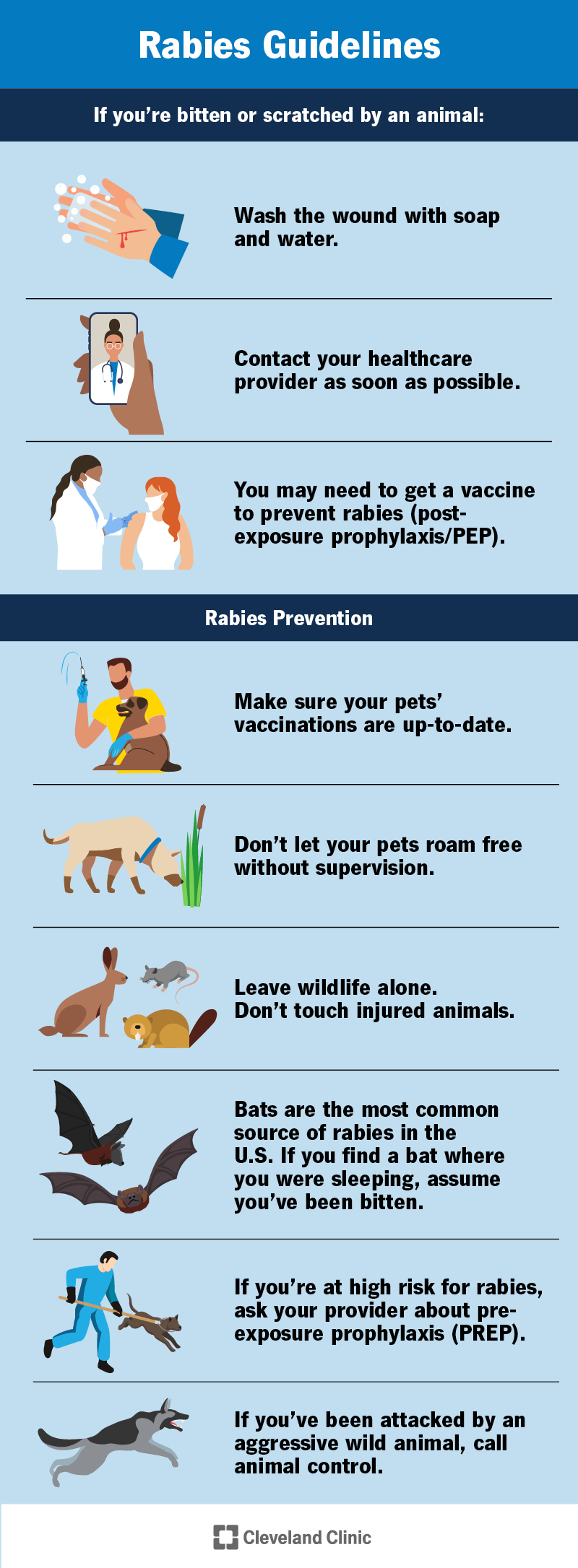
Even if a dog is vaccinated, caution is necessary. Avoid contact with stray animals. Wash any bites or scratches with soap and water immediately. Consult a doctor for further advice.
Credit: my.clevelandclinic.org
Effectiveness Of Dog Vaccinations
Dog vaccinations play a crucial role in preventing the spread of rabies. They safeguard pets and humans by building immunity. Vaccinated dogs develop resistance to rabies, reducing transmission risks. Understanding the effectiveness of these vaccines helps ease concerns about rabies exposure.
How Vaccines Work In Dogs
Vaccines introduce a harmless part of the virus to a dog's body. The immune system then learns to fight it. This process helps dogs become resistant to rabies. Vaccination significantly lowers the risk of them contracting the disease.
Success Rate Of Rabies Vaccination
Rabies vaccines boast a high success rate. Most vaccinated dogs build strong immunity. This protection is crucial for public safety. Regular booster shots ensure ongoing protection. Adhering to vaccination schedules is essential for effectiveness.
Can Vaccinated Dogs Still Carry Rabies?
Vaccinated dogs rarely carry rabies. The vaccine reduces this risk significantly. Cases of vaccinated dogs transmitting rabies are extremely rare. Their immune systems effectively combat the virus. This makes them safe companions for humans.
Importance Of Regular Vet Check-ups
Routine vet visits maintain a dog's health. They ensure vaccines are up to date. Regular check-ups help detect any health issues early. Vets can advise on necessary vaccinations. This keeps both pets and owners safe from rabies.
Safety Measures And Precautions
Rabies is a serious concern for pet owners. Even vaccinated dogs need attention. Ensuring safety around animals is crucial. Understanding how to prevent rabies transmission helps. There are several measures to take. These precautions are simple yet effective. They protect both humans and pets.
Vaccination Verification
Ensure your dog's vaccination is up to date. Check records regularly. Confirm rabies shots with your vet. Updated vaccines boost protection. A vaccinated dog poses less risk.
Regular Vet Visits
Schedule regular check-ups for your dog. Vets can spot issues early. They ensure your pet's health remains optimal. Discuss any concerns with them. Your vet is a valuable resource.
Monitoring Behavior
Watch for unusual behavior in your dog. Aggression or confusion are warning signs. These may indicate health problems. Report changes to your vet promptly. Early action prevents complications.
Safe Interaction Practices
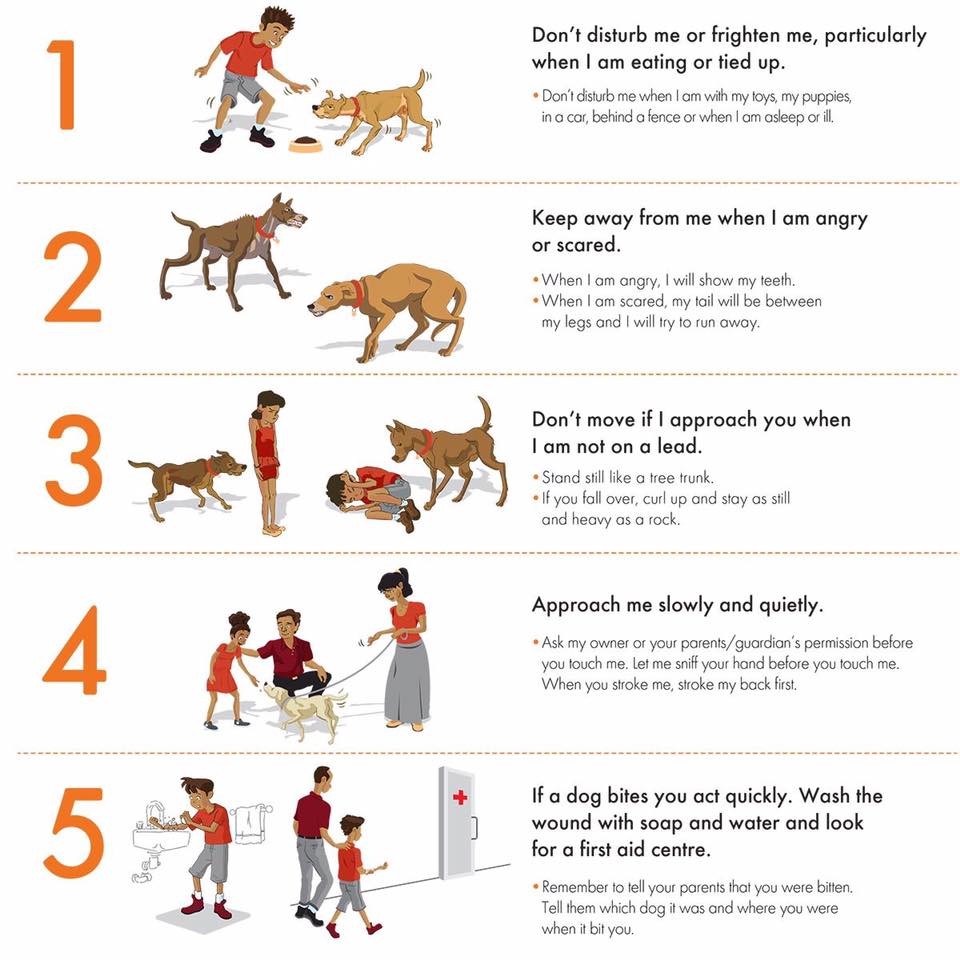
Teach children to be gentle with pets. Supervise their interactions closely. Avoid provoking or teasing dogs. Respect your pet's space and moods. Safe practices reduce bite risks.
Community Awareness
Join local pet safety programs. Stay informed about rabies in your area. Share knowledge with neighbors. Community efforts enhance safety. Together, we can prevent rabies spread.
Credit: www.facebook.com
Frequently Asked Questions
Can Rabies Spread From Vaccinated Dogs?
Rabies is rare in vaccinated dogs. Vaccination reduces transmission risk to humans. Still, monitor any dog bite.
Do Vaccinated Dogs Need Rabies Boosters?
Yes, regular rabies boosters are essential. They ensure ongoing immunity and protection against the virus.
What Are Rabies Symptoms In Humans?
Fever, headache, confusion, and paralysis. Immediate medical attention is crucial after suspected exposure.
How Can I Prevent Rabies Exposure?
Vaccinate pets regularly. Avoid contact with stray animals. Seek medical advice after any animal bite.
Can Rabies Vaccine Fail In Dogs?
Rarely, but possible. Immune response varies. Always check vaccination records and consult a vet for advice.
Conclusion
Rabies transmission from a vaccinated dog is very unlikely. Vaccination greatly reduces risk. Always ensure your pet's vaccinations are up to date. Rabies is a serious disease, so precautions matter. Consult a vet for any doubts. Regular check-ups keep pets healthy and safe.
Understanding rabies helps in keeping the family protected. Remember, a vaccinated dog is a safer pet. Stay informed and proactive about pet health. Your awareness protects both pets and people.