Have you ever wondered whether your vaccinated dog can still get rabies? It's a question that might have crossed your mind, especially if you're a loving pet owner who wants nothing but the best for your furry friend.
Rabies is a serious disease, and understanding how vaccines work can be crucial for your dog's health and your peace of mind. Imagine the relief of knowing your pet is truly protected. You'll discover the truth about rabies vaccines, how they safeguard your dog, and what you should watch out for.
Get ready to dive into the facts that might surprise you and ensure your beloved pet remains safe and healthy. Don't miss out on this essential information!
Rabies Vaccination And Immunity
Vaccinated dogs are less likely to get rabies, but no vaccine is 100% effective. Proper vaccination reduces risk significantly. Regular boosters ensure optimal protection against rabies.
Rabies is a terrifying disease with potentially deadly consequences. However, thanks to vaccinations, we have powerful tools to protect our beloved canine companions. You might wonder, "Can a vaccinated dog get rabies?" Let's delve into the fascinating world of rabies vaccination and immunity to find out.
Understanding Rabies Vaccination
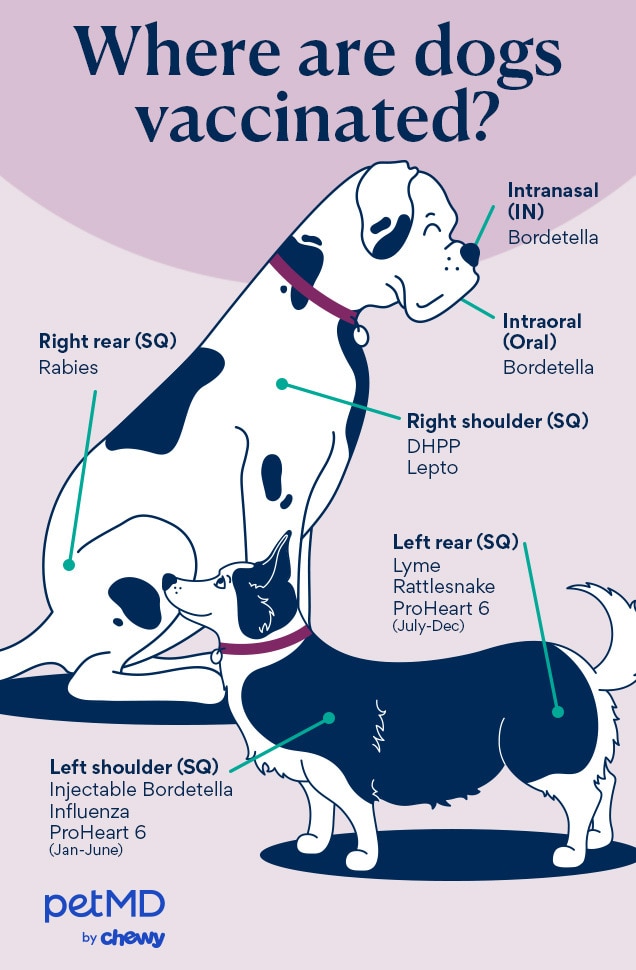
Rabies vaccination is a critical preventive measure for dogs. It works by introducing a small, harmless piece of the rabies virus into the dog's immune system, prompting it to build defenses against the real virus. Every state has its own laws regarding rabies vaccinations for pets. It's essential to know what your local regulations require for keeping your pet safe and legally compliant.
Building Immunity: How Does It Work?
Once vaccinated, your dog develops antibodies specifically designed to combat rabies. These antibodies are like tiny soldiers ready to defend against an invasion. The immune system is quite remarkable. Even after a single shot, it has the potential to remember the rabies virus for years. Yet, regular boosters ensure that your dog's immunity stays sharp and ready.
Can Vaccination Fail?
You might be surprised to learn that, in rare cases, a vaccinated dog can still contract rabies. Several factors can contribute to this, such as an improperly administered vaccine or a compromised immune system. Consider this: if your dog is ill or stressed during the vaccination, their immune response might not be as robust. Always consult your veterinarian to ensure your pet is in optimal health before vaccinations.
The Role Of Boosters
Vaccination isn't a one-time event. Boosters play a crucial role in maintaining your dog's immunity over time. Think of them as periodic reminders for the immune system to stay vigilant. Regularly scheduled boosters ensure that immunity remains strong. They're a simple yet effective way to keep your dog protected against rabies.
Why Trust The Rabies Vaccine?
Rabies vaccines have been proven effective over decades of use. Their success rate is incredibly high, providing peace of mind to countless pet owners. Ask yourself this: isn't it worth the small effort to get your dog vaccinated regularly, knowing you're safeguarding them against such a lethal disease?
Action Steps For Pet Owners
- Schedule Regular Vet Visits: Stay on top of your dog's health and vaccinations. - Monitor Health: Ensure your pet is in good health before vaccinations. - Educate Yourself: Know the laws and requirements in your area. - Keep Records: Maintain a log of vaccination dates and boosters for easy reference. Ultimately, rabies vaccination is a powerful tool in protecting your dog's health. By understanding how it works and taking proactive steps, you can ensure your furry friend stays safe and rabies-free. What steps will you take today to protect your pet?
Credit: www.petmd.com
Factors Influencing Vaccine Effectiveness
Vaccination plays a crucial role in preventing rabies in dogs. But the effectiveness of these vaccines can vary. Several factors contribute to how well a rabies vaccine works. Understanding these factors helps ensure your dog stays protected.
Dog’s Health And Age
A dog's health directly impacts the vaccine's effectiveness. Healthy dogs develop a stronger immune response. Younger dogs often respond better to vaccines. Older dogs may have weaker immune systems.
Vaccine Storage And Handling
Proper storage of vaccines is essential. If mishandled, the vaccine may lose its potency. Vaccines should be stored at recommended temperatures. Check expiry dates before administration.
Vaccination Schedule Adherence
Following the vaccination schedule is vital. Delayed or missed doses can reduce vaccine efficacy. Timely boosters ensure ongoing protection. Consult your vet for a tailored schedule.
Dog’s Breed And Genetics
Some breeds may have stronger immune responses. Genetics can influence vaccine effectiveness. Discuss breed-specific concerns with your vet. This helps in planning effective vaccination strategies.
Environmental Exposure And Risk Factors
Dogs in high-risk areas may need extra protection. Exposure to wildlife increases rabies risk. Monitoring the environment is key. Keep your dog away from potential rabies carriers.
Signs And Actions If Rabies Is Suspected
Rabies is a deadly disease affecting animals and humans. Even vaccinated dogs can show signs if exposed. Recognizing symptoms early is crucial. Immediate action can prevent serious outcomes.
Signs Of Rabies In Dogs
Behavior changes are common. A friendly dog may become aggressive. Shy dogs might act scared or confused. Excessive drooling is another sign. Watch for difficulty swallowing. Dogs may seem disoriented or restless.
Actions To Take If Rabies Is Suspected
Separate the dog from other animals. Avoid contact with saliva. Wear gloves if you must handle the dog. Contact a vet immediately. They can assess and advise further steps. Inform local health authorities. They may need to investigate exposure sources.
Preventing Rabies Spread
Keep other pets away from the suspected dog. Clean any contaminated areas. Use bleach and water solutions. Seek medical advice if bitten or scratched. Rabies treatment should start quickly. Vaccination is essential for pets at risk.

Credit: todaysveterinarypractice.com
:strip_icc()/how-long-are-rabies-shots-good-3385625_FINAL-b3b90b78675e4a9ca4102b405fecf74c.jpg)
Credit: www.thesprucepets.com
Frequently Asked Questions
Can A Vaccinated Dog Still Contract Rabies?
Yes, but it's rare. Vaccines are highly effective. They provide strong protection. Regular boosters are recommended for safety.
How Effective Is The Rabies Vaccine For Dogs?
Very effective. Most vaccinated dogs are protected. Rare exceptions exist. Always keep vaccinations up to date for full protection.
What Symptoms Indicate Rabies In A Dog?
Symptoms may include aggression, drooling, paralysis. Behavioral changes. Seek veterinary help immediately if suspected. Early diagnosis is crucial.
Is Rabies Fatal In Vaccinated Dogs?
Vaccinated dogs are usually protected. Fatal cases are extremely rare. Timely booster shots help maintain immunity levels.
How Often Should Dogs Receive Rabies Shots?
Typically every one to three years. Depends on the vaccine type. Follow your vet’s advice for optimal protection. Regular check-ups recommended.
Conclusion
Vaccinating your dog greatly reduces the risk of rabies. A vaccinated dog is much safer. But no vaccine guarantees 100% protection. Regular vet visits and booster shots are essential. Always monitor your dog's health closely. Stay informed about rabies risks in your area.
Keep your dog away from wild animals. Being cautious ensures your dog's safety. A little effort goes a long way. Protect your beloved pet with care. Always prioritize their health. Vaccination is a vital step in rabies prevention. Your dog's safety is in your hands.
Stay vigilant and proactive.