Imagine the peace of mind you feel when your dog is protected against rabies. You’ve done your part by ensuring they receive their rabies vaccine.
But then, a worrying thought crosses your mind: can a dog with a rabies vaccine still get rabies? This question might be lurking in the back of your mind, especially if your dog has had an unexpected encounter with a wild animal or if rabies cases have been reported nearby.
You're not alone in wondering about this. Your dog's safety is your top priority, and understanding the effectiveness of the rabies vaccine is crucial. This article will unravel the truth behind the vaccine's protection. You'll discover how it works, its limitations, and what you can do to ensure your furry friend remains safe. Keep reading to find out how you can have peace of mind knowing your dog is truly protected.
Credit: www.petmd.com
Rabies Vaccine And Its Effectiveness
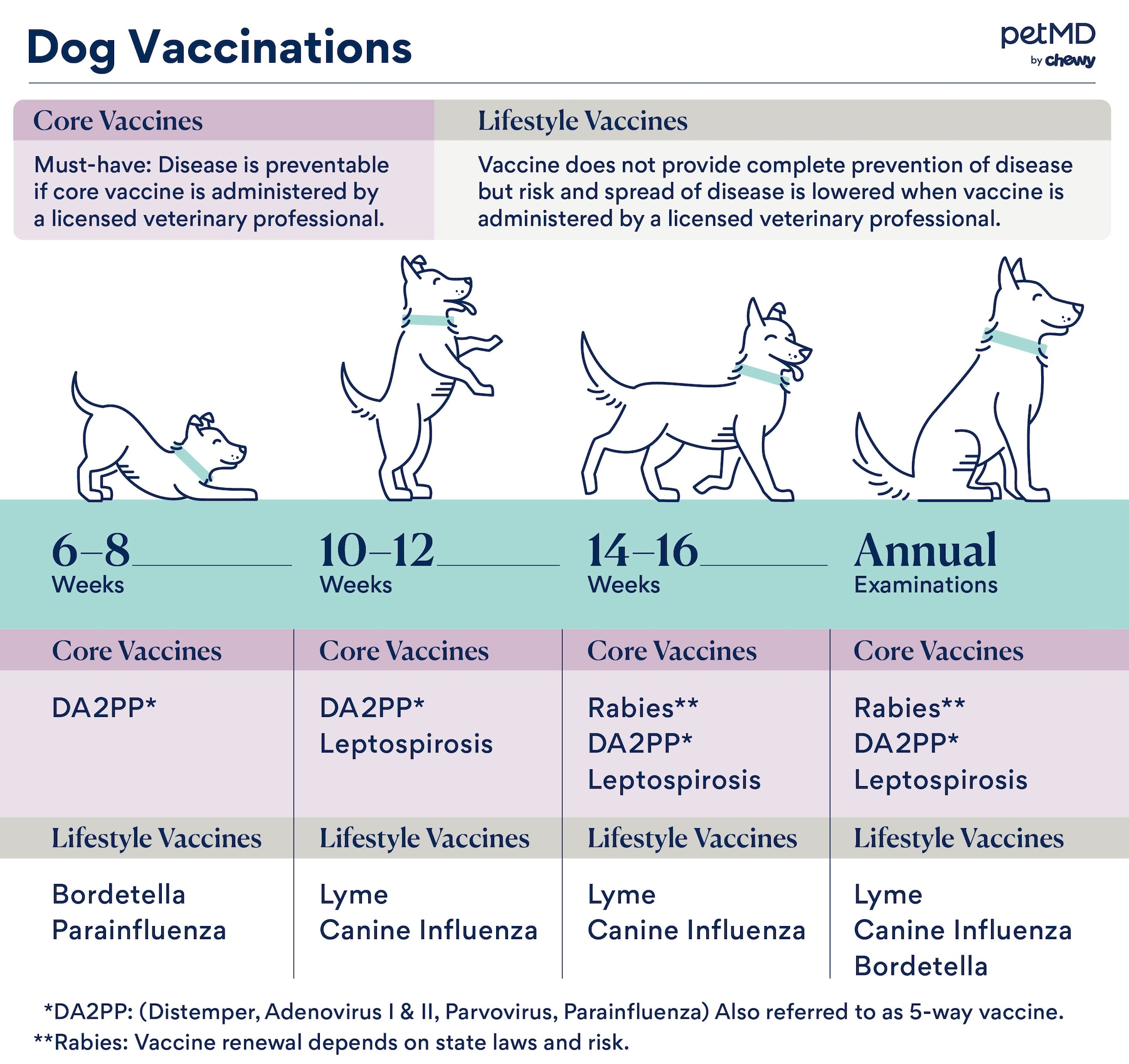
Dogs vaccinated against rabies have a strong defense against the virus. Rabies vaccines significantly reduce the risk of infection. While no vaccine provides 100% immunity, vaccinated dogs are much less likely to contract rabies.
The rabies vaccine is a crucial tool in preventing one of the most feared diseases that can affect our furry friends. Rabies is a deadly virus that can be transmitted from animals to humans, and the vaccine plays a vital role in controlling its spread. But how effective is this vaccine, and can a vaccinated dog still get rabies? Let's delve into these questions to clear up any confusion you might have.
How The Rabies Vaccine Works
The rabies vaccine is designed to stimulate your dog's immune system to recognize and fight off the rabies virus. Once administered, it teaches the body to respond quickly if exposed to the virus in the future. This training of the immune system is what makes vaccinations so powerful in disease prevention.
Effectiveness Of The Rabies Vaccine
The rabies vaccine is highly effective, and cases of vaccinated dogs contracting rabies are extremely rare. According to veterinary experts, the chances are less than 1% for a vaccinated dog to get rabies. This statistic is a testament to the vaccine's reliability.
Frequency Of Vaccination
Vaccination schedules can vary, but most dogs receive their first rabies shot at around 12 weeks of age. This is followed by a booster shot one year later. After that, your vet might recommend a booster every one to three years, depending on local laws and your dog's health.
Factors Affecting Vaccine Efficacy
Several factors can influence how well the vaccine works. If your dog is immunocompromised or if the vaccine was not stored or administered correctly, its effectiveness could be compromised. Always ensure vaccines are given by a qualified veterinarian.
Personal Experience: Peace Of Mind
Having a vaccinated dog offers peace of mind. I remember when my dog chased after a stray animal. Knowing she was up-to-date with her rabies vaccination, I felt reassured about her safety. It reinforced the importance of keeping her vaccinations current.
What If Your Dog Misses A Booster?
Missing a booster shot doesn't mean immediate risk, but it does increase vulnerability over time. If your dog misses a shot, consult your vet to schedule the next possible appointment. It's better to be a bit late than to skip it entirely.
Can A Vaccinated Dog Transmit Rabies?
If your dog is vaccinated, the likelihood of them contracting or spreading rabies is significantly reduced. However, it's important to maintain vaccinations as per schedule to ensure continuous protection.
Why Regular Vet Visits Are Important
Regular vet visits ensure your dog stays healthy and up-to-date with vaccinations. These check-ups are also an opportunity to discuss any concerns you might have about your dog's health. Your vet is your partner in keeping your pet safe and healthy.
Your Role In Rabies Prevention
As a responsible pet owner, ensuring your dog is vaccinated is the best way to protect them from rabies. It's not just about following the law; it's about safeguarding your pet and your community. Are you ready to take the necessary steps to protect your pet? By keeping your dog vaccinated, you're playing a crucial role in preventing the spread of rabies. Your actions not only protect your pet but also contribute to the safety of your community.
Factors Influencing Rabies Infection
Understanding the factors that influence rabies infection is crucial for every dog owner. You might think a rabies vaccine is a foolproof shield, but several factors can affect its effectiveness. Knowing these can help you make informed decisions for your pet's health and safety.
1. Vaccine Efficacy
Vaccines are not 100% effective, though they significantly reduce risk. Factors like storage conditions and expiration dates impact their potency. Ensure your dog's vaccine is up-to-date and properly stored to maximize protection.
2. Immune System Health
A healthy immune system strengthens the effectiveness of a rabies vaccine. Dogs with compromised immune systems may not respond well to vaccinations. Keep your dog healthy with regular vet visits and a balanced diet.
3. Geographical Location
The prevalence of rabies varies by region. If you live in an area with high rabies cases, your dog faces a higher risk. Research your local rabies statistics to stay informed about the risks in your area.
4. Exposure Risks
Dogs that frequently interact with wildlife or unvaccinated animals are at higher risk. Supervise your dog during walks and avoid areas known for wildlife activity. Have you ever considered how your dog's environment might expose them to rabies?
5. Human Error
Sometimes, mistakes happen, like missing a booster shot. Keep a record of your dog's vaccination schedule to prevent such errors. Double-check with your vet to ensure all vaccinations are current.
By understanding these factors, you can better protect your furry friend from rabies. Being proactive and informed is your best defense against this deadly disease. What steps will you take today to safeguard your dog’s health?
Preventive Measures For Rabies
Rabies is a deadly virus that affects dogs and humans alike. Vaccination is key to preventing rabies in dogs. It provides a protective shield against the virus. However, it's not the only measure owners should consider. Understanding the importance of various preventive measures ensures your dog's safety.
Regular Rabies Vaccination
Rabies vaccines are crucial for your dog's health. They are designed to build immunity against the rabies virus. Regular vaccination schedules must be followed strictly. Keep track of your dog’s vaccination dates. Consult your vet for the best vaccination plan.
Monitoring Your Dog’s Health
Keep an eye on your dog's health consistently. Early detection of symptoms can save lives. Look for changes in behavior or appetite. Regular vet check-ups are necessary. They help identify any health issues early.
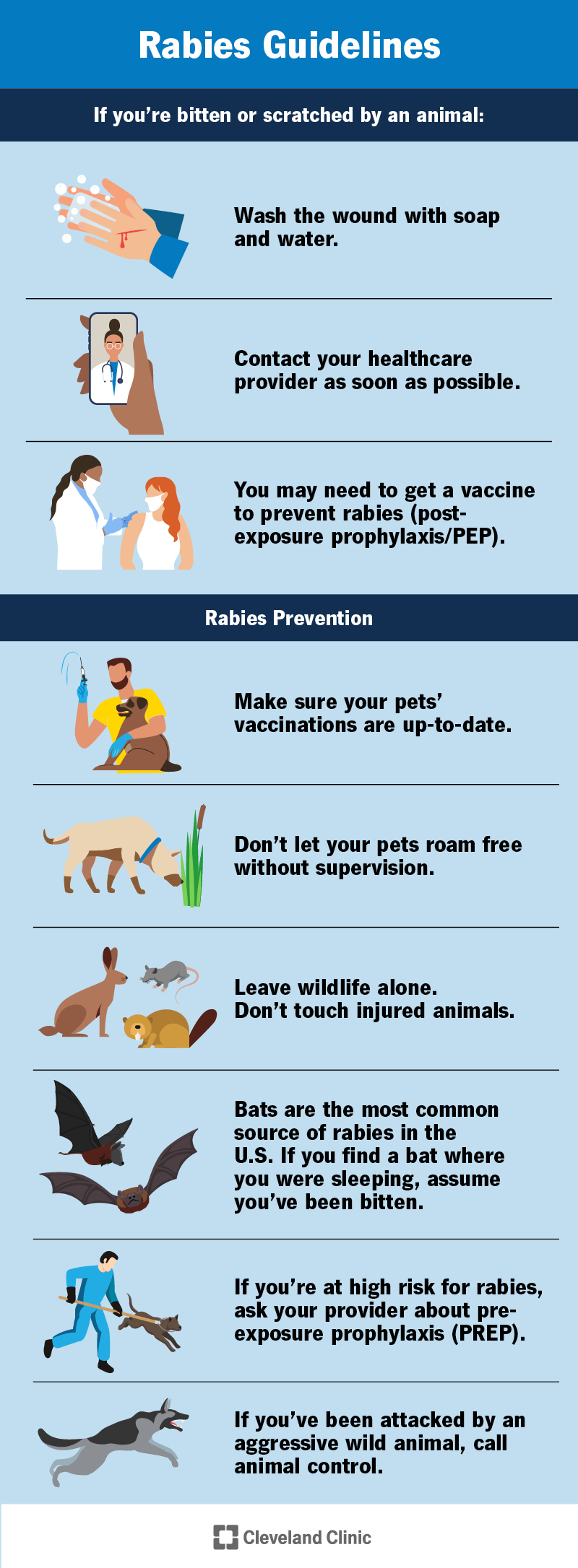
Avoiding Contact With Wild Animals
Wild animals can carry rabies. Limit your dog's interaction with them. Supervise your dog when outdoors. Teach your dog to avoid unknown animals. This reduces the risk of exposure to rabies.
Securing Your Living Space
Ensure your home is secure from wild animals. Install fences to block entry points. Regularly inspect your yard for signs of animal activity. Keeping wild animals out reduces rabies risk.
Educating Family And Friends
Inform family and friends about rabies risks. Share preventive tips with them. Encourage them to follow rabies safety measures. Collective awareness can prevent rabies exposure.
Credit: my.clevelandclinic.org
Credit: www.smalldoorvet.com
Frequently Asked Questions
Can Vaccinated Dogs Still Contract Rabies?
Rabies vaccines are highly effective. It's rare for vaccinated dogs to get rabies.
How Long Does Rabies Vaccine Protection Last?
Typically, rabies vaccines last one to three years. Check with your vet for exact duration.
Is Rabies Vaccine 100% Effective?
No vaccine is 100% effective. Rabies vaccine offers strong protection but isn't foolproof.
What Should I Do If My Dog Is Bitten?
Seek veterinary help immediately. Even vaccinated dogs need a check-up after a bite.
Can Rabies Symptoms Appear In Vaccinated Dogs?
It's uncommon. Vaccinated dogs usually don't show rabies symptoms. If concerned, consult a vet.
Conclusion
A rabies vaccine is essential for your dog's safety. Vaccinated dogs rarely contract rabies. The vaccine builds strong immunity. It's important to keep vaccinations up to date. Always consult your vet for advice. They can guide you on proper care.
Maintain regular vet check-ups. This ensures your dog stays healthy. A safe dog means a happy home. Rabies prevention is key for pet health. Simple steps protect your furry friend. Prioritize their well-being with timely vaccinations. Peace of mind comes with responsible pet care.
Keep loving your dog safely and securely.