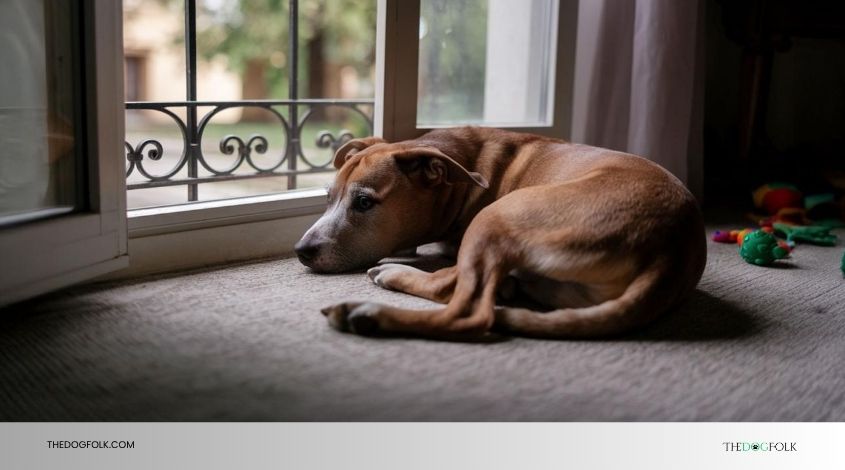
Have you ever wondered if your dog can feel deep sadness? You might have noticed changes in your furry friend's behavior, like a lack of energy or appetite.
These moments can be concerning and leave you questioning if dogs can suffer from depression, just like humans. Could this emotional state be so severe that it affects their health or even leads to death? Your dog's well-being is your priority, and understanding their emotional state is crucial.
We will uncover the truth behind canine depression and its potential impacts. Stay with us, as we delve into what signs to watch for and how you can support your beloved pet through tough times.
Credit: www.volharddognutrition.com
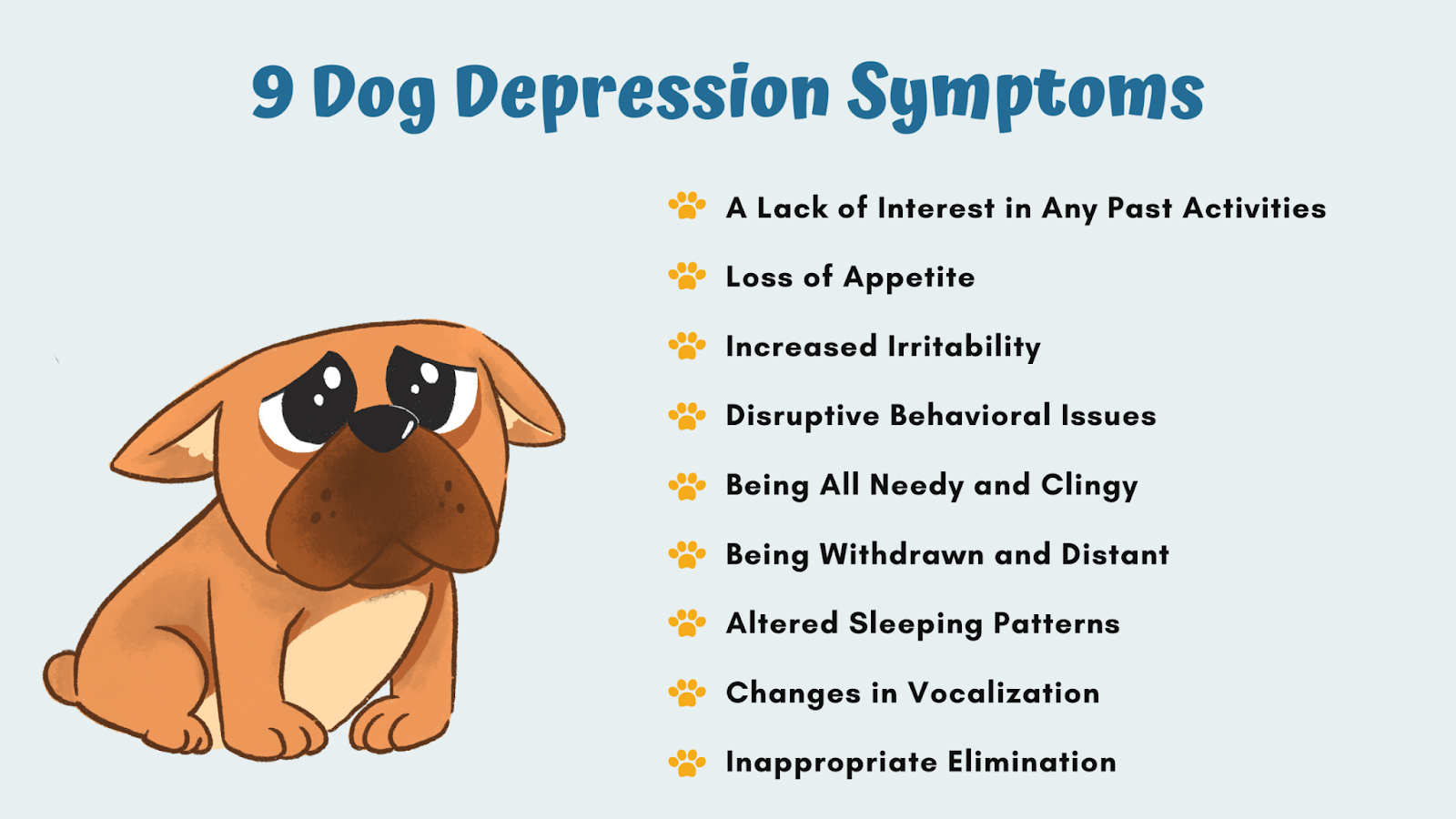
Signs Of Canine Depression
Dogs, like humans, can experience emotional changes. Depression in dogs might not be obvious at first. But recognizing the signs early can help improve their well-being. If your dog seems different lately, watch for these signs.
1. Changes In Appetite
A dog with depression may eat less than usual. Some dogs may even refuse their favorite treats. Others may eat more, seeking comfort in food.
2. Reduced Activity Levels
Depressed dogs often show less interest in play. They may ignore toys they once loved. Even going for walks may not excite them.
3. Increased Sleep
Depressed dogs might sleep more than usual. They may nap in odd places or at unusual times. This could be a sign of sadness.
4. Withdrawal From Social Interaction
Dogs usually enjoy being around their owners. A depressed dog might avoid contact. They may hide or stay in a different room.
5. Changes In Behavior
Some dogs may become clingy, seeking constant attention. Others may show aggression or irritability. These changes can be signs of depression.
6. Loss Of Interest In Activities
Activities that once excited your dog may no longer interest them. Chasing balls or fetching sticks may seem boring now.
7. Vocalization Changes
Some dogs might whine more or bark less. Changes in vocal habits can indicate emotional distress.
8. Physical Symptoms
Depression can sometimes cause physical issues. Look for signs like digestive problems or unexplained weight changes.
Understanding these signs can help you support your dog better. Consult a veterinarian if you notice these changes.
Credit: www.volharddognutrition.com
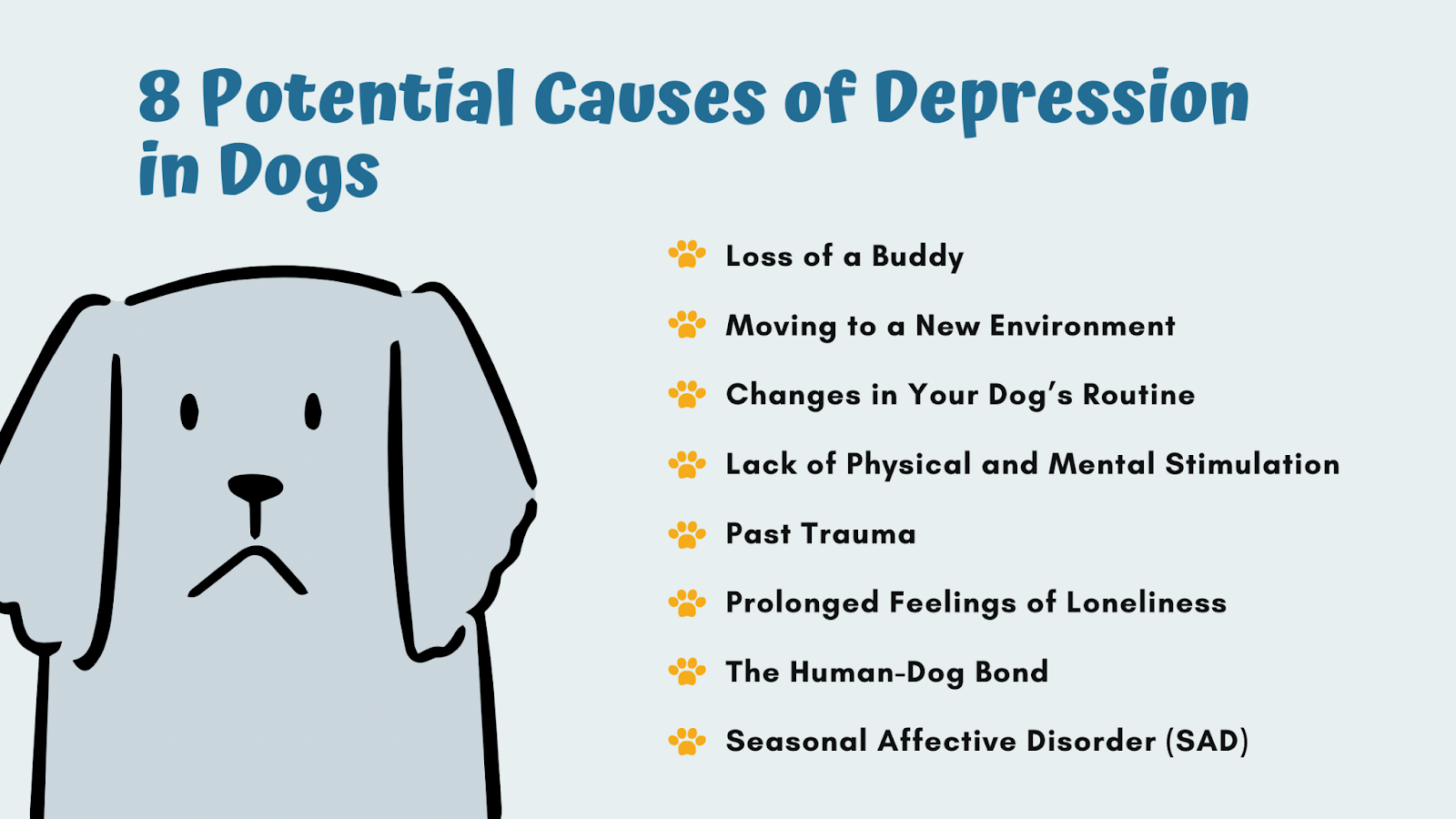
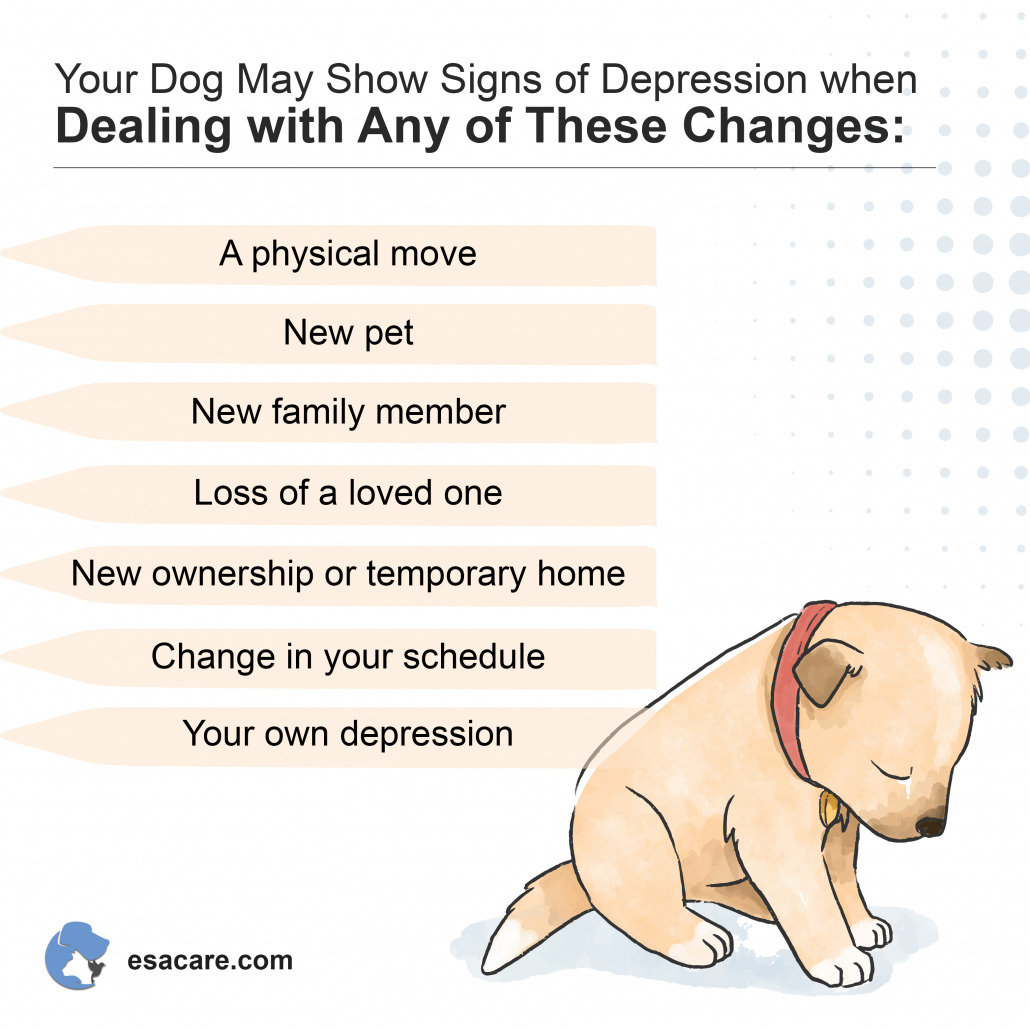
Causes Of Depression In Dogs
Dogs can experience depression due to changes in their environment or loss of a loved one. Symptoms may include lethargy, loss of appetite, and withdrawal from social activities. While depression alone doesn't directly cause death, it can lead to health issues if not addressed.
Understanding the causes of depression in dogs can help you better support your furry friend. Dogs, like humans, can experience emotional downturns. Recognizing the signs early and knowing the triggers can make a significant difference in their well-being.
1. Changes In Environment
Dogs thrive on routine and familiarity. A sudden move to a new home or the introduction of new family members can be unsettling. Notice if your dog seems withdrawn after these changes.
2. Loss Of A Companion
Dogs can form strong bonds with other pets or humans. When a companion leaves or passes away, your dog might feel a deep sense of loss. This can lead to a noticeable change in their behavior.
3. Lack Of Physical Activity
Exercise is vital for a dog’s mental health. Without regular walks or playtime, dogs can become bored and restless. This can spiral into a depressive state if not addressed.
4. Neglect Or Abuse
A dog that has been neglected or abused in the past may carry emotional scars. These experiences can result in depression, especially in rescue dogs. Providing a stable and loving environment can help them heal.
5. Health Issues
Underlying health problems can also contribute to depression. Pain or discomfort from conditions like arthritis can alter a dog's behavior. Regular vet check-ups are crucial to rule out physical causes.
6. Changes In Routine
Dogs are creatures of habit. Any disruption in their daily routine, such as a change in feeding times, can affect their mood. Keep an eye on how your dog reacts to schedule changes.
7. Aging
As dogs age, they may experience cognitive decline. This can lead to confusion and sadness. You might notice your older dog being less active or disengaged.
8. Lack Of Social Interaction
Social creatures by nature, dogs need interaction with humans and other dogs. Isolation or limited interaction can lead to loneliness. Consider arranging playdates or spending more quality time with your dog. Have you noticed any of these signs in your dog? Addressing these causes can greatly enhance their quality of life. Taking proactive steps can help your dog regain their joy and vitality.
Ways To Support A Depressed Dog
Dogs can feel deep sadness, but depression alone doesn't cause death. To support a depressed dog, provide a stable routine and engaging activities. Ensuring regular vet check-ups and plenty of affection can help boost their mood and overall well-being.
Dogs, like humans, can experience depression. This can be triggered by various factors, such as a change in environment or the loss of a companion. As a caring pet owner, it's essential to recognize signs of depression in your dog and take action. You might wonder how you can help your furry friend bounce back to their joyful self. Let's explore some practical ways to support a depressed dog.
Provide A Consistent Routine
Dogs thrive on routine. It gives them a sense of security and predictability. Establish regular feeding times, walks, and play sessions. This structured schedule will help your dog feel more settled and less anxious. Consistency in daily activities can be comforting for a dog feeling lost or confused.
Offer More Physical Activity
Exercise is a powerful mood booster. Regular physical activity can help alleviate symptoms of depression in dogs. Take your dog for longer walks, play fetch, or engage in a fun game of tug-of-war. Increased exercise not only lifts their spirits but also strengthens your bond.
Engage In Mental Stimulation
Dogs need mental challenges to keep their minds sharp. Introduce puzzle toys, teach new tricks, or set up a mini obstacle course in your living room. Mental stimulation can distract your dog from feelings of sadness and make their day more interesting.
Social Interaction
Socializing with other dogs can be incredibly beneficial. Arrange playdates with other dogs or visit a dog park. Being around other dogs can help lift your dog's mood and provide them with essential social stimulation. Just observe their interactions to ensure they are comfortable and enjoying themselves.
Offer Gentle Affection
Sometimes, all a dog needs is a little extra love. Spend quality time cuddling, petting, or simply sitting beside them. Your presence can be immensely comforting. When I noticed my dog was feeling down after a move, extra snuggle time helped reassure him and improve his mood.
Consult A Professional
If your dog’s depression seems severe or persists, consider seeking advice from a vet or pet behaviorist. They can provide professional insights and may suggest treatments or therapies tailored for your dog. Sometimes, just knowing you have expert support can make a big difference. Supporting a depressed dog requires patience and understanding. Your efforts can make a significant impact on their emotional well-being. What strategies will you try first to uplift your canine companion's spirits?
Credit: esacare.com
Frequently Asked Questions
Can Dogs Suffer From Depression?
Yes, dogs can experience depression. Changes in environment or loss can trigger it.
What Are Symptoms Of Dog Depression?
Symptoms include lethargy, loss of interest in activities, and changes in eating habits.
How To Help A Depressed Dog?
Provide exercise, affection, and routine. Consult a vet for severe cases.
Can Depression Shorten A Dog's Life?
Severe depression can affect health. Proper care improves well-being.
Is Professional Help Needed For Dog Depression?
If symptoms persist, seek advice from a vet or animal behaviorist.
Conclusion
Dogs can feel depressed, but they rarely die from it. Depression in dogs shows through changes in behavior. Watch for signs like loss of appetite or energy. Providing love, care, and attention helps. Consult a vet if symptoms persist. They might suggest treatments or lifestyle changes.
A happy environment can improve a dog's mood. Mental and physical activities are crucial. Regular check-ups ensure your dog stays healthy. Love, patience, and understanding go a long way. They keep your dog safe and happy. Your furry friend deserves the best care.
Always prioritize their well-being.