Your furry friend means the world to you, and seeing them uncomfortable or unwell can be heartbreaking. If you've ever noticed that your dog has diarrhea during stressful situations, you're not alone.
Anxiety in dogs can manifest in many ways, and digestive issues are a common concern among pet owners. Could your dog's nerves really be the culprit behind their tummy troubles? Understanding the connection between anxiety and diarrhea in dogs is crucial for their well-being and your peace of mind.
We'll explore the surprising ways anxiety can affect your dog's digestive system and provide you with practical tips to help ease their discomfort. Stay with us to uncover the truth about your pet's health and discover how you can make a difference in their life.
Signs Of Anxiety In Dogs
Dogs may show anxiety through diarrhea, pacing, or excessive barking. Stress affects their digestive system, causing stomach upset. Recognizing these signs helps manage your pet's health.
Understanding the signs of anxiety in dogs is crucial for any pet owner. It's not just about identifying when your dog is stressed, but also understanding how it affects their health. Anxiety can manifest in various ways, and yes, it can even lead to diarrhea. So, what signs should you look for to determine if your dog is anxious?
Changes In Behavior
Dogs, much like humans, show anxiety through noticeable changes in their behavior. You might find your dog pacing back and forth or suddenly becoming more clingy. Some dogs may become more aggressive or start barking excessively. It’s essential to observe these behavior shifts as they can be clear indicators of anxiety.
Physical Symptoms
Beyond behavior, anxiety can cause physical symptoms. Trembling, panting, or drooling excessively are common signs. You might notice your dog shedding more than usual or see changes in their appetite. These physical changes are often the body's response to stress.
Unusual Habits
Anxiety can lead to habits that are out of character for your dog. Some dogs might start chewing on furniture or scratching doors. Others may dig holes in the yard or display destructive behaviors when left alone. These habits can be signs your dog is trying to cope with their anxiety.
Restlessness And Inability To Settle
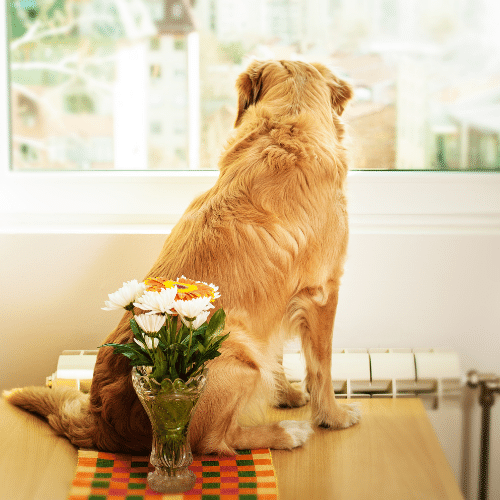
A relaxed dog is usually calm and can settle in one place. If your dog is restless, pacing around, or unable to find a comfortable spot, it might be due to anxiety. This restlessness is often accompanied by an inability to focus or respond to your commands.
Excessive Licking Or Grooming
Dogs sometimes lick themselves to self-soothe, but excessive licking can be a sign of anxiety. If your dog is constantly licking their paws or grooming themselves more than usual, it's worth considering anxiety as a potential cause. This behavior can sometimes lead to skin irritations or infections. Understanding these signs can help you better manage your dog's anxiety. Have you noticed any of these behaviors in your dog? Taking note can be the first step toward helping them feel more comfortable and secure.
Credit: spiritdogtraining.com
Effects Of Anxiety On Canine Digestion
Anxiety in dogs can disturb their digestion. It may lead to various issues. One common problem is diarrhea. Understanding why anxiety affects digestion helps pet owners manage it better.
How Anxiety Triggers Digestive Problems
Stress causes the release of certain hormones. These hormones can upset a dog's stomach. This can lead to faster bowel movements. This results in diarrhea.
The Role Of The Gut-brain Connection
The gut and brain are closely linked. Anxiety affects this connection in dogs. Stress signals from the brain can cause digestive issues. Diarrhea is often a result.
Physical Symptoms Of Anxiety-induced Diarrhea
Dogs may show other signs along with diarrhea. They might seem restless or agitated. They may refuse food or water. These signs indicate anxiety affecting digestion.
Long-term Effects Of Anxiety On Digestion
Chronic anxiety can harm a dog's digestive health. It can lead to recurring diarrhea. Long-term stress may weaken the immune system. This makes them more prone to illness.
Managing Anxiety To Improve Digestion
Reducing anxiety can help control diarrhea. Creating a calm environment helps. Regular routines and positive reinforcement are beneficial. Consult a vet for persistent issues.
Managing Anxiety-induced Diarrhea
Anxiety can cause diarrhea in dogs. Stress affects their digestive system, leading to loose stools. Managing their environment and routine helps reduce anxiety-induced diarrhea.
Managing anxiety-induced diarrhea in dogs can be a challenging yet rewarding endeavor. This condition often stems from stress, which can trigger a range of physiological responses in your furry friend. Understanding the root cause and adopting effective strategies can help alleviate your dog's discomfort and improve their overall well-being.
Identify The Stress Triggers
Pinpointing what causes your dog's anxiety is crucial. Is it loud noises, new environments, or separation? Observing your dog's behavior in various situations can provide valuable insights. Once you identify the stressor, you can work on minimizing its impact, whether by creating a calm environment or gradually desensitizing your pet.
Introduce A Calm Routine
Consistency is key. Implement a daily routine that includes regular feeding, exercise, and bonding time. Dogs thrive on predictability, which can reduce anxiety significantly. Try adding soothing activities, like gentle play or a quiet walk, to help ease their mind.
Consider Dietary Adjustments
Diarrhea can be managed by adjusting your dog's diet. Opt for bland foods like boiled chicken or rice when they show symptoms. Introducing probiotics can also help balance gut flora. Always consult your vet before making significant changes to your pet’s diet, ensuring safety and effectiveness.
Explore Behavioral Therapy
Behavioral therapy can be a game-changer. Techniques like positive reinforcement can teach your dog to associate stressful situations with positive outcomes. Enlist the help of a certified dog trainer if needed, to guide you through the process and offer specialized techniques tailored to your dog's needs.
Utilize Anxiety-reducing Products
Sometimes, products like calming collars or pheromone diffusers can provide relief. These tools work by emitting scents that mimic natural calming signals. They can be particularly useful during travel or when introducing new pets into the home. Evaluate their effectiveness in your dog's environment and make adjustments as necessary.
Monitor Health Closely
Regular vet check-ups are essential. Diarrhea can sometimes indicate underlying health issues. Keeping an eye on your dog's overall health and behavior ensures that any changes are noted promptly. This proactive approach can prevent more serious health complications down the line. --- Have you ever noticed how your dog's behavior changes when you’re stressed? Just like humans, dogs mirror our emotions. Reflect on how your actions could be influencing your pet’s anxiety. Adjusting your own habits might be a subtle yet impactful way to support your dog through their anxiety-induced challenges.

Credit: www.facebook.com
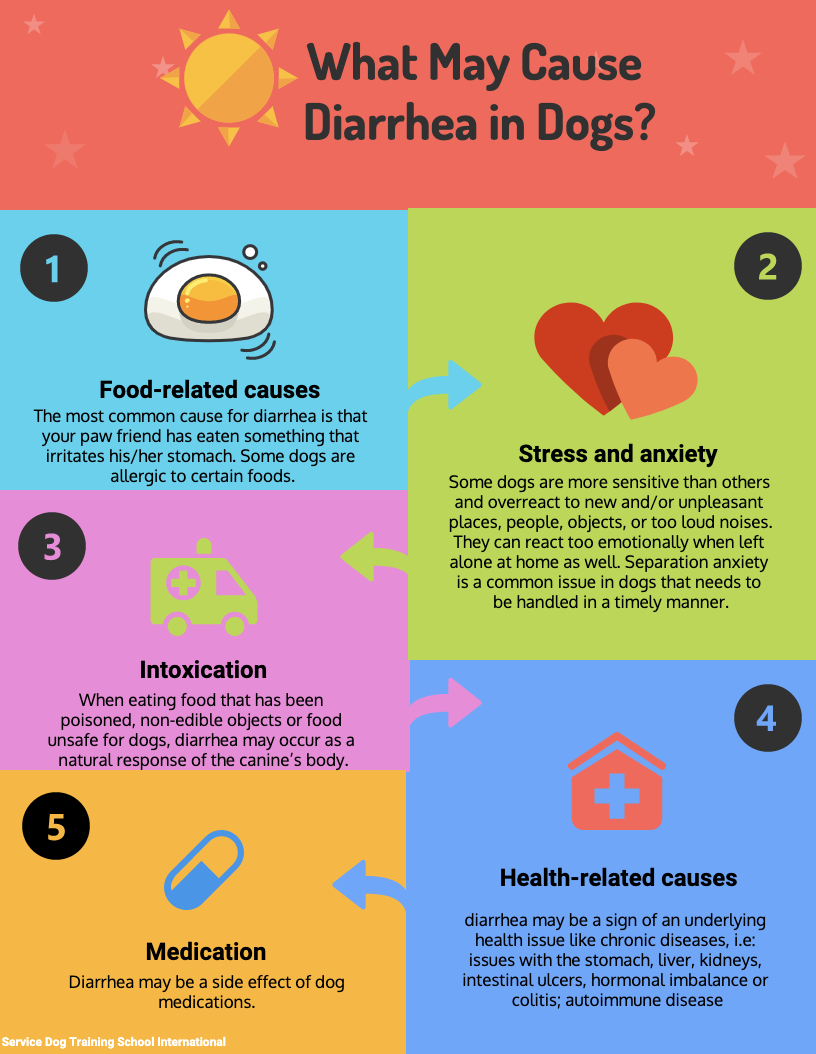
Credit: www.servicedogtrainingschool.org
Frequently Asked Questions
Can Anxiety Make Dogs Have Diarrhea?
Yes, anxiety can upset a dog's stomach. Stress alters digestion. This may lead to diarrhea.
How Can I Calm My Anxious Dog?
Provide a safe space. Use calming toys or scents. Consult a vet for advice or medication.
What Are Signs Of Anxiety In Dogs?
Signs include pacing, barking, and trembling. Changes in appetite or sleep patterns can also indicate anxiety.
Can Diet Affect A Dog's Anxiety Levels?
Yes, poor diet may worsen anxiety. Nutritious food supports brain health and emotional balance in dogs.
Should I See A Vet For Dog Diarrhea?
Yes, if diarrhea persists. A vet can rule out serious issues and suggest treatments for anxiety-related symptoms.
Conclusion
Anxiety can indeed lead to diarrhea in dogs. Stress affects their digestive system. Watch for signs like restlessness or fear. These might indicate anxiety issues. Addressing stressors helps manage their symptoms. Consider a calming routine or environment. Consult your vet for professional advice.
They can suggest effective solutions. Your dog’s health and comfort matter most. Understanding their needs ensures a happy pet. Keep an eye on their behavior. Take steps to ease their anxiety. A calm dog is a healthy dog. Prioritize their wellbeing for a happier life together.