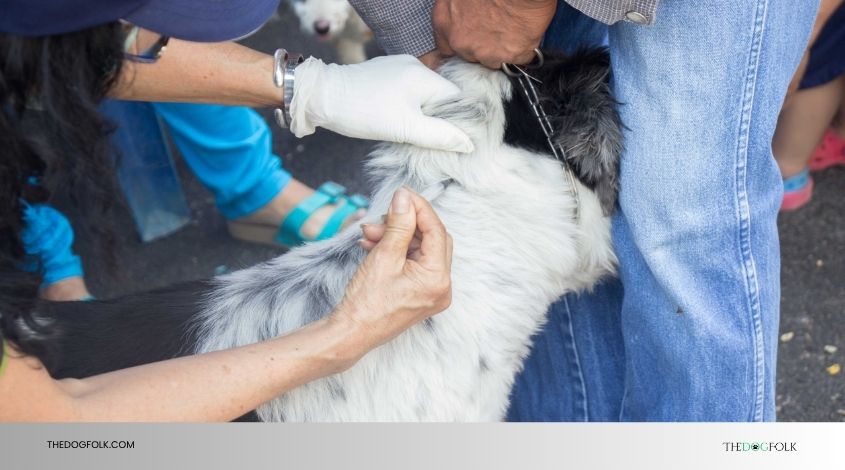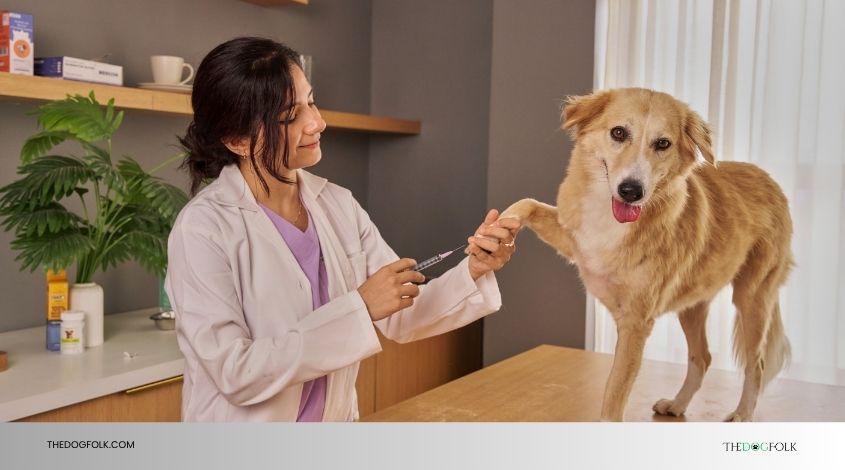
Imagine the heartache of seeing your beloved dog fall ill, especially from a preventable disease like parvovirus. As a dog owner, you want to do everything possible to keep your furry friend safe and healthy.
But with so much conflicting information out there, it's easy to feel overwhelmed. You might be wondering, "Does my dog really need a parvo vaccine every year? " This question is crucial for ensuring your pet's well-being. You'll find clear answers and practical advice tailored just for you.
Dive in to discover how you can protect your dog from parvovirus while navigating the world of pet vaccinations with confidence.
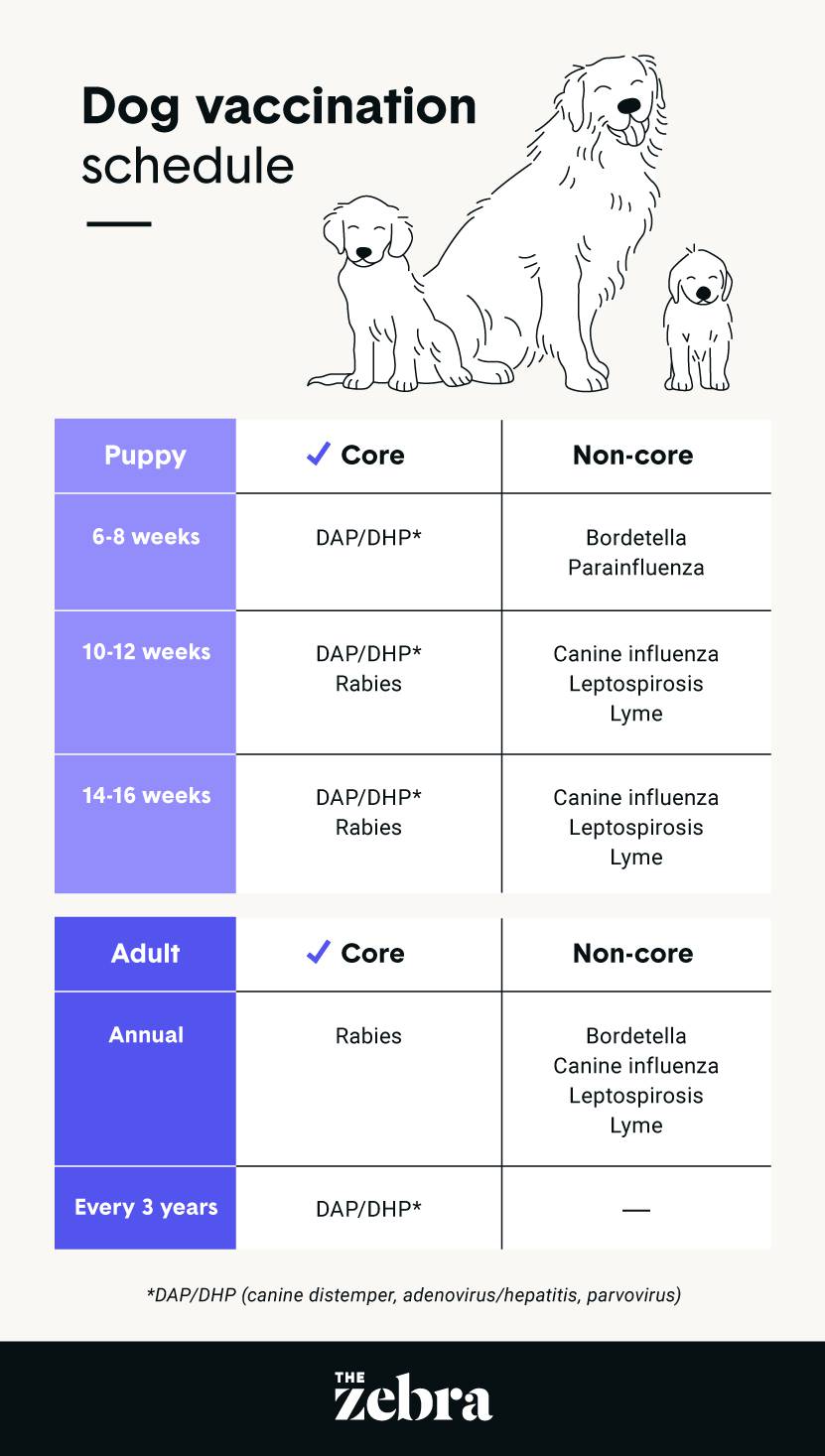
Credit: www.thezebra.com
Parvo Vaccine Basics
The parvo vaccine is vital for dog health. It protects against parvovirus, a highly contagious disease. Puppies are most vulnerable. Understanding this vaccine is essential for every dog owner.
What Is Parvo?
Parvovirus is a deadly virus affecting dogs. It primarily attacks the gastrointestinal tract. Symptoms include vomiting, diarrhea, and lethargy. It spreads easily from dog to dog.
How Does The Parvo Vaccine Work?
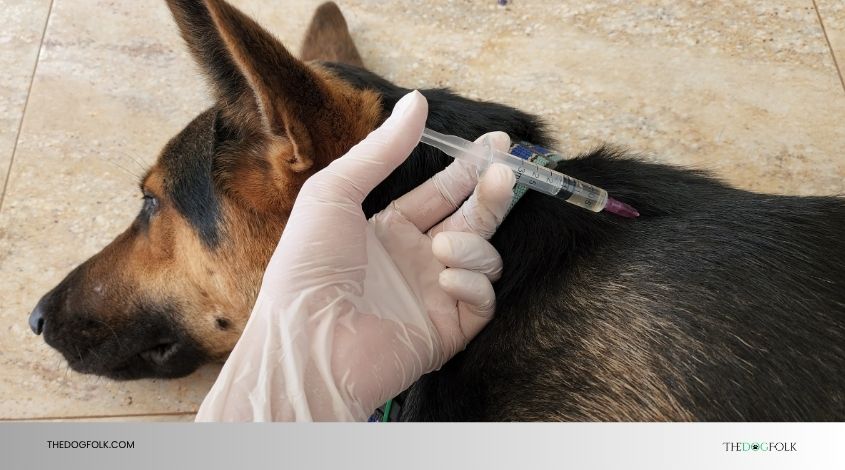
The vaccine builds immunity against the virus. It introduces a safe form of the virus to the dog. The immune system learns to fight the actual virus. This prevents severe illness if exposed.
Why Vaccinate Against Parvo?
Vaccination prevents the spread of parvovirus. It reduces the risk of severe illness in dogs. Vaccinated dogs are less likely to transmit the virus. This keeps both your dog and others safe.
Is Yearly Vaccination Necessary?
Yearly vaccination might not be required. Many vets recommend a booster every three years. It depends on the dog's health and lifestyle. Consult your vet for personalized advice.

Credit: ponderosavetclinic.com
Annual Vaccine Debate
Debate surrounds the necessity of annual parvo vaccines for dogs. Experts discuss if yearly shots are essential for protection. Considerations involve health risks and immunity duration, sparking varied opinions among veterinarians and pet owners.
The Annual Vaccine Debate around the parvo vaccine for dogs is a hot topic among pet owners and veterinarians alike. Many pet parents wonder if their furry friends really need to get vaccinated every year. It’s essential to dive into the facts to make informed decisions that impact your dog's health.
Is Annual Vaccination Necessary?
Vaccines have played a crucial role in preventing diseases, but not all vaccines require annual administration. The parvo vaccine is one such example. While some vets recommend yearly shots, others suggest a different schedule based on your dog's health and lifestyle. The American Animal Hospital Association (AAHA) advises that core vaccines, like the one for parvovirus, may not need to be given annually after the initial puppy series and first adult booster. Instead, a three-year interval could be sufficient. However, different circumstances may call for different approaches.
Understanding The Risks
Parvovirus is highly contagious and can be deadly, especially in puppies. Vaccination is the best defense against this disease. But, is it worth the risk of over-vaccinating your dog? Over-vaccination can sometimes lead to adverse reactions or unnecessary stress on your pet's immune system. It's vital to weigh these risks with your vet based on your dog's unique needs.
Tailoring Vaccination To Your Dog
Every dog is different, and so are their vaccination needs. Factors like age, health status, and lifestyle should influence your decision. If your dog frequently interacts with other dogs or travels often, a more frequent vaccination schedule might be necessary. On the other hand, older dogs or those with certain health issues may benefit from less frequent vaccinations. Discussing these considerations with your vet helps tailor a plan that best fits your dog's lifestyle.
What Do Pet Owners Think?
Pet owners often have varied opinions based on their experiences. Some swear by annual vaccinations, having witnessed the devastating effects of parvo. Others feel confident with less frequent vaccinations after discussing with their vet. Have you ever faced this dilemma? What did you decide, and why? Sharing experiences helps other pet parents make better decisions.
Consulting Your Veterinarian
Your veterinarian is your best resource when it comes to making vaccination decisions. They know your dog's health history and can offer personalized advice. Ask questions, express concerns, and make sure you understand all options before proceeding. Staying informed and proactive is key. It ensures your furry friend stays healthy and happy for years to come.
Assessing Risk Factors
Understanding risk factors helps decide on parvo vaccinations for dogs. Each dog has unique circumstances influencing vaccination needs. Evaluating these factors ensures effective protection against parvovirus.
Assessing Age And Health
Puppies face higher risks of parvovirus. Their immune systems are still developing. Older dogs might have reduced immunity. Health status affects vaccine effectiveness. Ill or stressed dogs may need different vaccination schedules.
Examining Lifestyle And Environment
Dogs frequently visiting parks have increased exposure risk. Urban dogs encounter more canine interactions. Rural dogs might face lower exposure. Consider where your dog spends most of its time. Assess environments for parvovirus presence.
Understanding Breed And Genetics
Certain breeds are more vulnerable to parvovirus. Dobermans and Rottweilers have higher risks. Genetic predispositions play a role in susceptibility. Knowing your dog's breed helps evaluate risk.
Evaluating Veterinary Guidance
Veterinarians provide tailored advice based on risk factors. Regular check-ups ensure your dog’s vaccine needs are met. Trust your vet’s expertise in assessing parvovirus risks.
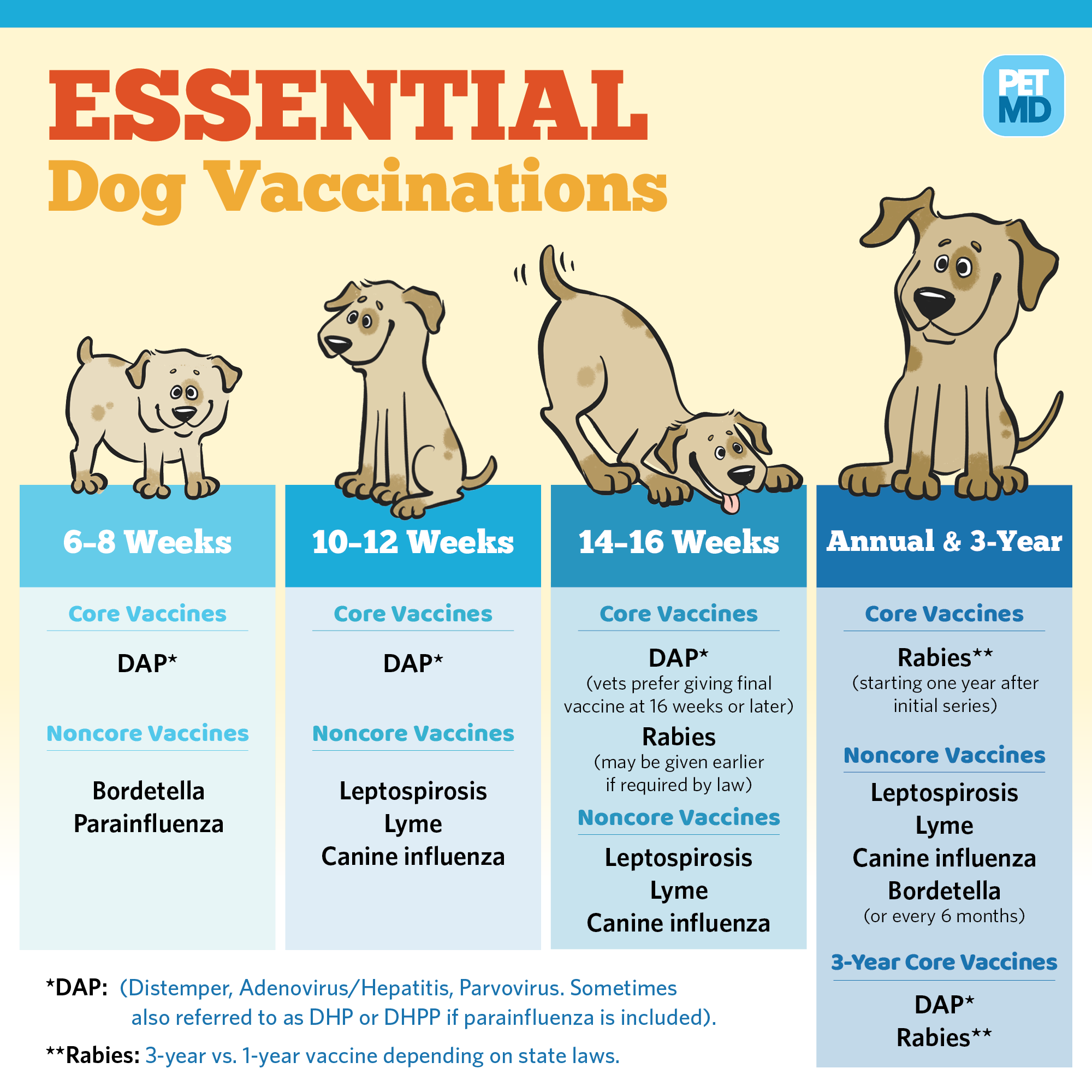
Credit: www.facebook.com
Frequently Asked Questions
How Often Do Dogs Need Parvo Vaccine?
Dogs typically need a parvo vaccine every three years. It's essential for their protection against the virus.
Can Parvo Vaccine Be Skipped?
Skipping the parvo vaccine can put your dog at risk. It's crucial for their health and safety.
What Are Parvo Vaccine Side Effects?
Side effects may include mild fever or swelling. Serious reactions are rare. Always consult your vet if concerned.
Is Parvo Vaccine Necessary For Indoor Dogs?
Yes, even indoor dogs need the vaccine. Parvo can be transmitted through various means, including contaminated surfaces.
How Does Parvo Affect Puppies?
Parvo is severe in puppies. It attacks their intestines, causing vomiting and diarrhea. Vaccination is vital for protection.
Conclusion
Deciding on a parvo vaccine schedule is crucial for your dog's health. Talk with your vet about your dog's specific needs. Some dogs might need yearly shots; others may not. Factors like age, lifestyle, and health matter. Keeping up with vaccinations protects against diseases.
Your vet knows what's best for your furry friend. Always prioritize their well-being. Remember, prevention is better than cure. A healthy dog is a happy dog. Don't hesitate to ask questions. Stay informed, and your dog will thank you.