Imagine the joy and companionship your two-year-old dog brings into your life. You’ve done everything to protect them, including vaccinations.
But the nagging question persists: can your vaccinated dog still get parvo? It’s a concern that many dog owners share, especially when they hear stories of dogs falling ill despite being vaccinated. You want to be sure that you’ve done everything right to safeguard your furry friend.
This article delves into the reality of parvo risks for vaccinated dogs, offering clear insights and reassuring truths. Understanding this can make all the difference in keeping your beloved pet healthy. Keep reading to discover vital information that could safeguard your dog’s health and your peace of mind.
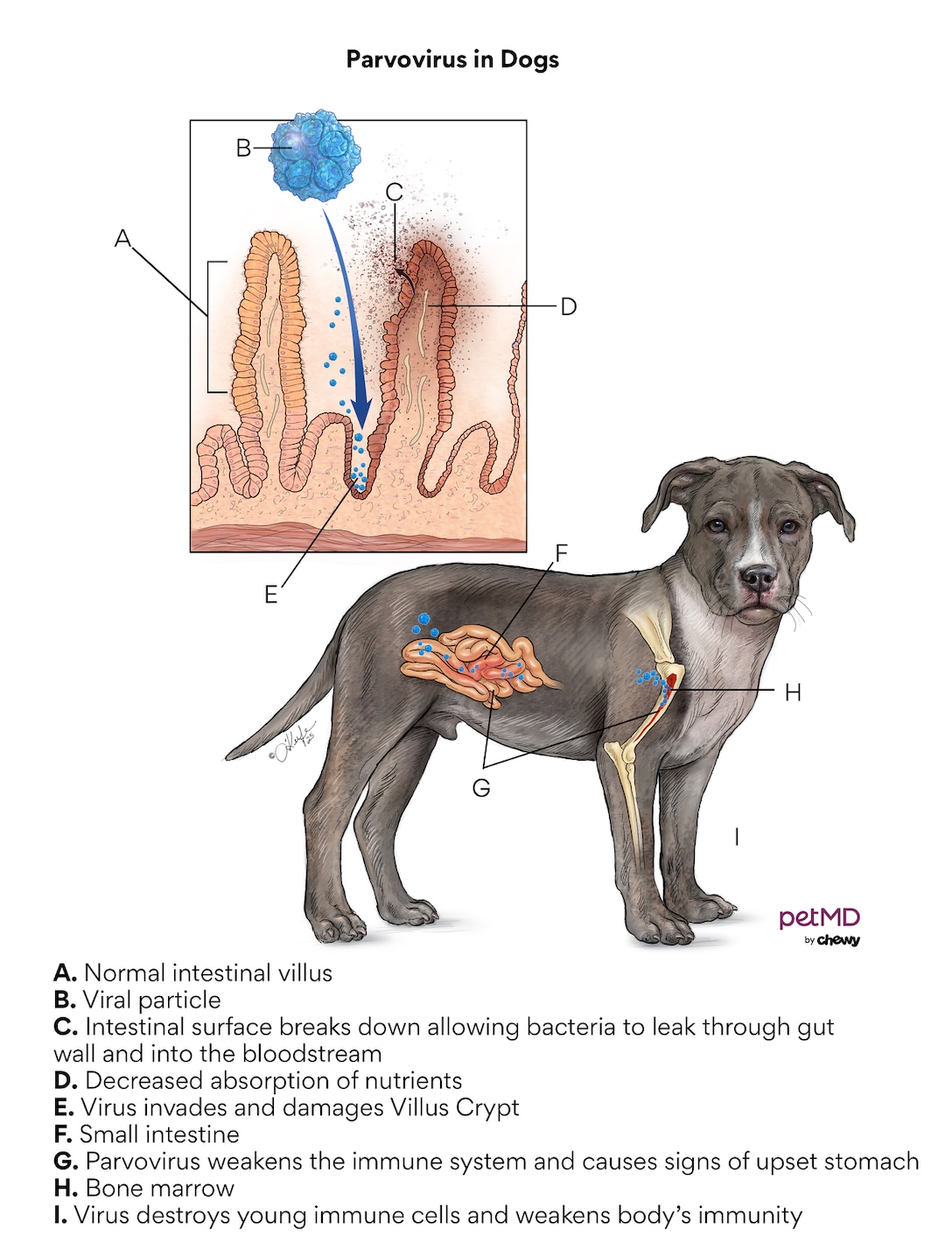
Credit: www.petmd.com
Parvo In Dogs
Parvo is a highly contagious virus that affects dogs, primarily attacking the gastrointestinal tract. It's known for its rapid spread and severe symptoms, such as vomiting, diarrhea, and lethargy. While vaccinations are crucial in preventing parvo, many dog owners wonder if their vaccinated dogs, especially those around two years old, are still at risk.
Can Vaccinated Dogs Still Get Parvo?
Vaccinations significantly reduce the risk of parvo, but they aren't foolproof. A vaccinated dog can still contract the virus if its immune system is compromised or if the vaccine didn't cover the latest strain. You might have experienced this with a friend's dog who still got sick despite being vaccinated. It’s a reminder that vaccines are vital but not always absolute protection.
Understanding Vaccine Efficacy
Vaccines are designed to prepare your dog's immune system to fight off infections. However, like flu shots for humans, they offer protection against specific strains. If your dog was vaccinated against an older strain, it might be vulnerable to newer mutations. Regular booster shots can help ensure your dog's immunity stays robust against evolving strains.
Symptoms To Watch For
Even if your dog is vaccinated, it's essential to monitor its health. Look out for symptoms like loss of appetite, excessive vomiting, or bloody diarrhea. These could signal parvo or another serious condition. Early detection can make a significant difference in treatment and recovery.
Importance Of Booster Shots
Booster shots reinforce your dog's immunity, keeping it strong against new and existing threats. By maintaining a regular vaccination schedule, you enhance your dog's ability to fend off parvo. It’s not just about prevention; it’s about ensuring ongoing protection. Consider setting reminders for booster shots to stay ahead.
Creating A Safe Environment
A clean and safe environment is vital in preventing parvo. Avoid places known for outbreaks, and ensure your dog's play areas are sanitized. You wouldn't want your dog exposed to unnecessary risks, especially if it's young and energetic. Taking proactive steps in creating a clean space can be a practical measure in keeping your dog healthy.
Have you ever wondered how safe your dog's environment really is? Regularly check and clean areas where your dog spends most of its time. A proactive approach not only protects your dog from parvo but also from other potential health risks.

Credit: emeraldvet.com
Vaccination And Immunity
A vaccinated 2-year-old dog has strong protection against parvo. Vaccines boost immunity, reducing the risk of infection. Regular booster shots are essential to maintain this defense.
Vaccination plays a crucial role in protecting your dog from many diseases, and parvovirus is no exception. But can a 2-year-old dog still get parvo even if they’ve been vaccinated? Understanding the relationship between vaccination and immunity can help you ensure your furry friend stays healthy and safe.
What Is Immunity?
Immunity is your dog's defense system against infections like parvo. Vaccinations are designed to boost this natural defense by introducing a harmless form of the virus. This helps your dog's immune system recognize and fight the real virus if they ever encounter it.
How Do Vaccinations Work?
Vaccines stimulate the immune system by mimicking the infection. When your dog is vaccinated, their body produces antibodies. These antibodies are like soldiers ready to fight off the parvovirus if it tries to invade.
Are Vaccines 100% Effective?
No vaccine can guarantee 100% protection. Just like the flu shot for humans, vaccines greatly reduce the risk, but there's still a small chance of infection. So, while a vaccinated dog is much safer, they’re not completely invincible.
How Long Does Immunity Last?
The immunity from a parvo vaccine doesn't last forever. Generally, booster shots are recommended every 1 to 3 years. Have you checked your dog's vaccination records lately? Keeping up with boosters is essential for long-term protection.
Why Some Vaccinated Dogs May Still Get Parvo
Several factors can influence vaccine effectiveness. If your dog was exposed to parvo soon after vaccination or if their immune system is compromised, they might still get infected. Does your dog have any health issues that might affect their immunity?
Importance Of Booster Shots
Booster shots are like a refresher course for your dog’s immune system. They strengthen the defense against parvo and other viruses. Missing a booster could leave your pet vulnerable. Are you up-to-date with your dog's vaccination schedule?
Signs Your Dog Might Have Parvo
Even with vaccination, it's wise to know the signs of parvo. Symptoms include vomiting, diarrhea, and lethargy. Quick action can make all the difference. Would you recognize these signs if your dog started showing them?
Consult Your Veterinarian
If you're uncertain about your dog's vaccination status or have concerns, your vet is your best resource. Regular check-ups and open communication with your vet can help ensure your dog's health. When was the last time you visited the vet for a wellness check?
Risk Factors For Vaccinated Dogs
Vaccination plays a crucial role in preventing parvo in dogs. Yet, some vaccinated dogs may still face risks. Understanding these risk factors can help in maintaining your pet's health. Identifying and addressing these factors can minimize the chance of infection. Below are the main risk factors for vaccinated dogs.
Exposure To High-risk Environments
Dogs often encounter environments with high virus levels. Places like dog parks and shelters are common. These areas increase exposure risk. Even vaccinated dogs face challenges in such settings. Regular cleaning of living areas reduces virus presence.
Weak Immune System
A dog's immune system influences vaccine effectiveness. Stress and illness weaken immunity. A weakened immune system may not respond well to vaccines. Regular health check-ups ensure your dog's immunity remains strong.
Improper Vaccination Schedule
Following the correct vaccination schedule is vital. A missed booster shot can reduce protection. Consult your vet for the best schedule. Ensure all vaccinations are up-to-date. This enhances your dog's defense against parvo.
Type Of Vaccine Used
Different vaccines offer varying levels of protection. Some vaccines may not cover all virus strains. Discuss vaccine options with your veterinarian. Choose a vaccine that offers broader protection. This helps in minimizing risk.
Age And Breed Sensitivity
Certain breeds are more prone to parvo. Puppies are also highly susceptible. Even vaccinated dogs can be at risk due to breed or age. Understanding these sensitivities can aid in prevention efforts.
Credit: perthvetcare.com.au
Frequently Asked Questions
Can Parvo Affect Vaccinated Dogs?
Vaccinated dogs have a lower risk of parvo, but no vaccine is 100% effective.
How Long Does Parvo Vaccine Last?
Parvo vaccines typically provide protection for one to three years.
What Are Parvo Symptoms In Vaccinated Dogs?
Symptoms in vaccinated dogs are milder. Look for diarrhea, vomiting, and lethargy.
Should I Revaccinate My Dog For Parvo?
Consult your vet. They will assess risk and determine if a booster is necessary.
Can Older Dogs Catch Parvo?
Older dogs can catch parvo, especially if their immunity weakens over time.
Conclusion
Vaccination is key to protect dogs from parvo. Yet, risks remain. Vaccines reduce the chance of infection. But no vaccine guarantees 100% immunity. Two-year-old dogs can still catch parvo. Regular vet visits help monitor their health. Maintain a clean environment to reduce risks.
Watch for symptoms like vomiting or diarrhea. Early treatment boosts recovery chances. Always consult your vet for guidance. Keep your furry friend safe and healthy. Prioritize their well-being every day. Understanding these points helps ensure a happy life for your dog.