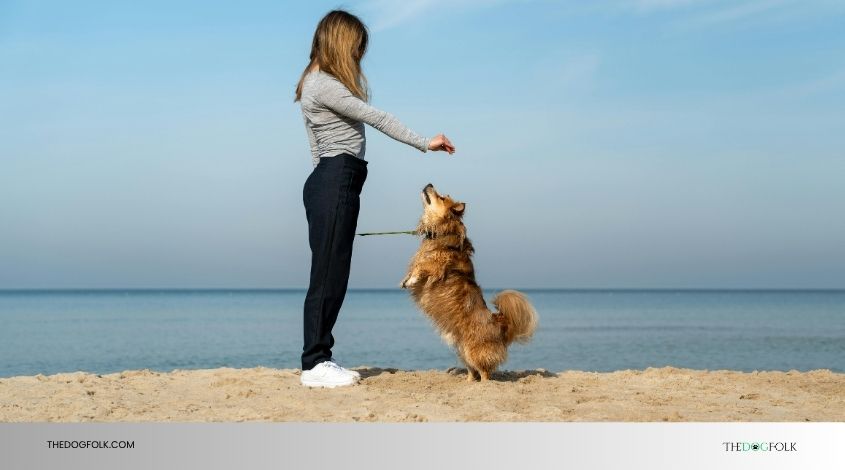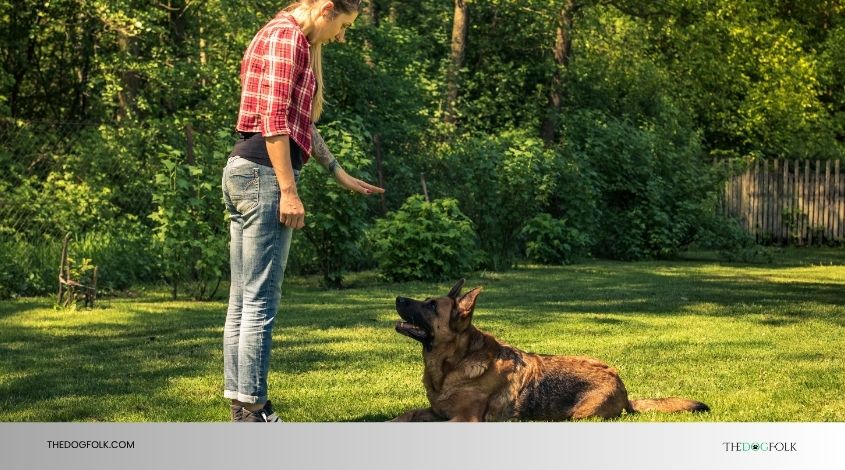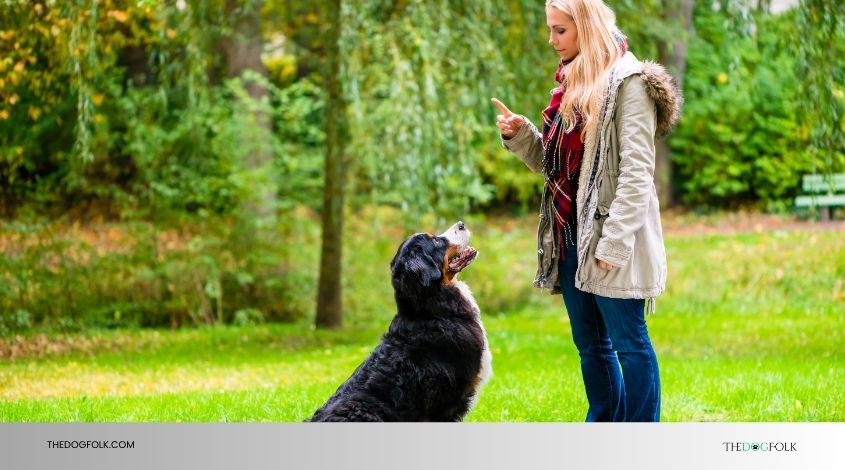
Are you considering training a service dog? Or perhaps you're just curious about the process involved in transforming a playful puppy into a dedicated companion.
Knowing how long it takes to train a service dog can help you set realistic expectations and plan accordingly. Service dogs play a crucial role in the lives of many, providing assistance and independence to those who need it most.
But, how much time and effort does it take to prepare these incredible animals for their important work? The answer might surprise you. Stick around as we uncover the timeline and essential steps involved in training a service dog, ensuring you have all the insights needed to understand this rewarding journey.

Credit: www.youtube.com
Training Phases
The journey to train a service dog is a fascinating process that involves multiple phases, each crucial to shaping a reliable companion. Understanding these phases will help you appreciate the time and effort invested in creating a well-trained service dog. Let's delve into these training stages and what each entails.
Early Socialization
Early socialization is the foundation of a service dog's training. Puppies are exposed to various environments, sounds, and people. This phase builds confidence and adaptability.
Imagine a pup visiting a bustling park, experiencing the noise and energy. This exposure is vital for a service dog to remain calm and focused in different settings.
Basic Obedience
Basic obedience forms the backbone of a service dog's behavior. Commands like sit, stay, and come are taught with consistency.
It’s essential to establish clear communication. Picture your dog responding promptly to your call, even amidst distractions.
Task Training
Task training is where the magic happens. Dogs learn specific tasks tailored to assist their handler's needs.
Whether it's fetching medication or opening doors, task training is personalized. What task would you find most helpful?
Public Access Training
Public access training ensures service dogs behave appropriately in public spaces. They learn to ignore distractions and follow commands.
Think of a service dog in a crowded store, focused solely on its handler. This phase is critical for real-world functionality.
Advanced Training
Advanced training refines the skills learned, ensuring precision and reliability. Dogs undergo rigorous practice sessions.
Consistency is key here. A service dog must perform tasks accurately every time. What level of precision do you expect?
The training phases are designed to transform a playful puppy into a disciplined service dog. Each stage is a stepping stone in building a dependable partner. What phase do you think is most challenging?
Factors Affecting Duration
Training a service dog varies based on breed, task complexity, and trainer experience. Socialization and consistent practice influence the training period. Typically, training ranges from six months to two years.
Training a service dog is a journey filled with dedication and patience. The duration can vary significantly, influenced by several key factors. It's not just about teaching commands; it's about building a relationship and ensuring the dog can meet specific needs. Understanding these factors helps you gauge the time and effort required.
Breed And Temperament
The breed of the dog can greatly affect training duration. Some breeds, like Golden Retrievers and Labrador Retrievers, are known for their eagerness to learn and adaptability. These breeds often pick up skills faster. However, temperament is equally crucial. A dog with a calm, focused disposition may progress quicker than a high-energy or easily distracted one. Think about how a dog's personality can impact its ability to learn complex tasks.
Age Of The Dog
Age plays a significant role in training timelines. Puppies are like sponges, absorbing new information rapidly. They might require less time to train compared to older dogs who might be set in their ways. Yet, training older dogs is not impossible. With patience, older dogs can learn new tricks. It just might take a little longer for them to adjust to new routines and commands.
Training Methods
The approach to training can make a big difference. Positive reinforcement methods often lead to quicker learning and a happier dog. This method involves rewarding good behavior, encouraging the dog to repeat it. Consistency in training is key. If you're using different commands or changing routines frequently, it can confuse the dog and slow down progress.
Trainer Experience
The expertise of the trainer is another critical factor. Experienced trainers can tailor their approach to suit the dog's needs, speeding up the learning process. They can identify and solve issues that might otherwise delay training. Consider the impact of working with someone who understands both the dog's needs and your expectations. Would you trust someone with less experience to train your service dog?
Specific Tasks Required
The complexity of tasks the dog needs to learn affects training duration. Simple tasks like fetching items might be learned quickly, while tasks requiring emotional support or alerting to medical conditions can take longer. Reflect on the specific needs you have. Are they more complex? If so, be prepared for a potentially longer training journey.
Consistency And Environment
Consistency in training sessions is vital. Regular, structured sessions help reinforce learning. If sessions are sporadic, it might take longer for the dog to master tasks. The environment also matters. Training in a calm, familiar setting can enhance focus and retention. A chaotic or distracting environment might slow progress. Training a service dog is a commitment influenced by various factors. Each dog is unique, and so is the journey. By understanding these factors, you can better prepare for the time and effort involved in training your service dog. What factors do you think will impact your dog's training journey?
Expert Opinions
Training a service dog typically takes 18 to 24 months. Experts emphasize consistency and patience during this period. Proper training ensures the dog can effectively assist individuals with specific needs.
Training a service dog is a journey filled with expertise, patience, and dedication. Many factors influence how long it takes for a service dog to be ready for its role. Understanding expert opinions can give you a clearer picture of the commitment involved. Personal experiences often highlight the unique challenges and triumphs in training these special animals. Experts stress the importance of tailored training programs that consider the individual needs of both the dog and its future handler.
What Do Professional Trainers Say?
Professional trainers often emphasize the importance of starting early. Puppies can begin training as early as eight weeks. However, it might take up to two years for a dog to complete its service training. Consistency is key. Experts recommend daily sessions with clear objectives. This approach helps dogs develop the skills necessary for their specific tasks.
Behaviorists' Insights
Behaviorists focus on the psychological aspects of training. They stress the need for positive reinforcement. Dogs learn faster when rewarded for correct behavior. Creating a bond between the dog and its handler is crucial. Trust is the foundation of effective training, leading to better outcomes.
Veterinarian Perspectives
Veterinarians highlight health considerations. A healthy dog is more receptive to training. Regular check-ups ensure the dog remains in peak condition throughout its training. They also stress the importance of socialization. Exposure to various environments helps service dogs adapt to different situations.
Personal Story: A Trainer's Experience
During my time with Max, a Labrador retriever, I realized the importance of patience. Max had days when he excelled and others when he struggled. Each challenge taught me something new about his personality. This insight helped tailor his training to suit his strengths and weaknesses.
Are You Ready To Commit?
Training a service dog requires time and dedication. Are you prepared for this commitment? The bond you form with your dog can be life-changing. Consider your lifestyle and resources. If you're ready, expert guidance can help you every step of the way.
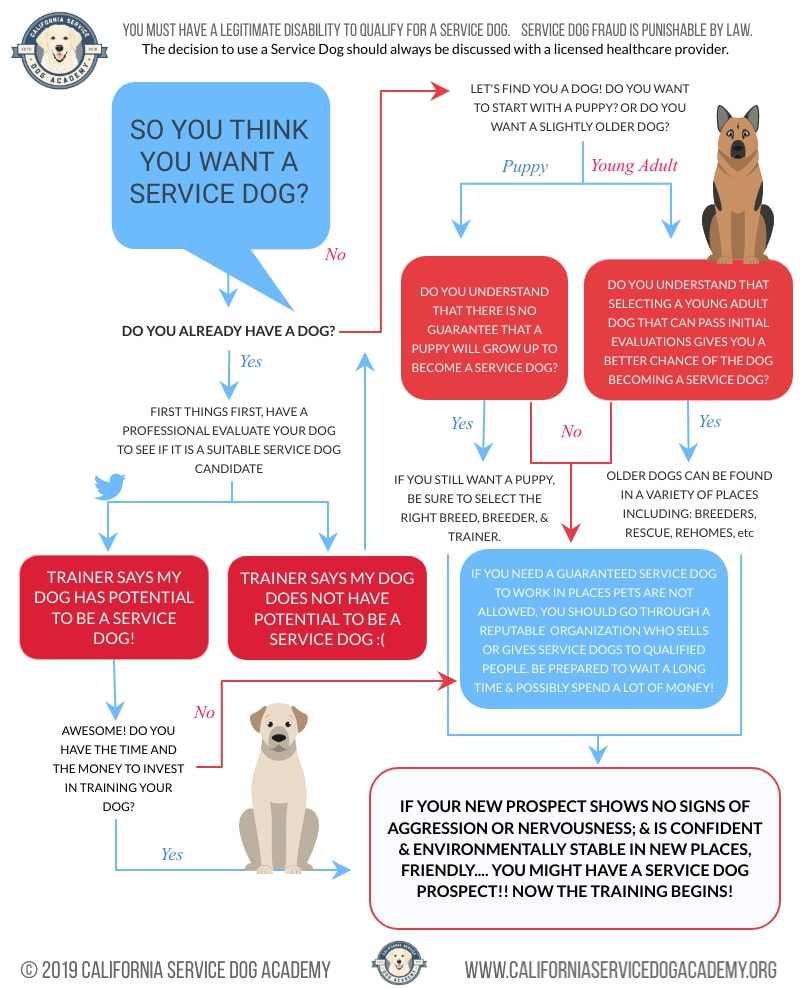
Credit: www.californiaservicedogacademy.org
Credit: www.supportdogcertification.org
Frequently Asked Questions
How Long Does It Take To Train A Service Dog?
Training a service dog usually takes 1 to 2 years. It depends on the dog's breed and tasks needed.
What Factors Affect Service Dog Training Time?
The dog's breed, health, and tasks required can affect training time. Consistent practice speeds up learning.
Can Older Dogs Be Trained As Service Dogs?
Yes, older dogs can learn. It might take longer, but they can be effective service dogs with patience.
Do All Service Dogs Need Professional Training?
Not always. Some people train their own service dogs. Professional trainers offer expertise, especially for complex tasks.
Conclusion
Training a service dog takes time and patience. Each dog learns at its own pace. Typically, training spans several months to years. Consistent practice and positive reinforcement are key. Every step forward is progress. Stay patient and celebrate small victories.
Proper training ensures the dog's success in helping others. It's a rewarding journey for both the trainer and the dog. Understanding this commitment is crucial. Service dogs offer invaluable support. Their training journey shapes their ability to assist. It's worth every moment invested.