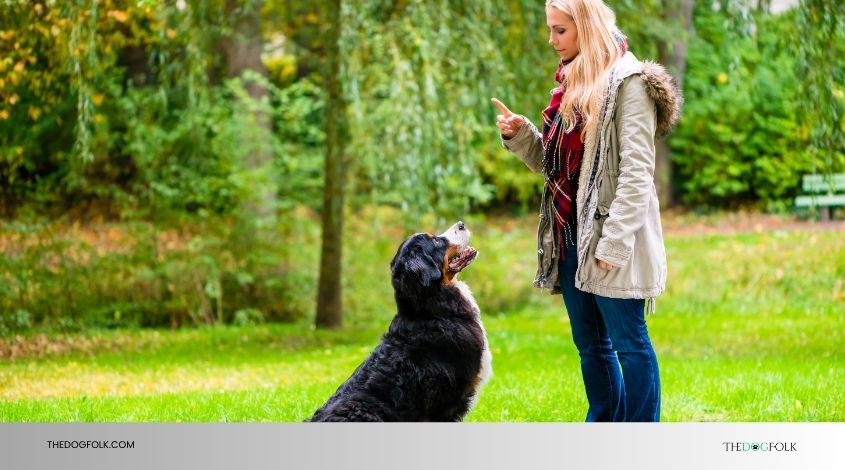
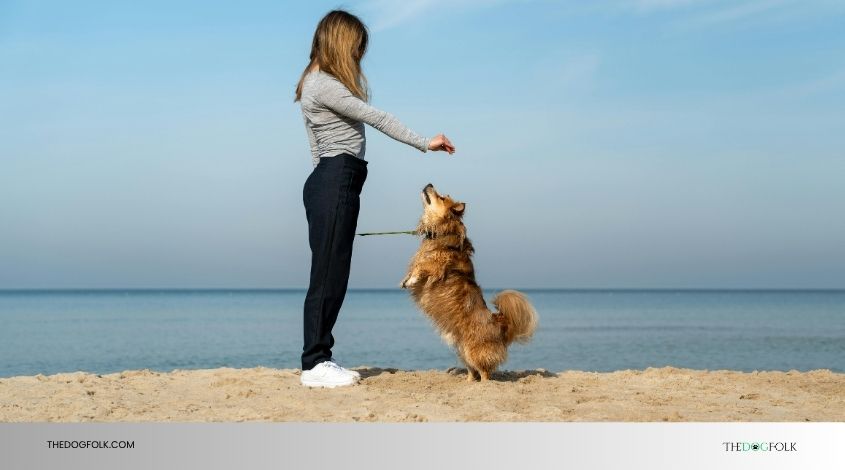
Have you ever wondered if you could train your own service dog? The idea might seem daunting, but it's not as impossible as you might think.
Imagine having a loyal companion by your side, specifically trained to meet your unique needs. The thought of building such a bond is exciting, isn't it? As you delve deeper into this article, you’ll discover the steps, challenges, and rewards of training your very own service dog.
You’ll learn practical tips and insights that can help you make an informed decision. So, are you ready to explore the possibility of transforming your life with a self-trained service dog? Keep reading to find out how you can make this dream a reality.
Benefits Of Training Your Own Service Dog
Training your own service dog can build a strong bond and trust. This personalized approach ensures the dog is attuned to your specific needs. Additionally, it offers a cost-effective solution while providing flexibility in training schedules and methods.
Training your own service dog can be an incredibly rewarding journey. Not only do you get to witness the transformation of a playful pup into a dedicated helper, but you also gain the opportunity to tailor the dog's skills to meet your specific needs. This hands-on experience fosters a deeper bond between you and your canine companion. Let's dive into some of the benefits you can expect from taking on this challenge yourself.
Strengthened Bond Between You And Your Dog
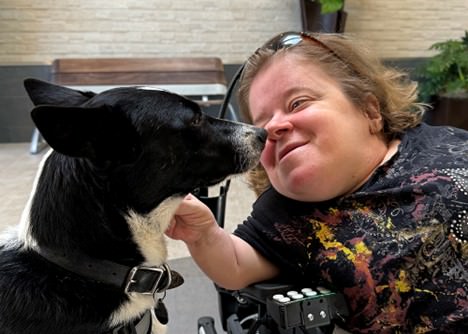
Training your service dog yourself creates a unique connection. You learn to understand each other's cues and habits. This mutual understanding can lead to more effective communication, enhancing the dog's ability to assist you in everyday tasks. Imagine the satisfaction of seeing your dog respond flawlessly to your requests, knowing that it's a result of your shared efforts.
Personalized Training To Suit Your Needs
Every individual has different needs that a service dog can help address. By training your own dog, you can tailor their skills specifically for your lifestyle. Whether you need help with mobility or require alerts for medical conditions, you can focus on the areas most relevant to you. This personalization can make your daily life smoother and more comfortable.
Cost-effective Solution
Professional service dog training programs can be expensive. Training your dog yourself can reduce costs significantly. While you may still need to invest in resources like training books or classes, the overall expense is often much lower than hiring a professional trainer. This can make owning a service dog more accessible for many people.
Empowerment Through Learning
Taking the reins in training your dog can be empowering. You gain valuable skills that extend beyond dog training. This experience can boost your confidence and problem-solving abilities. Plus, you become more knowledgeable about dog behavior, which can be beneficial in various aspects of life.
Flexibility In Training Schedule
When you train your own service dog, you can set your own schedule. This flexibility allows you to train at times that are convenient for you. It can be especially helpful if you have other commitments or varying daily routines. You can progress at your own pace, ensuring that both you and your dog are comfortable. Are you ready to embark on this journey of training your own service dog? Embrace the challenge and discover the profound benefits that come with it. What skills would you prioritize in your service dog training? Let your needs guide your path, and enjoy the rewarding process of nurturing a lifelong partnership with your dog.
Credit: angelamuirvanetten.com
Steps To Train A Service Dog
Training a service dog requires patience and dedication. A well-trained service dog can improve the life of an individual with disabilities. This process involves several steps that build a strong bond between the dog and the handler. Each step is crucial for ensuring the dog can perform its duties effectively. Let's explore the steps to train a service dog.
1. Select The Right Dog
Choosing the right dog is the first step. Look for breeds known for intelligence and temperament. Labrador Retrievers and Golden Retrievers are popular choices. Ensure the dog is healthy and has a calm demeanor.
2. Establish Basic Obedience
Teach basic commands like sit, stay, and come. Use positive reinforcement to encourage good behavior. Consistency in training helps the dog understand expectations.
3. Socialize The Dog
Introduce the dog to various environments. Expose them to different people, sounds, and situations. This helps the dog remain calm in public spaces.
4. Train Specific Tasks
Identify the tasks the dog needs to perform. Train the dog to assist with these specific tasks. Use step-by-step techniques to teach each task effectively.
5. Practice Public Access Skills
Service dogs must behave well in public. Practice walking in crowded places. Ensure the dog is not easily distracted by noises or other animals.
6. Ensure Health And Wellness
Regular vet check-ups are essential. Maintain a balanced diet and exercise routine. A healthy dog performs better in its duties.
7. Continue Ongoing Training
Training does not stop once tasks are learned. Regular practice is needed to maintain skills. Refresh the dog's training to adapt to new tasks or environments.
Challenges And Considerations
Training your own service dog involves many challenges. It requires patience, time, and understanding of specific training techniques. Considerations include legal requirements and ensuring the dog can perform necessary tasks.
Training your own service dog can be a rewarding yet challenging journey. It requires a deep understanding of the dog's needs and the specific tasks you need them to perform. But before you dive in, there are crucial challenges and considerations to keep in mind.
Understanding The Commitment
Training a service dog is not a one-time event; it's a long-term commitment. You must invest time and energy every day to ensure the dog learns and maintains the necessary skills. Are you prepared for months, maybe years, of consistent training?
Knowledge And Skills
Do you possess the knowledge and skills needed for training a service dog? Professional trainers undergo extensive education to understand dog behavior and training techniques. You might need to take courses or consult experts to effectively train your dog.
Assessing Your Dog's Suitability
Not every dog is cut out to be a service dog. Assess whether your dog has the temperament, intelligence, and physical capability to handle the tasks required. Will your dog stay calm in stressful situations or easily get distracted?
Building A Strong Bond
A strong bond between you and your dog is crucial. Training requires trust and understanding. Are you willing to spend quality time with your dog to build this relationship? This bond will be the foundation of successful training.
Legal And Ethical Considerations
There's more to training a service dog than meets the eye. You must comply with legal standards and ethical considerations. Are you aware of the laws surrounding service animals in your area? Ensuring you follow these guidelines is vital.
Cost Implications
Training a service dog can be expensive. Consider costs for training materials, possible courses, and even veterinary care. Can you afford these expenses without compromising your dog's well-being? Training your own service dog is a path filled with challenges and considerations. But with dedication and the right approach, it can also be an incredibly fulfilling experience. Are you ready to take this journey and change your life and your dog's life for the better?
Credit: kakartnola.com
Credit: www.innovaciones.cl
Frequently Asked Questions
Can Anyone Train Their Own Service Dog?
Yes, anyone can train their own service dog. It requires patience, consistency, and dedication.
What Are The Basics Of Training A Service Dog?
Start with basic commands like sit and stay. Gradually introduce task-specific training.
How Long Does It Take To Train A Service Dog?
Training a service dog can take 1-2 years. It depends on the dog's abilities and tasks needed.
Do Service Dogs Need Certification?
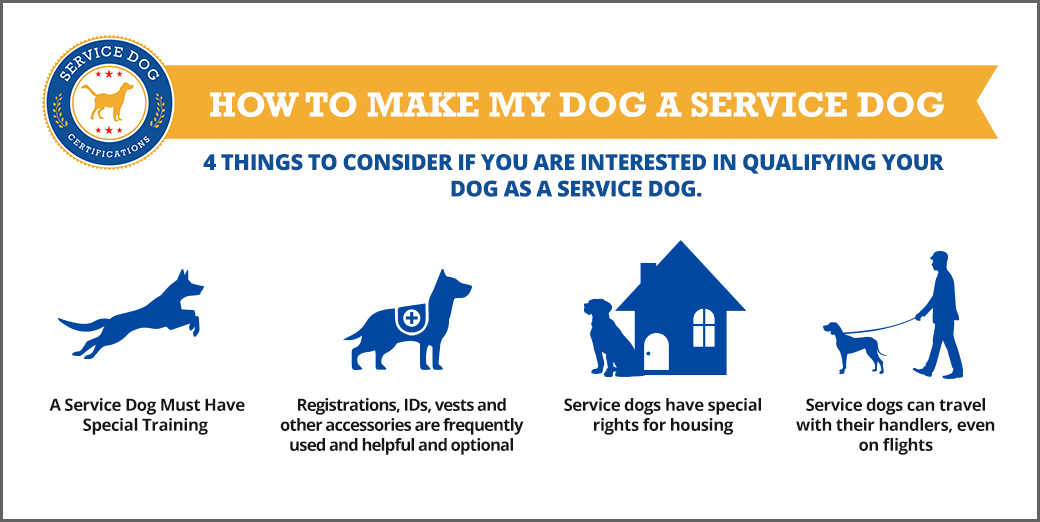
No official certification is required. However, training documentation may help in public settings.
Conclusion
Training your own service dog is possible. It requires patience and commitment. Start with basic commands. Gradually introduce specific tasks. Consistent practice is key. Not every dog can become a service dog. Evaluate your dog's temperament carefully. Professional guidance can be helpful.
Some trainers offer valuable insights. Costs may vary, but it can save money. Support networks provide encouragement and advice. Research local laws and regulations. They differ by location. Your journey may be challenging. But it can be rewarding. A well-trained service dog improves life quality.
Take the first step today. You might find a loyal companion.