Have you ever wondered if your beloved old dog can learn new tricks? The answer might surprise you.
Many people believe that age is a barrier to training, but the truth is, with the right approach, you can teach an old dog new tricks. Imagine the joy of seeing your furry friend master something new, strengthening your bond and enhancing their quality of life.
This article will guide you through understanding why age doesn't have to limit your dog's learning potential and offer practical tips to make the process enjoyable for both you and your pet. Keep reading to uncover the secrets to unlocking your old dog's hidden talents and discover how you can transform your training sessions into exciting adventures.
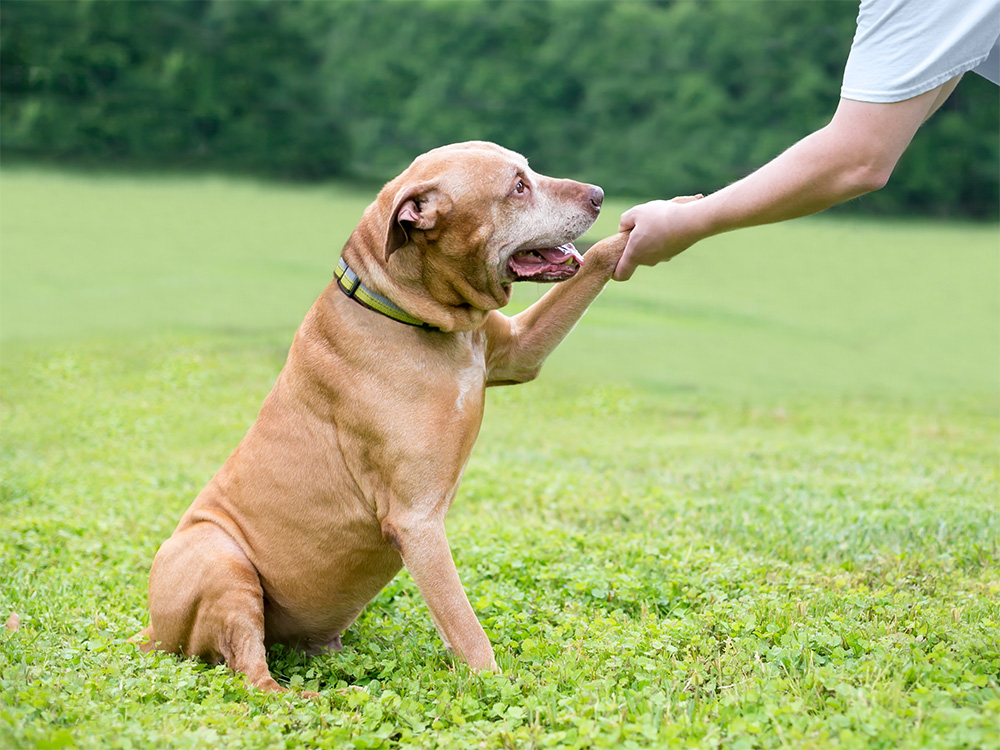
Credit: www.kinship.com
Benefits Of Training Older Dogs
Many believe old dogs can't learn new tricks, but this isn't true. Training older dogs brings many benefits, improving their lives and yours. They gain new skills and become happier and healthier. Let's explore the advantages of training older dogs.
Improved Mental Health
Training exercises a dog's mind and keeps them sharp. Older dogs need mental stimulation to stay alert. Learning new tasks keeps them engaged and reduces boredom. A busy mind leads to a happier, more balanced dog.
Strengthened Bond With Owners
Training sessions build trust between dogs and their owners. Older dogs enjoy spending time with their humans. Working together strengthens the bond and enhances communication. This leads to a more harmonious relationship.
Better Behavior And Obedience
Training addresses behavioral issues, improving obedience. Older dogs often have bad habits that need correcting. Consistent training helps reinforce good behavior. This makes daily life smoother and more enjoyable.
Increased Physical Activity
Training encourages older dogs to move more. Physical exercise is vital for their health. Activities like fetch or agility keep them active. Regular movement helps maintain muscle strength and joint flexibility.
Enhanced Social Skills
Social interaction is important for dogs of all ages. Training introduces older dogs to new environments and people. They learn to interact well with other dogs and humans. Improved social skills lead to better experiences in public spaces.
Effective Training Techniques
Training an old dog is possible with patience and consistency. Focus on positive reinforcement techniques. Reward good behavior with treats and praise. Keep training sessions short and fun to maintain interest.
Training an old dog might sound challenging, but it is entirely possible with the right techniques. Dogs, regardless of age, have the capacity to learn and adapt. What matters most is how you approach the training process. By focusing on effective training techniques, you can help your senior dog learn new tricks and reinforce good behavior.
Understanding Your Dog’s Learning Style
Every dog has a unique learning style. Some might respond well to treats, while others may be motivated by praise or toys. Observe what makes your old dog tick. Once you understand what drives them, use it as a reward during training sessions.
Consistency Is Key
Consistency helps your dog understand what is expected. Use the same commands and gestures every time. If you say "sit" today and "sit down" tomorrow, your dog might get confused. Stick to one phrase per command to make learning easier for them.
Short And Frequent Training Sessions
Old dogs might not have the stamina for long sessions. Keep training sessions short, around 5-10 minutes, but do them frequently. This keeps your dog engaged without feeling overwhelmed. Short bursts of training can be more effective than lengthy lessons.
Positive Reinforcement
Positive reinforcement encourages good behavior. Reward your dog with treats, praise, or playtime whenever they do something right. This builds a positive association with the command and motivates your dog to repeat the behavior. Have you ever noticed how a simple "good dog" can light up your pet’s eyes?
Patience And Empathy
Remember, your old dog might take longer to learn new things. Be patient and understanding. It’s not about how fast they learn, but about the quality of the learning process. Wouldn't you want the same patience if you were learning something new at an older age?
Use Of Clicker Training
Clicker training can be a powerful tool for old dogs. The clicker acts as a clear signal that they did something right. It's an immediate way to mark good behavior, followed by a reward. Have you tried using a clicker with your dog yet?
Incorporating Socialization
Socialization isn’t just for puppies. Old dogs benefit from interacting with other dogs and people. This can improve their behavior and adaptability. Consider setting up playdates or short visits to the dog park.
Regular Health Checkups
Training might be impacted by your dog’s health. Regular vet visits ensure your dog is physically capable of training. Sometimes, behavioral issues stem from health problems. Make sure your old friend is fit for training. Training an old dog isn't just about teaching them new tricks; it strengthens your bond and enhances their quality of life. Have you started training your old dog yet? What techniques have worked best for you?
Common Challenges And Solutions
Training an old dog can be tough, but it's possible with patience and consistency. Older dogs might take longer to learn. Using positive reinforcement and short, regular training sessions helps them adapt.
Training an old dog can be both rewarding and challenging. As dogs age, their ability to learn new tricks or habits can be impacted by physical and mental changes. Yet, with patience and understanding, you can overcome these hurdles and help your old friend learn new behaviors. By identifying common challenges and discovering practical solutions, you can ensure that your training sessions are effective and enjoyable for both you and your dog.
Understanding Physical Limitations
Older dogs may face physical limitations like arthritis or reduced stamina. This can make certain activities more challenging for them. You need to adjust the training exercises to match your dog's physical capabilities. Consider shorter training sessions with breaks. Choose exercises that are gentle on their joints. Use soft surfaces like grass for training to minimize discomfort.
Dealing With Cognitive Changes
An aging dog's brain might not be as sharp as it once was. This can affect memory and concentration during training. Cognitive decline is a common challenge that requires special attention. Introduce mental exercises to keep their mind active. Use puzzles or games that stimulate brain activity. Repeat commands consistently to reinforce learning.
Overcoming Emotional Barriers
Old dogs can sometimes be set in their ways, making them resistant to new experiences. They might show signs of anxiety or fear when faced with unfamiliar tasks. Addressing emotional barriers is crucial for successful training. Create a calm and positive environment. Use treats and praise to encourage them and reduce anxiety. Gradually expose them to new commands to build confidence.
Finding Motivation
Motivating an older dog can be tricky, especially if they seem indifferent to rewards. You need to find what truly excites them to keep them engaged. Experiment with different treats to find their favorite. Combine training with activities they love, like short walks or playtime. Celebrate small achievements to keep them motivated.
Ensuring Consistency
Consistency is key to training any dog, but it’s especially important for older dogs. Their learning process might be slower, requiring repeated efforts. Stick to a routine that includes regular training sessions. Use the same commands and gestures to avoid confusion. Involve family members to ensure everyone follows the same training methods. Training an old dog is not just about teaching new tricks; it's about building a stronger bond. By addressing these challenges head-on, you can make the experience enjoyable for both of you. Have you ever tried training an older dog? What unique solutions did you find effective?
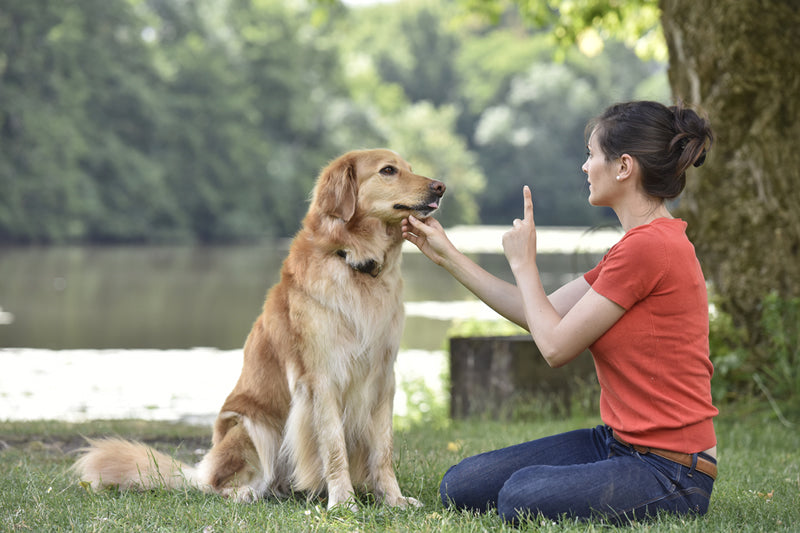
Credit: khpet.com
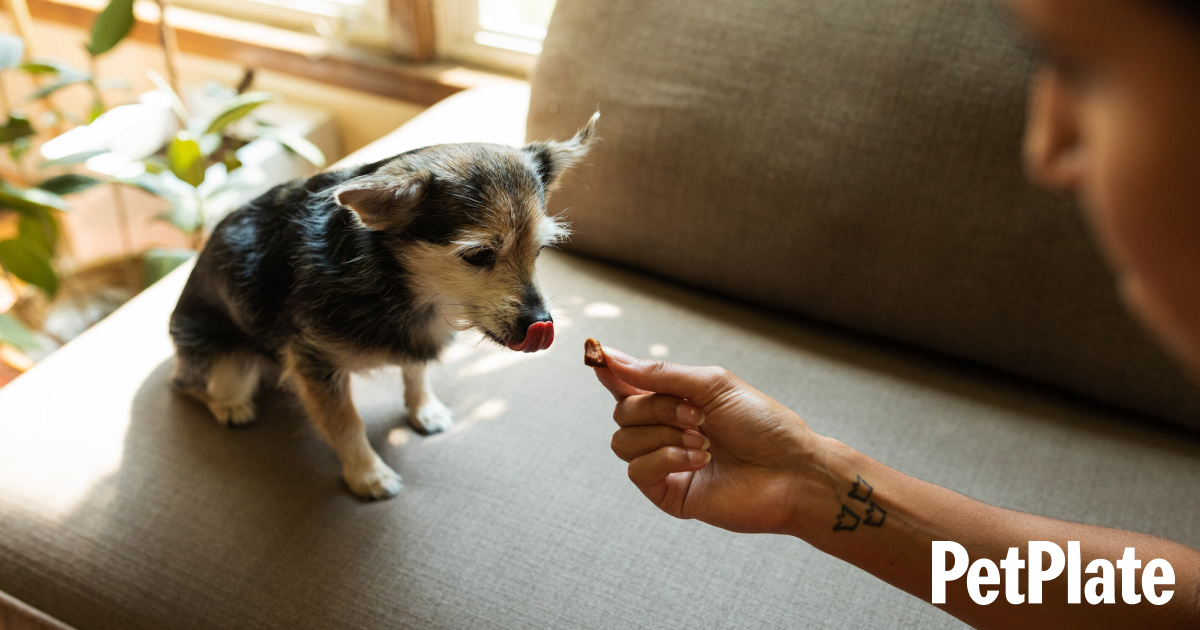
Credit: www.petplate.com
Frequently Asked Questions
Can Old Dogs Learn New Tricks?
Yes, old dogs can learn new tricks. Use patience and consistent training. Reward positive behavior.
How Do You Train An Older Dog Effectively?
Start with basic commands. Use treats and praise. Keep sessions short. Consistency is key.
What Are The Challenges Of Training An Old Dog?
Older dogs may have ingrained habits. Patience and persistence help overcome these. Adjust training for health issues.
Is Professional Training Necessary For Older Dogs?
Not always. Many owners train older dogs at home. Professional help can be useful for difficult behaviors.
Conclusion
Training an old dog is possible. Patience is key. Older dogs can learn new tricks. Use positive reinforcement. Small steps lead to big progress. Consistent practice is crucial. Dogs enjoy learning at any age. Build a strong bond. Training keeps their minds active.
It enriches their lives. Celebrate small victories. Understand your dog's pace. Adapt techniques to suit them. Every dog is unique. Training strengthens your relationship. Invest time in your furry friend. Enjoy the journey together. Create lasting memories. Old dogs can surprise us.
They have wisdom and love to share.