Have you ever wondered if your dog recognizes other dogs of the same breed? It’s a question that sparks curiosity in many pet owners.
You know your furry friend is unique, with its own personality and quirks. But when you’re out for a walk, do you notice your dog acting differently around those that look like it? This topic not only piques interest but also stirs a sense of wonder about the emotional and social world of dogs.
You’ll uncover fascinating insights about canine behavior and breed recognition. Get ready to explore whether your dog might just have a special connection with its own kind, and discover what science has to say about this intriguing aspect of dog psychology.
Canine Breed Recognition
Dogs are often thought to recognize their own breed. Many dog owners wonder if their furry friends can distinguish between other dogs based on breed. This fascinating topic, known as canine breed recognition, explores how dogs perceive other canines. Understanding this can enhance the bond between pet and owner.
Can Dogs Identify Their Own Breed?
Studies suggest dogs might have a sense of breed identity. Some dogs show preferences for interacting with those of their own breed. This behavior indicates a possible recognition ability. Dogs use scent, appearance, and behavior to identify each other. These cues may help them differentiate between breeds.
Role Of Scent In Breed Recognition
Dogs rely heavily on their sense of smell. Scent plays a crucial role in canine interactions. Each breed has unique scent markers. Dogs may identify these markers, associating them with specific breeds. This ability helps them navigate social interactions.
Visual Cues And Breed Recognition
Dogs observe physical traits like size, color, and shape. These visual cues contribute to breed identification. Dogs may recognize familiar breeds through these traits. This recognition can lead to increased interaction or avoidance, depending on the dog's experiences.
Behavioral Recognition Among Dogs
Behavior also influences breed recognition. Certain breeds exhibit distinct behavioral patterns. Dogs may recognize these patterns and associate them with specific breeds. Behavioral recognition can guide their social preferences.
Impact Of Socialization On Breed Recognition
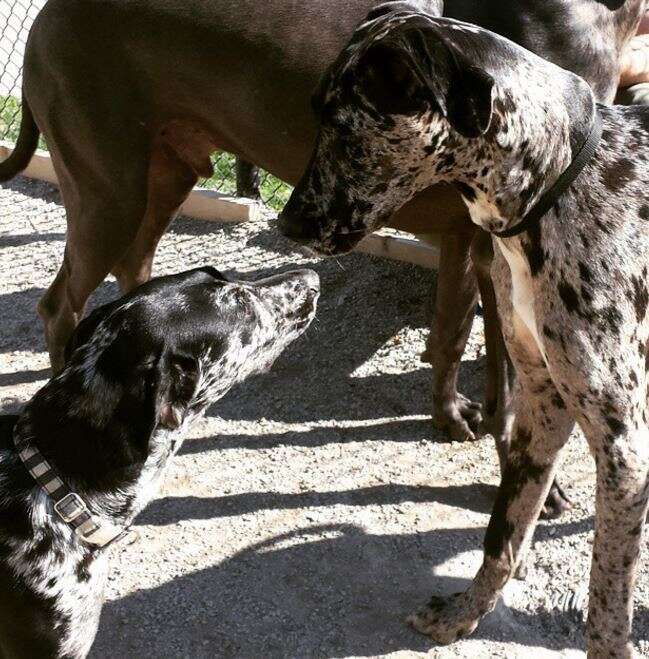
Socialization plays a vital role in a dog's ability to recognize breeds. Exposure to various breeds during early development enhances recognition skills. Dogs learn to identify different breeds through repeated interactions. This learning process shapes their social behavior.
Credit: www.thedodo.com
Factors Influencing Perception
Dogs may recognize others by smell and behavior, not by breed. Their social interactions rely on communication cues. Factors like environment and experiences shape their perception of fellow dogs.
Understanding how dogs perceive their own breed is a fascinating topic. You might wonder if your Golden Retriever recognizes another Golden Retriever or if a Chihuahua knows its fellow breed. Various factors influence a dog's perception, which can be both intriguing and surprising. Let's dive into what shapes this perception.
Genetic Instincts
Dogs carry genetic instincts that guide their behavior. These instincts can affect how they interact with other dogs. A herding breed like a Border Collie may naturally gravitate toward dogs with similar characteristics.
Socialization And Experience
Socialization plays a crucial role in shaping your dog's perception. If your dog frequently interacts with its own breed, it might develop a stronger recognition. This is similar to how humans recognize familiar faces.
Scent Recognition
Dogs have an incredible sense of smell. They use scent as a primary tool for recognition. Your dog might identify its breed through familiar scents, though this is often subconscious.
Visual Cues
Visual cues can also influence perception. Dogs may recognize breeds based on size, coat color, and shape. However, visual recognition is not the strongest sense for dogs compared to smell.
Behavioral Traits
Behavioral traits often signal breed recognition. Watch how your dog interacts with others; they may mimic behaviors typical to their breed. This can be especially evident in playful scenarios.
Training Influence
Your dog's training can impact its breed recognition. Training can enhance a dog's ability to notice subtle differences in other dogs. If you emphasize breed characteristics during training, it might help in recognition. As you observe your dog's interactions, consider these factors. Could your dog be recognizing a friend or simply responding to a familiar behavior? Reflect on your dog's experiences and interactions. How do these shape its perception of other dogs?
Research And Observations
Research suggests dogs might recognize their own breed through appearance and behavior. Observations reveal dogs often interact more with similar-looking dogs. This indicates a potential breed recognition ability.
Understanding whether dogs recognize their own breed is a fascinating topic that has intrigued many pet owners and researchers alike. While there are countless anecdotes about dogs reacting differently to their own kind, scientific evidence is beginning to shed light on this curious behavior. Let's dive into some research and observations that might explain how dogs perceive breeds, including their own.
Research Studies On Dog Breed Recognition
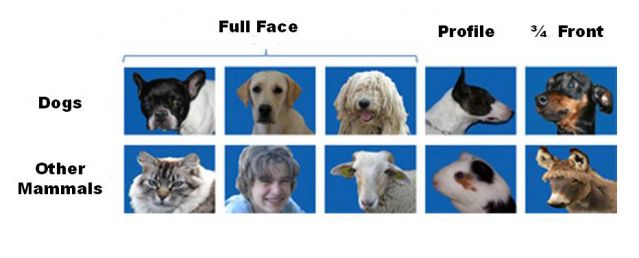
Researchers have conducted various studies to understand how dogs recognize other dogs. They use visual cues, scent, and behavior to identify each other. In some experiments, dogs have been observed to show a preference for interacting with dogs that look similar to them. This suggests that they might have the ability to recognize breeds or physical characteristics they associate with themselves. Interestingly, studies using visual recognition tests have shown that dogs can distinguish between different breeds, even in photographs. This could mean that they can recognize certain traits unique to their breed, but the extent of this recognition varies among individual dogs.
Observational Insights From Dog Owners
Many dog owners report noticing their pets gravitating towards dogs of the same breed during social gatherings. If you’ve ever taken your dog to a park, you might have observed this phenomenon yourself. It raises the question of whether dogs feel a sense of familiarity or comfort with their own kind. Owners often share stories of their dogs exhibiting excitement or an unusual calmness around dogs of their breed. This behavior might be driven by scent recognition or a feeling of security with familiar characteristics. These observations add a personal dimension to the ongoing research, providing insights that go beyond what experiments can capture.
Practical Implications For Dog Socialization
Understanding breed recognition can help you in socializing your dog. If your dog exhibits a preference for certain breeds, consider arranging playdates with those breeds. This could enhance their social experiences and make them feel more comfortable in group settings. When planning dog events, observe your dog’s interactions and preferences. This can offer valuable insights into their social needs and help tailor activities that best suit them. Paying attention to these details can improve your dog’s overall happiness and social well-being.
Thought-provoking Questions
Have you ever wondered what goes through your dog’s mind when they meet another dog? Could there be an unspoken connection based on breed recognition? If dogs indeed recognize their own breed, what does this mean for their emotional and social development? These questions not only spark curiosity but also encourage a deeper understanding of your pet’s behavior. By reflecting on these aspects, you can enhance your relationship with your dog and create more meaningful interactions.
Credit: www.psychologytoday.com

Credit: animalwellnessmagazine.com
Frequently Asked Questions
Do Dogs Know Their Own Breed?
Dogs likely recognize familiar scents and appearances. But identifying their own breed is uncertain.
Can Dogs Recognize Other Dogs Of The Same Breed?
Dogs often recognize similar features and scents. They may show interest in familiar breeds.
How Do Dogs Identify Each Other?
Dogs use scent, body language, and sounds. These help them understand and identify one another.
Do Certain Breeds Have Stronger Recognition Skills?
Some breeds may have sharper senses. This can help in recognizing familiar faces and scents.
Why Do Some Dogs React Differently To Specific Breeds?
It could be past experiences or instincts. Dogs may feel more comfortable or wary around certain breeds.
Conclusion
Dogs may not recognize their breed like humans do. They rely more on scent, sounds, and body language. These cues help them understand each other. Breed recognition isn't essential for their social interactions. Dogs communicate and bond through different means.
Their focus is on personality and behavior. So, whether a dog knows its breed or not, it doesn't matter much to them. They care more about love, play, and companionship. Their world is simpler, yet full of joy and loyalty.
Understanding this can enrich our bond with them. Let's cherish every wag and woof.