Have you ever looked into your dog's eyes and wondered about their breed? You're not alone.
Many dog owners find themselves curious about their furry friend's origins. Understanding your dog's breed can be more than just satisfying curiosity; it can help you better cater to their health, behavior, and training needs. Imagine knowing exactly why your dog acts the way they do or how to ensure they live a long, happy life.
This knowledge isn't just fascinating—it's practical and beneficial. We'll explore simple ways for you to uncover your dog's breed, so you can deepen your bond and meet their unique needs. Ready to unlock the secrets of your dog's lineage? Let's dive in and discover the tools you need to become the ultimate dog detective.
Credit: www.pawaii.com
Visual Clues
Identifying your dog's breed involves observing physical traits like coat color, size, and ear shape. Tail style and body structure can provide additional insights. These visual clues often reveal a lot about a dog's lineage and breed characteristics.
Identifying your dog's breed can be an exciting journey, and visual clues often provide some of the most accessible insights. By observing certain characteristics, you can start piecing together the puzzle of your furry friend's lineage. These clues can range from physical traits to behavioral quirks, offering a fascinating glimpse into their breed history.
Physical Features
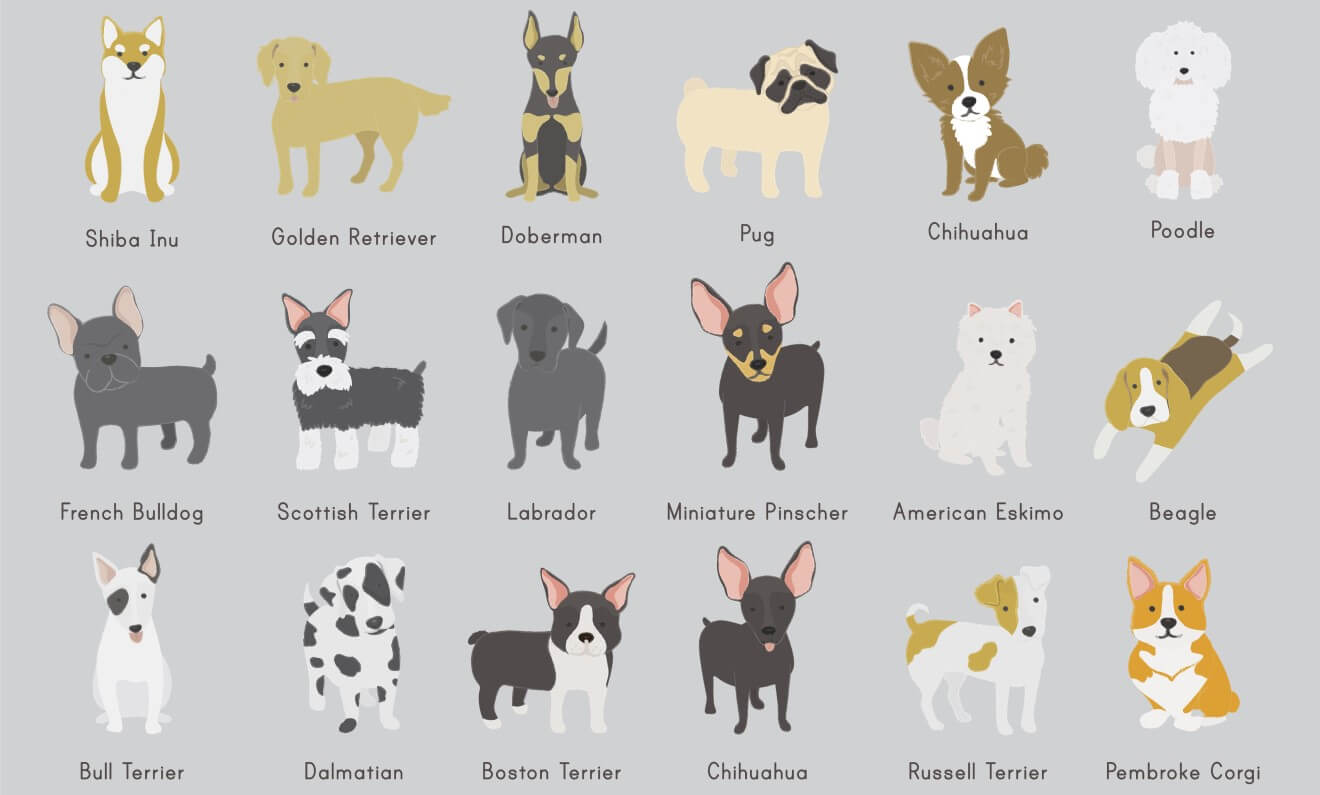
One of the first things you might notice are the physical features of your dog. Look at the size and shape of their ears. Are they floppy like a Beagle's or erect like a German Shepherd’s? Examine the coat type and color. Is it long and fluffy like a Golden Retriever or short and smooth like a Dalmatian? Your dog's tail can also be telling. A curly tail might suggest a Pug ancestry, while a straight tail could point towards a Labrador.
Facial Characteristics
The face is another area to focus on. Does your dog have a short muzzle like a Bulldog or a long snout akin to a Greyhound? Eye shape and color can be clues too. Almond-shaped eyes might hint at a Siberian Husky, while a rounder eye could suggest a Cocker Spaniel. Consider the jawline and forehead structure. A defined jaw could indicate a Boxer, whereas a more rounded face might suggest a Shih Tzu.
Body Structure And Size
Body structure and size are significant indicators. Is your dog stocky and muscular like a Pit Bull, or lean and agile like a Whippet? Observe the height and weight. A small, compact size might suggest a Dachshund, while a larger frame could indicate a Great Dane. The proportion of legs to body is also helpful. Long legs might suggest a Greyhound, while shorter legs could point to a Basset Hound.
Movement And Behavior
Sometimes, behavior offers clues too. Does your dog have a herding instinct like a Border Collie or a retrieving tendency like a Labrador? Consider their energy levels. Are they calm and dignified like a Shih Tzu or energetic and playful like a Jack Russell Terrier? Watch how they interact with other dogs and humans. A protective nature might suggest a Rottweiler, while a friendly disposition could indicate a Golden Retriever. Remember, identifying a breed through visual clues is not always straightforward. Have you ever noticed unexpected traits in your dog that hint at a surprising lineage? Embrace the mystery, and let each discovery deepen the bond between you and your canine companion.
Dna Testing
Discovering your dog's breed can be a fascinating journey, especially with the advent of DNA testing. This cutting-edge technology allows you to delve into your dog's genetic makeup, offering a precise breed identification. Imagine the excitement as you learn more about your furry friend's ancestry and possibly uncover unexpected traits.
Understanding Dna Testing
DNA testing for dogs involves collecting a small sample of your dog's saliva or cheek cells. This sample is then analyzed in a lab to determine your dog's genetic markers. These markers are compared against a database of known dog breeds to provide a detailed report of your dog's lineage.
This process is straightforward and non-invasive. You can easily perform the test at home with a kit purchased online or from pet stores. The kit usually includes a swab and instructions, making it simple for anyone to use.
Benefits Of Dna Testing
Knowing your dog's breed can enhance your understanding of their behavior and health needs. Breed-specific traits can influence everything from energy levels to dietary requirements. By identifying these traits, you can tailor your care approach, ensuring your dog leads a happy and healthy life.
Additionally, DNA testing can reveal potential genetic health risks. This insight allows you to take proactive steps in managing your dog's health, potentially extending their lifespan and improving their quality of life.
Choosing The Right Dna Test
With numerous DNA test kits available, how do you pick the right one? Consider factors such as accuracy, comprehensiveness, and customer reviews. Some tests may offer more detailed breed breakdowns or additional health insights.
It might be helpful to read testimonials from other dog owners. Their experiences can guide you in selecting a test that offers reliable results and valuable information. A well-researched choice ensures you get the most out of your investment.
What Will You Discover?
Imagine the moment when you receive your dog's DNA results. Will you discover a lineage of noble hunting dogs or perhaps a mix of charming lapdogs? The possibilities can be intriguing and surprising.
DNA testing can also confirm suspicions or dispel myths about your dog's breed. Have you ever wondered why your dog behaves a certain way or has a unique physical trait? The test might provide answers, enhancing your bond with your pet.
As you consider DNA testing, think about what you hope to learn. Are you curious about your dog's ancestry, or are you seeking health insights? Whatever your motivation, DNA testing offers a window into your dog's genetic story.
Consulting A Veterinarian
Identifying your dog's breed can sometimes be challenging. Consulting a veterinarian is an effective way to find answers. Their expertise helps in understanding your dog's unique characteristics.
A veterinarian has extensive knowledge about different dog breeds. They use physical traits and behavior to identify breeds. Their experience aids in making accurate assessments.
Why Choose A Veterinarian?
Veterinarians are skilled in analyzing breed-specific features. They consider aspects like size, coat type, and temperament. This helps in narrowing down potential breeds.
What To Expect During A Visit
During your visit, the vet will examine your dog's physical traits. They might ask about your dog's behavior and habits. This information helps in identifying the breed.
The Role Of Genetics
Genetic testing can be part of the process. Vets can recommend genetic tests for precise breed identification. These tests provide detailed insights into your dog's heritage.

Credit: greensafaris.com

Credit: www.howimetmydog.com
Frequently Asked Questions
How Can I Identify My Dog's Breed?
Consider physical traits like size, color, and ear shape. Use online tools or DNA tests for accuracy.
Are Dog Breed Identification Apps Reliable?
They offer a rough estimate based on photos. For better results, try DNA testing or expert evaluation.
Do Mixed Breeds Show Traits Of All Parent Breeds?
Yes, mixed breeds often exhibit characteristics from both parent breeds. Traits vary with genetics and environment.
Can Veterinarians Help With Breed Identification?
Yes, veterinarians can make educated guesses based on physical attributes. They might recommend DNA tests for certainty.
Conclusion
Discovering your dog's breed can be exciting and informative. Understanding its traits helps in better care and training. Use DNA tests for more accurate results. Observe physical features and behavior for clues. Consult a vet or dog expert for guidance.
Remember, every dog is unique and special. Breed knowledge enhances the bond with your furry friend. Enjoy the journey of discovery. Celebrate your dog's individuality. Each moment spent together is precious. Embrace the joy and love they bring. Your dog's breed is part of their story.
Cherish it.