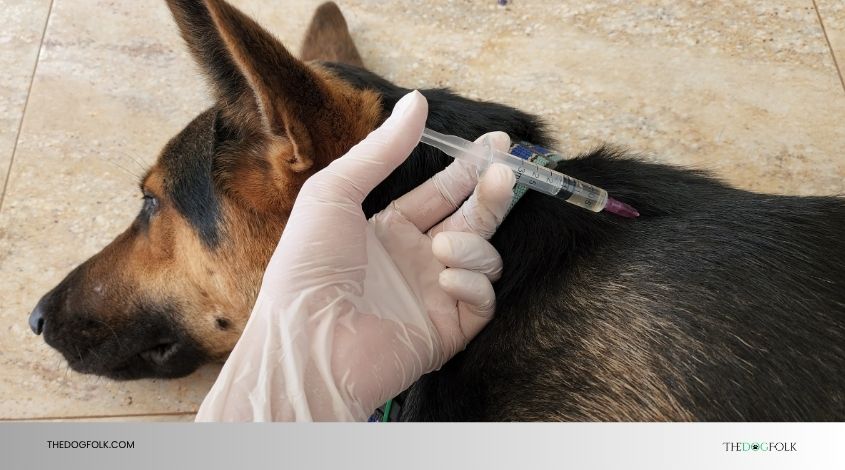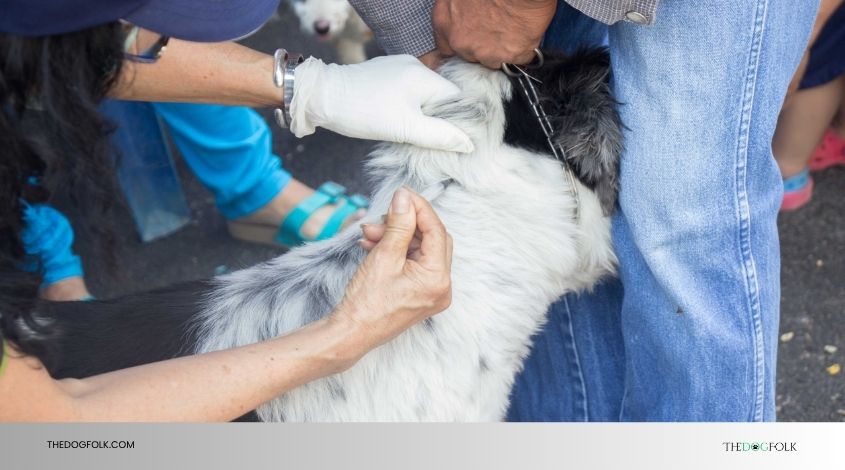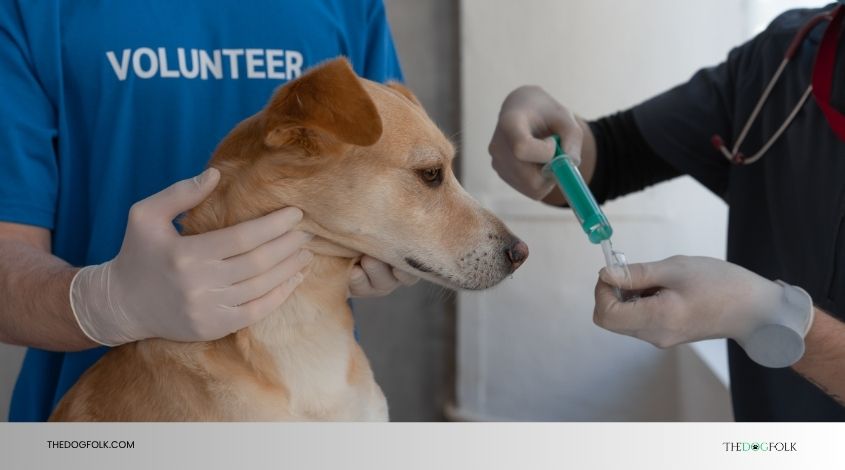
Imagine taking your furry friend for a walk in the park, knowing they're protected against dangerous diseases. As a dog owner, you care deeply about your pet's health and safety.
But when it comes to rabies vaccinations, questions often arise. Do dogs really need the rabies vaccine every year? This question might have crossed your mind at the vet's office or during a conversation with fellow pet lovers. Understanding the ins and outs of rabies vaccinations can feel overwhelming, yet it's crucial for your dog's wellbeing.
We will explore the facts and myths surrounding rabies vaccines, helping you make informed decisions for your beloved pet. Keep reading to discover what experts say and how you can ensure your dog stays happy and healthy.
Rabies Vaccine Importance
The rabies vaccine is crucial for your dog's health. Rabies is a deadly virus affecting the brain. It's transmitted through bites from infected animals. Protecting dogs with a rabies vaccine is vital. It prevents the spread of this dangerous disease. Vaccination is a key component in safeguarding public health. This vaccine protects not only your pet but also your community.
Why Rabies Is A Serious Concern
Rabies is a severe disease with no cure once symptoms appear. It poses a threat to both animals and humans. The virus spreads through saliva during bites. Without immediate treatment, it is often fatal. Vaccinating dogs creates a protective barrier. It stops the virus from spreading further.
How Rabies Vaccination Protects Dogs
The rabies vaccine trains the dog's immune system. It helps the body recognize and fight the virus. When vaccinated, dogs develop antibodies. These antibodies neutralize the virus if exposed. Regular vaccination ensures a high level of protection. It maintains immunity over time.
Rabies Vaccine And Public Health
Vaccinating dogs is crucial for public safety. It reduces the risk of rabies transmission. By vaccinating, you protect family members and neighbors. It helps keep local wildlife populations safe too. Community-wide vaccination efforts lower rabies cases significantly. This makes neighborhoods safer for everyone.
Legal Requirements And Rabies Vaccination
Many regions require rabies vaccination by law. These laws aim to control and prevent outbreaks. Non-compliance can lead to fines or penalties. Keeping your dog's vaccination up to date is important. It ensures you meet legal obligations. It also provides peace of mind for pet owners.
:strip_icc()/how-long-are-rabies-shots-good-3385625_FINAL-b3b90b78675e4a9ca4102b405fecf74c.jpg)
Credit: www.thesprucepets.com
Frequency Of Vaccination
Vaccinations are crucial for your dog's health. Rabies is a serious disease. It can be fatal. Vaccinating dogs against rabies is essential. Understanding the frequency of vaccination is important. It ensures your pet's safety and complies with laws.
Rabies Vaccination Guidelines
Different places have different rules. Most regions require rabies shots for dogs. Some places require yearly shots. Others may have a three-year schedule. It's vital to know local regulations. Consult your vet for specific advice.
Factors Influencing Vaccination Frequency
Age and health can influence vaccine schedules. Puppies need shots more often. Older dogs might have a different schedule. Your vet considers these factors. They provide the best advice for your pet.
Risks Of Over-vaccination
Over-vaccination can cause health issues. It may lead to allergic reactions. Some dogs might experience side effects. It's important to follow the recommended schedule. Always discuss concerns with your vet.
Consulting With Your Veterinarian
Your vet is your best resource. They understand your dog's needs. They know local laws. Regular check-ups ensure your dog stays healthy. Always keep vaccination records up-to-date. This helps in emergencies and travel.
Factors Affecting Vaccination Schedule
Determining the right vaccination schedule for dogs involves several factors. Understanding these factors can help ensure your pet's health and safety. Rabies vaccines are crucial, but the frequency can vary. Different elements can influence how often your dog needs a rabies vaccine.
Geographical Location
Your dog's location can affect vaccination needs. Some regions have higher rabies risks. If your area reports frequent rabies cases, annual vaccination might be necessary. Locations with fewer cases may have different requirements.
Local Regulations
Local laws play a role in vaccination schedules. Some areas mandate yearly rabies vaccines. Others may have longer intervals between doses. Always check local regulations to stay compliant. This ensures your dog remains protected.
Dog's Health And Age
Your dog's age and health impact vaccination frequency. Puppies often need more vaccines to build immunity. Older dogs may have established protection. Health conditions can also affect their vaccination needs. Consult your vet for personalized advice.
Veterinarian's Recommendations
Veterinarians provide expert guidance on vaccination schedules. They consider your dog's lifestyle and health. Regular check-ups allow vets to assess your dog's immunity levels. They can suggest the most suitable schedule for your pet.
Rabies Vaccine Type
Different vaccines have varied durations of effectiveness. Some offer protection for one year. Others may last up to three years. Discuss vaccine types with your vet. They can recommend the best option for your dog's needs.
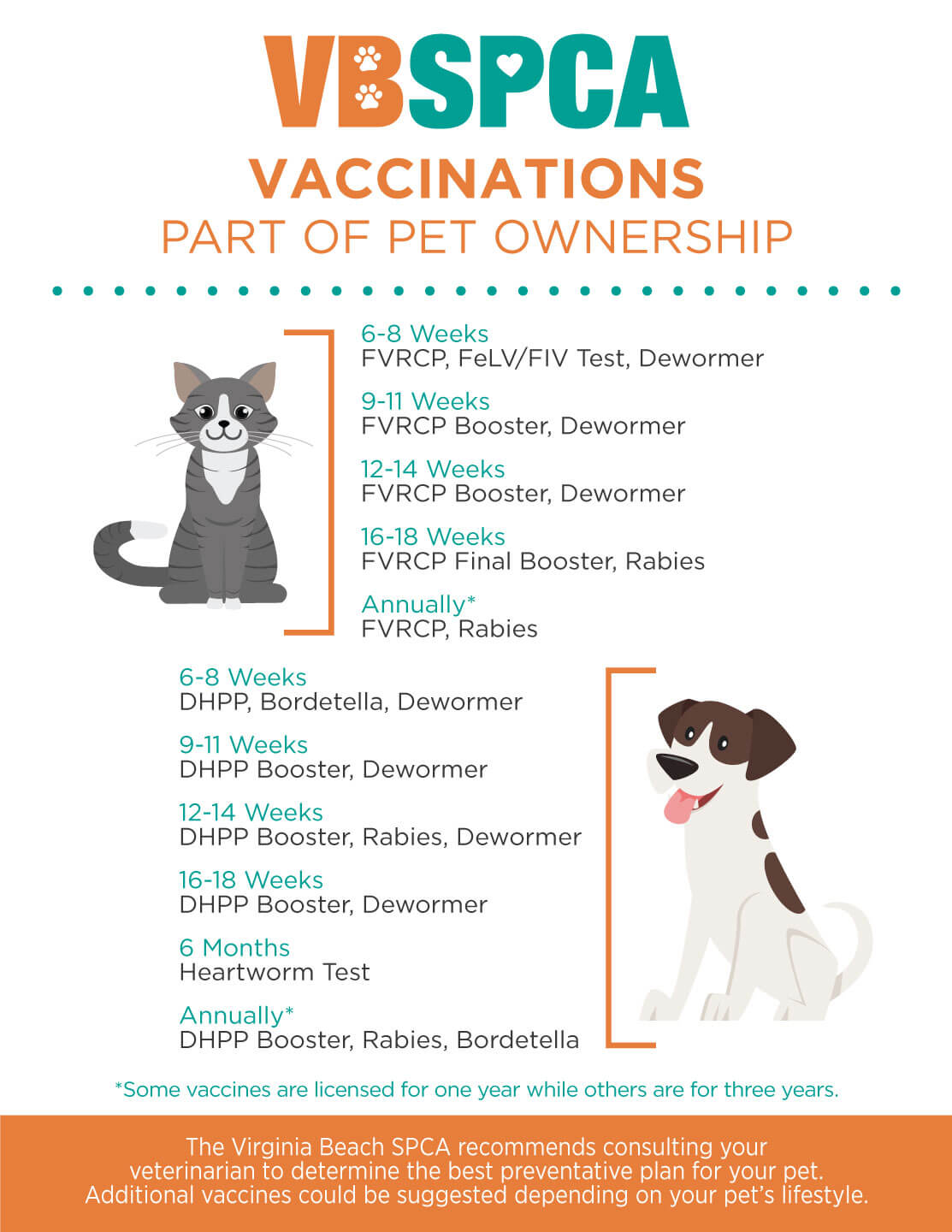
Credit: vbspca.com

Credit: www.npr.org
Frequently Asked Questions
How Often Should Dogs Get Rabies Shots?
Dogs usually need rabies shots every one to three years. It depends on local laws and vaccine type.
Is Rabies Vaccination Mandatory For Dogs?
Yes, rabies vaccination is mandatory in most places. It prevents the spread of this deadly disease.
What Are The Risks Of Skipping Rabies Vaccination?
Skipping rabies vaccination risks health. Unvaccinated dogs can contract rabies and spread it to humans and other animals.
Do All Dogs Require Annual Rabies Vaccinations?
Not all dogs need annual rabies shots. Some vaccines offer protection for up to three years.
How Can I Tell If My Dog Needs A Rabies Vaccine?
Check local laws and your vet's advice. They guide you on the required vaccine schedule for your dog.
Conclusion
Rabies vaccination is vital for your dog's health. It protects against a deadly disease. Regular vet visits help determine the best vaccination schedule. Some dogs need annual shots. Others may require them less frequently. Always follow your vet's advice. Keeping your dog vaccinated ensures safety for both pets and people.
It's a simple step that prevents serious risks. Don't skip it. Stay informed and proactive. Protect your furry friend and community. Vaccines play a key role in pet care. Make rabies prevention a priority. Your dog deserves a healthy life.