Imagine having a partner who never misses a clue, always follows commands, and has a nose that can detect even the faintest scent. That's the incredible world of police dogs.
These remarkable animals are more than just pets; they are trained professionals playing a crucial role in law enforcement. But how do these dogs transform from playful puppies into disciplined officers of the law? How do they learn to find hidden drugs, track down criminals, and even save lives?
You might be curious about the secrets behind their training. Perhaps you're wondering if your own dog could learn a few tricks from these skilled canines. You'll discover the fascinating techniques and rigorous processes that shape these dogs into heroes. Whether you're a dog lover, a law enforcement enthusiast, or just curious, this journey into the world of police dog training will captivate your interest. Get ready to uncover the secrets behind their extraordinary abilities!
Credit: undark.org
Training Techniques
Training police dogs is a fascinating process that combines skill, patience, and dedication. These dogs aren't just born to serve; they undergo rigorous training to become the loyal and competent partners in crime prevention that we see today. If you've ever wondered how these canine heroes are prepared for their vital roles, let's dive into the techniques used to train police dogs.
Setting The Foundation
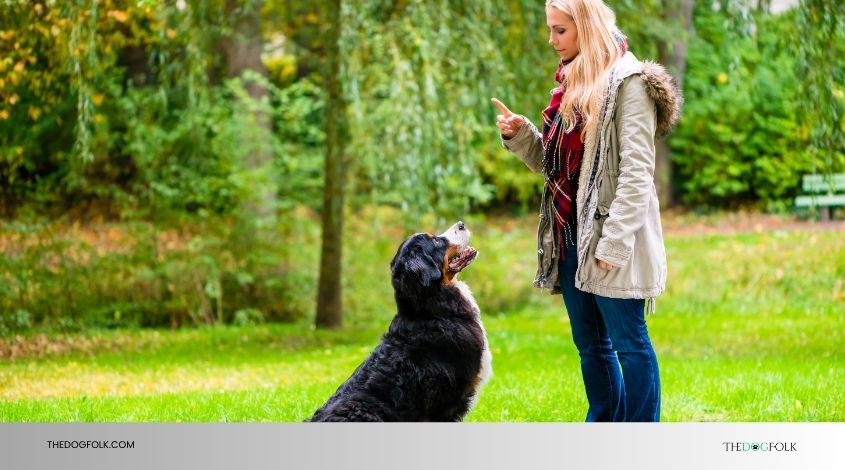
Police dog training starts with basic obedience. Without a solid foundation, advanced techniques can't be effectively taught. Trainers focus on simple commands like sit, stay, and come. Imagine teaching a young puppy to follow your lead; it requires consistency and repetition.
Have you ever tried training your pet at home? Consider the patience it takes to teach them to sit. Now, multiply that by ten to get an idea of what's involved in police dog training.
Socialization Skills
Socialization plays a crucial role in police dog training. Dogs are introduced to different environments, people, and sounds. This exposure ensures they remain calm and focused in any situation. You might recall your first experience in a crowded place; it's overwhelming at first. Dogs need to feel comfortable and undistracted, no matter the chaos around them.
Trainers often take dogs to busy public areas and use positive reinforcement to encourage calm behavior. Would your dog react calmly if surrounded by a crowd? Police dogs must be unwaveringly composed.
Specialized Training
Once the basics are mastered, dogs move on to specialized training. This includes scent detection, tracking, and protection work. Each dog has its unique strengths and is trained accordingly. For example, some dogs excel in sniffing out explosives, while others might be better at tracking criminals.
Have you ever watched a police dog at work? Their focus and determination are awe-inspiring. Training them for specific tasks requires keen insight into their abilities and interests.
Continuous Evaluation
Training doesn't stop once a dog joins the force. Continuous evaluation ensures they stay sharp and effective. Regular assessments help identify areas for improvement and reinforce existing skills. Think about how you maintain your own skills—practice keeps you proficient.
Dogs undergo periodic training sessions to refine their abilities. How do you keep your skills up to date? For police dogs, ongoing training is key to their success.
Training a police dog is a journey that demands dedication and expertise. The techniques used are both foundational and specialized, ensuring these dogs are ready for anything. Next time you see a police dog, you'll appreciate the extensive training behind their calm demeanor and sharp skills.
Credit: leerburg.com
Key Skills Developed
Police dogs play a vital role in law enforcement. They assist officers in various tasks. Training these dogs involves developing key skills. These skills help them perform their duties effectively. Each skill is taught with precision. Let's explore these essential skills developed during training.
Obedience
Obedience is crucial for police dogs. They learn to follow commands without hesitation. Trainers use specific techniques. Commands are taught using positive reinforcement. This builds trust between the dog and handler. Obedience ensures the dog responds accurately. It forms the foundation of all other skills.
Tracking
Tracking is another essential skill. Police dogs have an exceptional sense of smell. They learn to follow scent trails. Trainers use various methods to enhance this ability. Tracking helps locate missing persons. It also aids in finding criminals. The skill is refined through consistent practice.
Detection
Detection involves identifying specific scents. Dogs are trained to detect drugs and explosives. Trainers expose them to different smells. This process requires patience and focus. Detection skills are crucial for safety measures. They prevent potential threats in public areas.
Protection
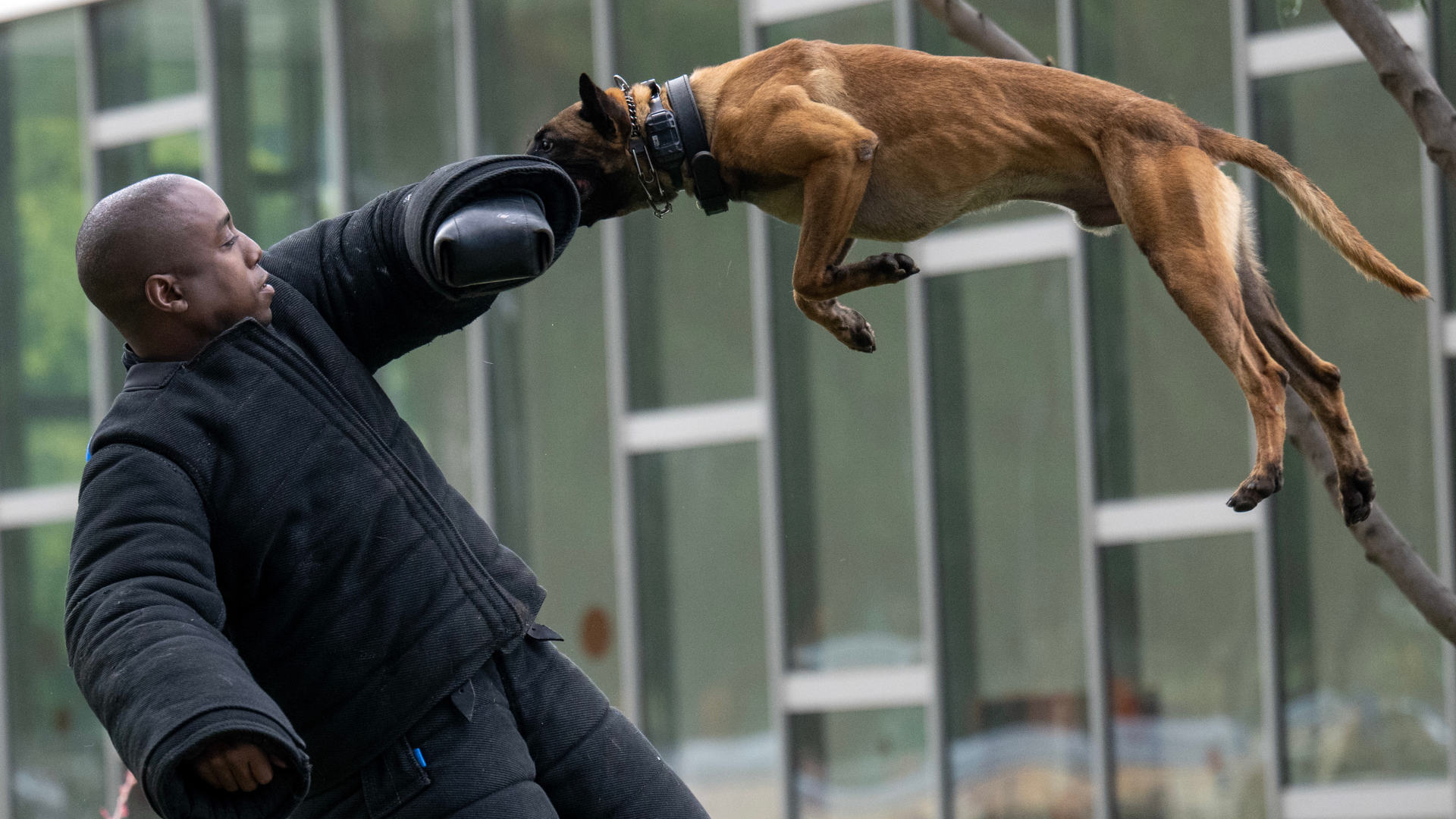
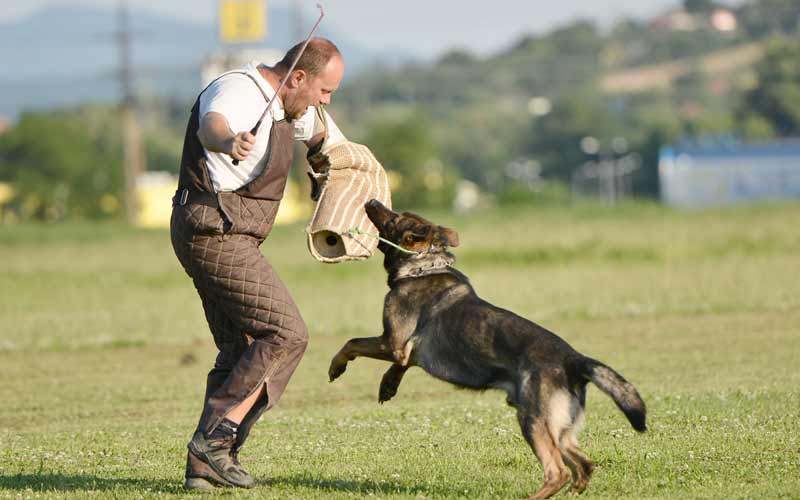
Protection skills keep officers safe. Police dogs learn to protect their handlers. They are trained to apprehend suspects. Trainers teach them to assess situations. Protection involves controlled aggression. This skill is vital during confrontations. It ensures the safety of both the dog and officer.
Search And Rescue
Search and rescue is a specialized skill. Police dogs locate individuals in distress. They are trained to navigate various terrains. This skill requires strength and endurance. Search and rescue missions save lives. It is a rewarding aspect of police dog duties.
Role In Law Enforcement
Police dogs play an essential role in law enforcement, acting as both protectors and skilled investigators. Their keen senses and unwavering loyalty make them invaluable assets in crime-solving and public safety. But have you ever wondered what goes into training these dedicated canine officers? Let's delve into their integral role in law enforcement and the rigorous training they undergo to serve and protect.
Police dogs, or K9s, are trained to handle various tasks that assist officers in their duties. They excel in tracking down suspects, detecting narcotics, and even finding explosives. Their powerful sense of smell allows them to identify scents that humans cannot perceive, making them indispensable in search and rescue missions.
Imagine you're on a hike and get lost in a dense forest. A trained police dog can track your scent to bring you back safely. This ability is not just about sniffing out criminals—it's about saving lives. Have you ever considered how many missing persons have been found thanks to these remarkable animals?
Training Process
Training a police dog begins with basic obedience skills. They learn commands like sit, stay, and come. These foundational skills ensure that the dogs respond instantly to their handlers, a crucial aspect in high-pressure situations.
Once obedience is mastered, specialized training is introduced. Dogs are taught to recognize specific scents associated with drugs or explosives. They also learn to ignore distractions, focusing solely on their task. Have you ever seen a police dog in action, wholly engrossed in its mission, even in chaotic environments?
Physical And Mental Conditioning
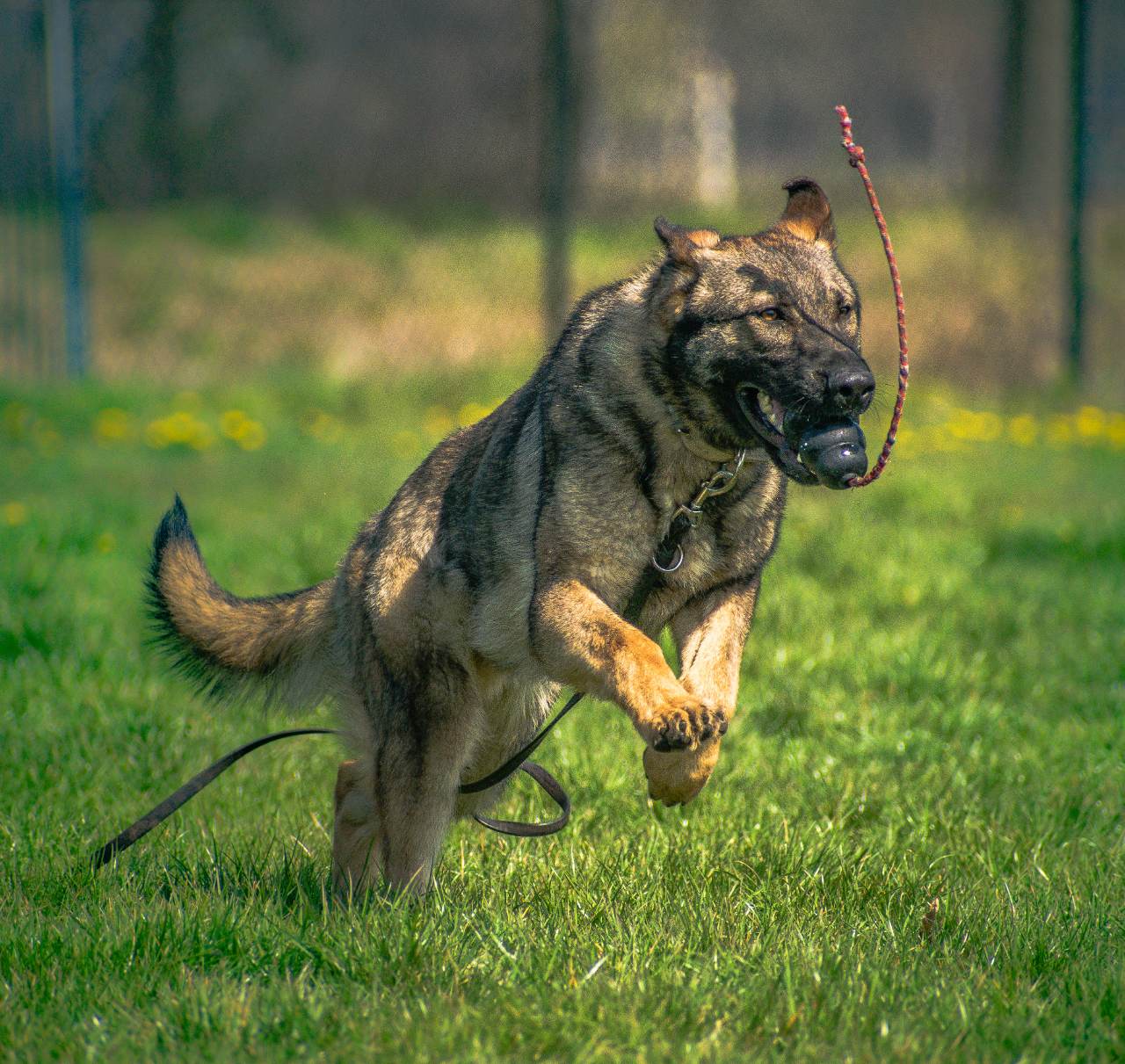
Police dogs undergo rigorous physical conditioning to maintain their agility and endurance. They need to be fit to chase suspects or cover large areas during search operations. This conditioning includes running, jumping, and obstacle courses.
Besides physical fitness, mental conditioning is equally important. Dogs are trained to stay calm under pressure. They learn to trust and bond with their handlers, ensuring seamless teamwork. Would you trust a partner with your life? For these dogs, the answer is always yes.
Continuous Evaluation And Adaptation
Training is an ongoing process. Police dogs are continually evaluated to ensure their skills remain sharp. Handlers adapt training techniques based on the dog's strengths and weaknesses. This continuous improvement ensures that the dogs remain at the top of their game.
Consider the dedication involved in maintaining such high standards. It’s a testament to the commitment of law enforcement agencies and the dogs themselves. How do you think this bond between dog and handler impacts their effectiveness in the field?
Police dogs are truly remarkable, playing a crucial role in keeping communities safe. Their training is a blend of discipline, trust, and skills that enable them to perform their duties with unwavering precision. Next time you see a police dog, remember the extensive training and dedication behind those loyal eyes.
Credit: k10workingdogs.com
Frequently Asked Questions
How Long Does Police Dog Training Take?
Training usually takes between 8 to 12 weeks. It can vary based on the dog's breed and role.
What Skills Are Police Dogs Taught?
Police dogs learn tracking, searching, and protection skills. They are trained for obedience and working in challenging environments.
Are Police Dogs Trained For Scent Detection?
Yes, they learn to detect drugs, explosives, and other scents. Their keen sense of smell is crucial for investigations.
Do Police Dogs Have A Specific Diet During Training?
Yes, they have a balanced diet. It supports their energy, health, and training performance. Proper nutrition is essential.
Conclusion
Police dogs play a vital role in law enforcement. Their training requires patience and skill. Trainers focus on obedience, scent detection, and agility. Each dog learns unique tasks based on their abilities. This process builds trust between dog and handler.
Hard work results in reliable police partners. People feel safer knowing these dogs are well-trained. Understanding their training increases appreciation for their service. These canine heroes help keep communities safe every day. Their dedication is inspiring. Police dogs are more than animals; they're skilled allies in crime prevention.
Their presence is a testament to teamwork and dedication.