Have you ever wondered if you can vaccinate your own dog? You love your furry friend and want the best for them.
Vaccinations are crucial for keeping them safe and healthy, but the thought of doing it yourself might seem daunting. You might be asking, "Is it possible? Is it safe? " These questions are important and deserve clear answers. By the end of this article, you'll understand whether vaccinating your dog at home is a viable option for you.
You'll learn about the risks, the benefits, and the steps involved. So, let's unravel the truth together and see what’s best for your beloved pet. Dive in to make the most informed decision for your dog's well-being.
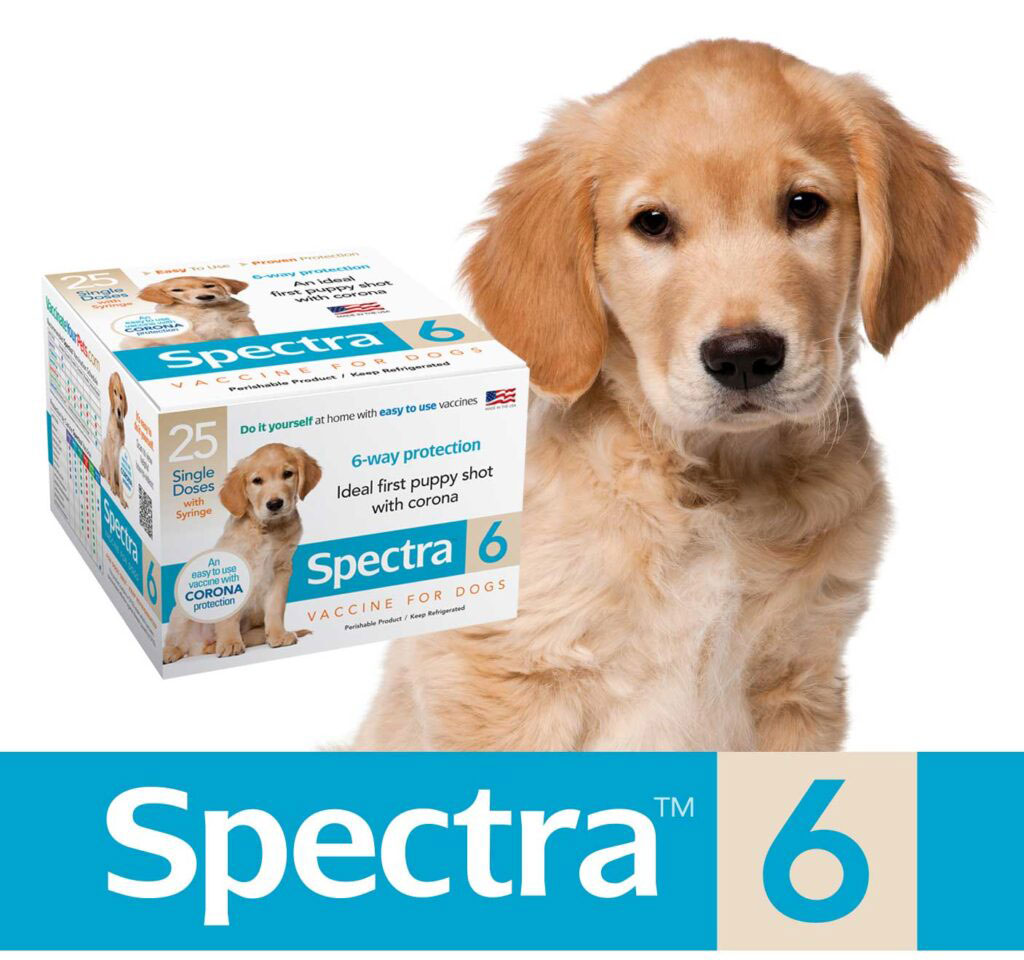
Credit: vaccinateyourpets.com
Home Vaccination Pros And Cons
Vaccinating your dog at home can be convenient and save money. Concerns include proper dosage and potential adverse reactions. Consulting a vet ensures safety and effectiveness, providing peace of mind for your pet's health.
Vaccinating your dog at home can seem like a convenient option. As a pet owner, you might think it saves time and money. But is it truly a safe and effective choice? Understanding the pros and cons of home vaccination can help you make an informed decision for your furry friend.
Pros Of Home Vaccination
Doing vaccinations at home can be less stressful for your dog. They stay in a familiar environment, which may reduce anxiety. You also have control over the timing. You can schedule vaccinations around your dog’s routine, minimizing disruptions. Cost is another factor. Home vaccination kits might be cheaper than vet visits. But remember, saving money shouldn't come at the expense of your dog's health.
Cons Of Home Vaccination
On the flip side, home vaccination has downsides. Accuracy is crucial, and without professional guidance, there's a risk of improper administration. Vets offer comprehensive checks before vaccinations. They can spot health issues that might go unnoticed at home. Missing these checks could affect your dog's health in the long run. There's also the question of legality. Are you allowed to vaccinate your dog at home? Regulations vary, and using unauthorized vaccines might be illegal.
Should You Vaccinate Your Dog At Home?
Consider your own experience. Have you ever administered a vaccine before? If not, practice and proper training are essential. Ask yourself: are you comfortable doing this? It’s not just about saving time or money, it's about ensuring your dog's well-being. Reach out to your vet for advice. They can guide you through the process or recommend alternatives. Your dog relies on you for their health decisions. Choose what's best for them, not just what's convenient for you.

Credit: www.smallanimalclinic.com
Steps For Vaccinating Your Dog
Vaccinating your dog at home can be a cost-effective choice. It requires careful attention and the right steps to ensure safety. Always consult your vet before beginning this process. Your dog's health is important. Proper vaccination keeps them safe from diseases. Follow these steps carefully to vaccinate your dog.
Step 1: Gather Necessary Supplies
Before vaccinating, collect all necessary supplies. You need the vaccine, a syringe, and a needle. Also, have cotton balls and alcohol ready. These items are essential for a clean and safe process.
Step 2: Read And Follow Instructions
Every vaccine comes with instructions. Read them thoroughly. Ensure you understand the dosage and administration method. Following instructions prevents mistakes. It ensures your dog receives the correct dose.
Step 3: Prepare The Vaccine
Keep the vaccine at the recommended temperature. Use a clean syringe to draw the vaccine. Ensure no air bubbles are present. This step is crucial for safety. Incorrect preparation can harm your dog.
Step 4: Choose The Injection Site
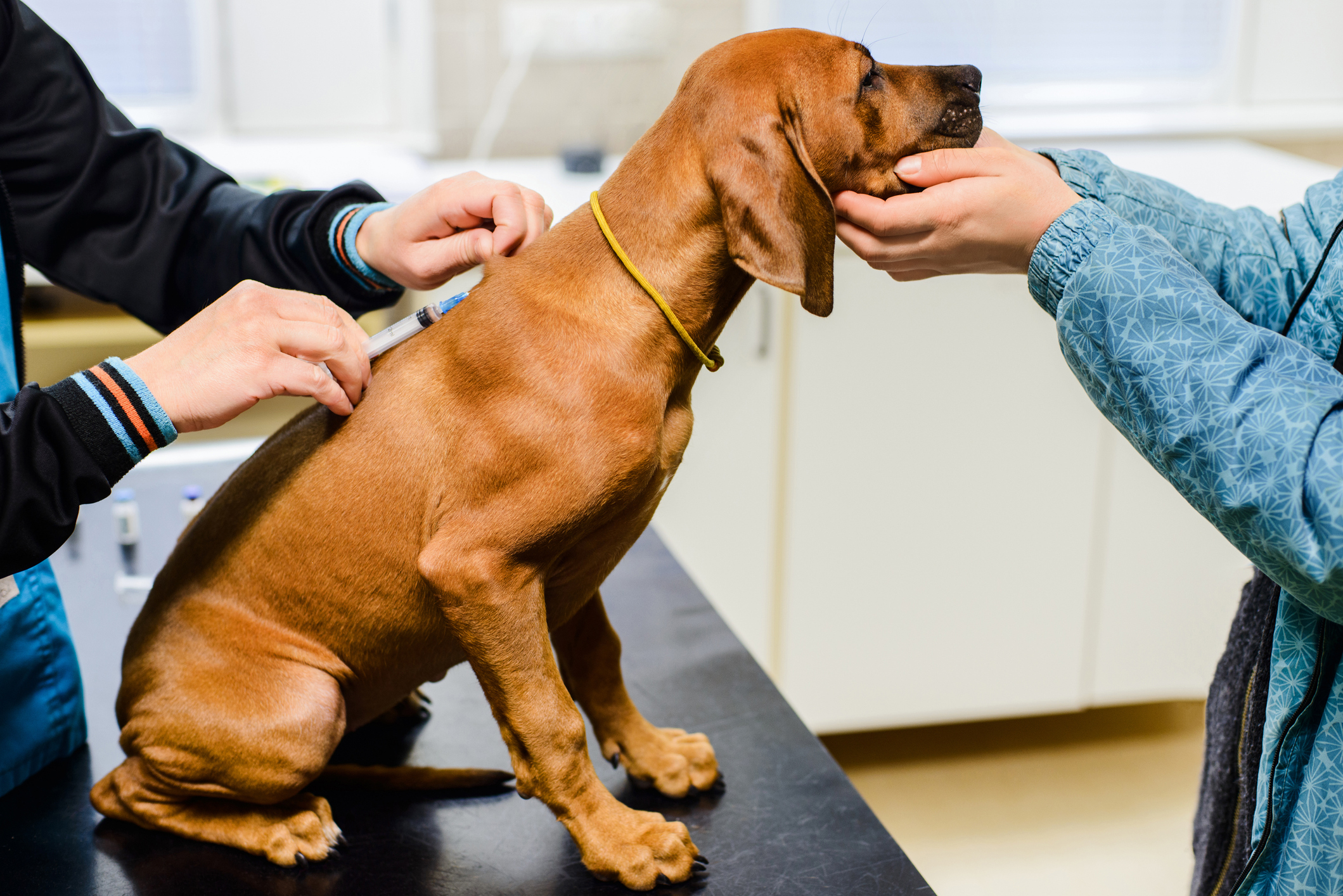
Most vaccines are given under the skin. The loose skin on the back of the neck is ideal. Ensure the site is clean. Use an alcohol-soaked cotton ball to disinfect the area. This reduces the risk of infection.
Step 5: Administer The Vaccine
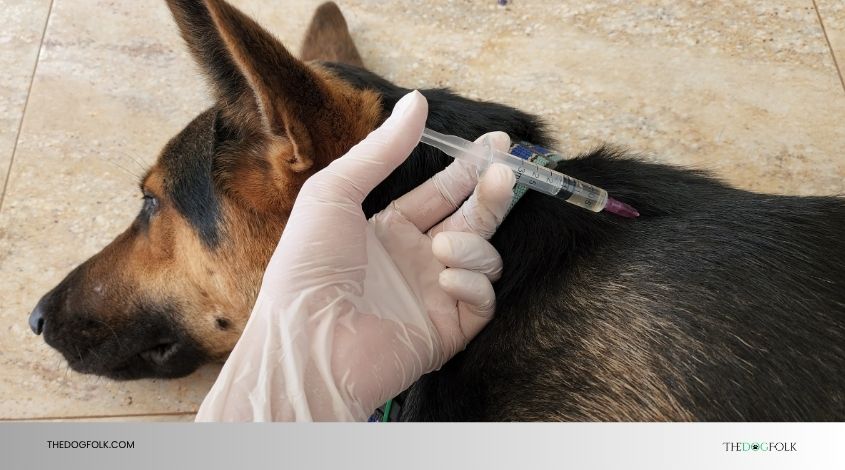
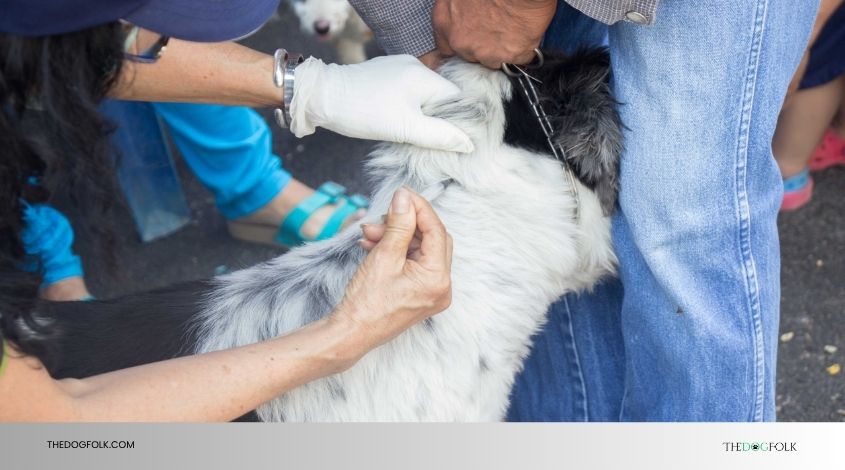
Gently lift the skin to form a tent. Insert the needle under the skin. Push the plunger slowly and steadily. Ensure the entire dose is administered. Remove the needle and dispose of it safely.
Step 6: Observe Your Dog
After vaccination, watch your dog closely. Look for any adverse reactions. Symptoms like swelling or lethargy need attention. Contact your vet if you notice anything unusual. Your dog's safety is top priority.
When To Consult A Veterinarian
Vaccinating your dog is crucial for their health. But deciding when to consult a veterinarian is important. Many pet owners wonder about doing it themselves. It's not always straightforward. Some vaccines require professional handling. A vet ensures the right approach and timing. Consulting them protects your pet from risks.
Understanding Vaccine Types
Different vaccines serve different purposes. Core vaccines are essential for all dogs. Non-core vaccines depend on lifestyle and environment. A vet knows what your dog needs. They guide you through the options.
Recognizing Allergic Reactions
After vaccinations, dogs might show allergic reactions. These can be mild or severe. A vet can identify symptoms quickly. They offer immediate treatment if needed. It's important for your dog's safety.
Proper Storage And Handling
Vaccines need correct storage conditions. They must be kept at specific temperatures. Mishandling affects their effectiveness. A veterinarian has the right equipment. They ensure vaccines are stored properly.
Administering Booster Shots
Booster shots are vital for lasting protection. Timing varies for each dog. A vet schedules these shots accurately. They keep track of your dog's vaccination record.
Managing Side Effects
Some dogs may experience side effects post-vaccination. These can include fever or swelling. A vet can manage and mitigate these effects. They offer guidance for your dog's comfort.
Credit: www.bu.edu
Frequently Asked Questions
Can I Legally Vaccinate My Own Dog?
Vaccinating your dog yourself is generally not recommended. Professional vets ensure proper dosage and administration.
What Vaccines Are Essential For Dogs?
Core vaccines include rabies, distemper, and parvovirus. Consult your vet for a personalized vaccination schedule.
Are There Risks In Self-vaccinating Dogs?
Yes, incorrect administration can lead to health issues. Professional vet care ensures safe and effective vaccination.
How Often Should Dogs Get Vaccinated?
Puppies need several rounds. Adult dogs typically get boosters annually or every three years.
Can I Buy Dog Vaccines Online?
Yes, but it's risky. Quality and authenticity vary. Always consult your vet before purchasing vaccines.
Conclusion
Vaccinating your dog is essential for their health and safety. Doing it yourself can be risky. It requires proper knowledge and skills. Consulting a vet ensures your dog gets the right care. Vets know the correct dosage and timing. They also check for possible reactions.
Your dog's health deserves expert attention. DIY vaccination may seem simple. But it's not always safe. Professional help provides peace of mind. Your pet stays protected and healthy. Always prioritize their well-being. Seek professional guidance for vaccinations. Your furry friend depends on you.
Keep them safe and healthy with the right care.