Have you ever found yourself wondering if your adult dog can chow down on puppy food? You're not alone.
Many pet owners like you grapple with this question, especially when those big, puppy-dog eyes seem to beg for a taste of the younger dog's kibble. But what's really inside that puppy food, and is it safe or even beneficial for your grown-up dog?
Understanding the dietary needs of your furry friend is crucial for their health and happiness. We’ll delve into the key differences between puppy and adult dog food and help you make an informed decision. Stick around to uncover surprising truths that might just change the way you feed your beloved canine companion.
Nutritional Differences
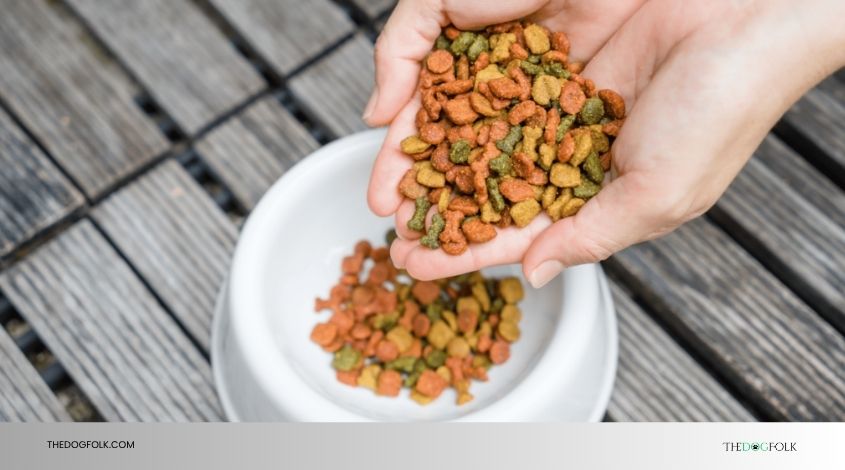
Understanding the nutritional differences between puppy and adult dog food is essential. Puppy food is designed to meet the needs of growing dogs. It contains higher levels of certain nutrients compared to adult dog food. These differences can affect the health of adult dogs if fed regularly.
High Protein Content
Puppy food often contains more protein. This supports muscle and tissue growth. Adult dogs need less protein. Too much protein can lead to weight gain in adults.
Increased Caloric Intake
Puppies are more active and growing. They require more calories. Puppy food has higher calorie content. Adult dogs don't need as many calories. Excess calories can cause obesity.
Essential Vitamins And Minerals
Puppy food is rich in vitamins and minerals. It supports bone development and immune function. Adult dogs already have developed bodies. They require different vitamin and mineral balances.
Fat Content Variations
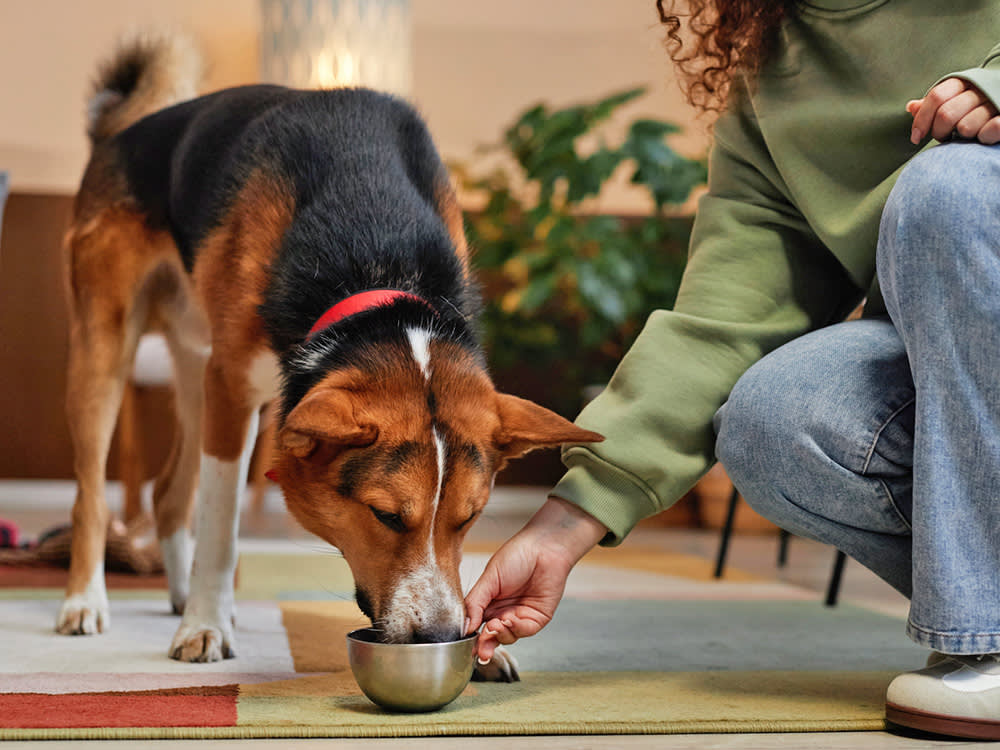
Fat provides energy for puppies. It also aids in brain development. Puppy food often has higher fat content. Adult dogs may not need this extra fat. Excess fat can lead to health issues.
Credit: www.kinship.com
Potential Health Implications
Feeding adult dogs puppy food might seem harmless, but it can lead to unexpected health issues. Puppy food is crafted with a specific nutrient profile to support rapid growth and development. These nutrients, while excellent for puppies, may not be suitable for adult dogs.
High Calorie Content
Puppy food often contains higher calorie content to fuel their growth. An adult dog consuming these calories might gain weight quickly. Excess weight can lead to obesity, joint problems, and heart disease. Imagine your once active dog struggling to climb stairs due to extra pounds.
Protein Overload
Puppy food is rich in protein. Adult dogs have different protein needs. Excess protein can strain their kidneys and liver. If your adult dog is experiencing frequent urination or lethargy, it might be a sign of protein overload.
Imbalanced Nutrients
Puppies need a balance of calcium and phosphorus for bone development. Adult dogs don't require these in such high amounts. Feeding puppy food can lead to nutrient imbalance, affecting bone health. Could your dog be at risk of brittle bones?
Digestive Issues
Rich puppy food can upset an adult dog's digestive system. You might notice diarrhea or vomiting. Consider if the food is causing discomfort or distress. Observing your dog's reaction to food is crucial.
It's essential to choose food that matches your dog's life stage and activity level. Have you noticed any changes in your dog's health after feeding them puppy food? Understanding these implications can help maintain their well-being.
Feeding Recommendations
Feeding recommendations for adult dogs often raise questions about puppy food. This section guides you through essential insights. Understanding nutritional needs helps ensure your dog's health.
Understanding Nutritional Differences
Puppy food is designed for growth. It contains high levels of protein. Adult dogs need balanced diets. Puppy food can lead to excess weight. It may not meet adult dogs' needs. Nutritional balance is crucial for adult dogs.
Consult Your Veterinarian
Veterinarians offer tailored advice. They assess your dog's health status. They help decide if puppy food suits your adult dog. Professional guidance is important for dietary decisions. A veterinarian knows your dog's unique needs.
Monitor Your Dog's Weight
Weight gain can indicate improper feeding. Puppy food can cause fast weight increase. Regular weight checks help maintain health. Adjust feeding based on weight changes. Keep your dog at a healthy weight.
Transition Gradually
Switching foods abruptly can upset digestion. Gradual transition helps adjust your dog's stomach. Mix old and new food slowly. This method prevents digestive issues. Your dog adapts better to new diets.
Read Labels Carefully
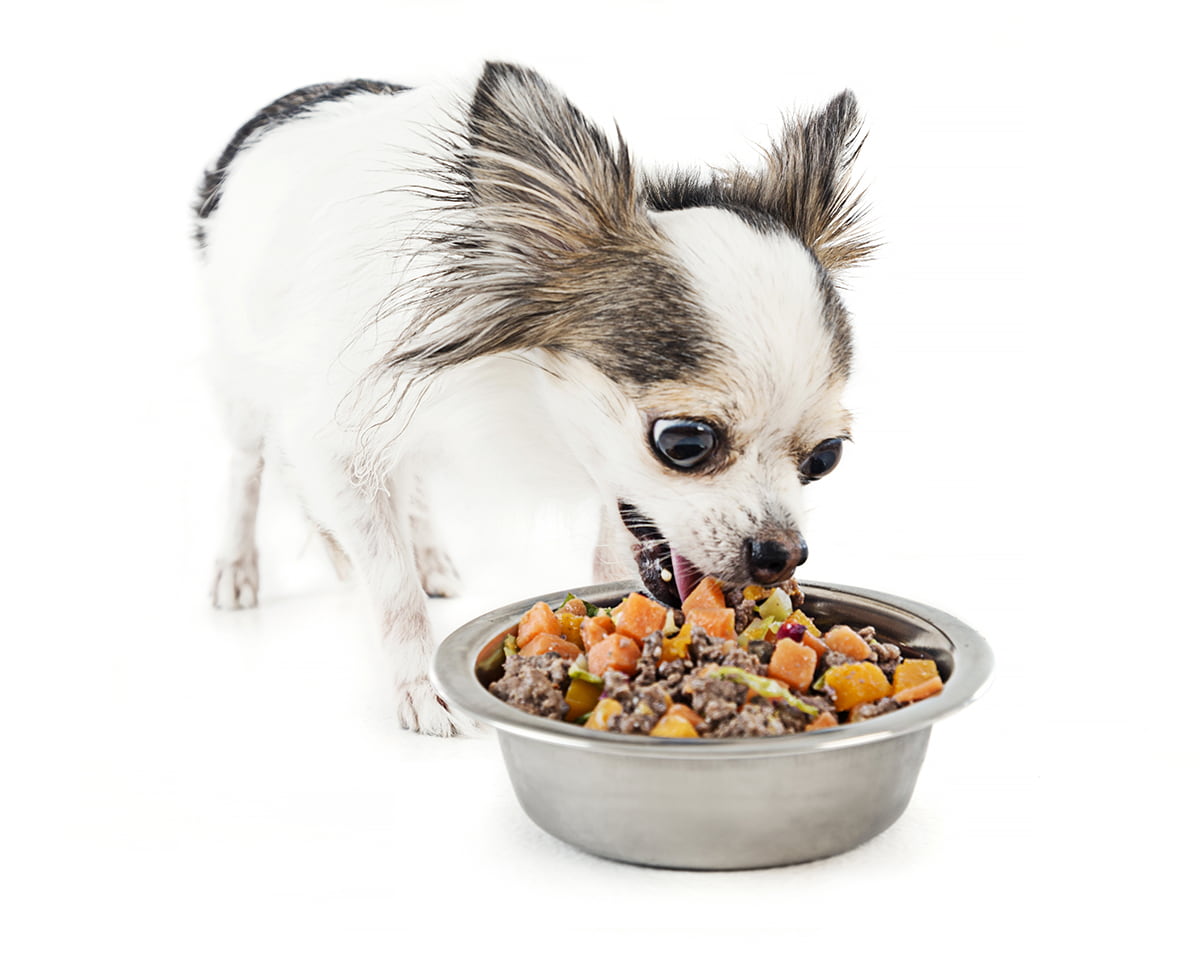
Labels provide crucial information. Check protein, fat, and carbohydrate content. Look for adult-specific formulas. Ensure ingredients meet your dog's needs. Understanding labels helps make informed choices.
Credit: blog.justfoodfordogs.com
Credit: www.kinship.com
Frequently Asked Questions
Can Adult Dogs Benefit From Puppy Food?
Adult dogs need different nutrients than puppies. Puppy food is richer in calories and fats.
Is Puppy Food Safe For Adult Dogs?
Puppy food isn't harmful. But, it may cause weight gain in adult dogs.
Why Do Adult Dogs Eat Puppy Food?
It tastes good. Puppy food is flavorful and smells appealing to dogs.
Can Puppy Food Lead To Obesity In Adults?
Yes. Puppy food is calorie-dense. It can make adult dogs overweight if eaten regularly.
Should I Mix Adult And Puppy Food?
Mixing is possible. But, check with your vet to ensure balanced nutrition.
Conclusion
Choosing the right food for your dog is crucial. Puppy food can tempt adult dogs with its taste. Yet, it's not ideal for their health. Adult dogs need balanced nutrition. Puppy food is rich in fats and calories. This can lead to weight gain in adult dogs.
Consult your vet for the best dietary advice. Every dog has unique needs. Proper nutrition ensures a happy and healthy life. Always read labels and choose wisely. Your dog's well-being depends on it. Keep their diet age-appropriate. Feed them right, love them more.