Are you a proud ferret owner who’s ever wondered if your playful little friend can nibble on dog food? You're not alone.
Many pet owners find themselves pondering the dietary possibilities for their furry companions. After all, ferrets have a unique charm and energy that makes you want to ensure they’re getting the best nutrition possible. But can dog food really meet their nutritional needs?
This question is more than just curiosity; it’s about providing the best care for your ferret. Understanding what goes into their diet can help you make informed decisions that keep your pet healthy and happy. The answer might surprise you, and it could change how you approach feeding your ferret. So, let’s dive into the facts and see whether dog food is a suitable option for your ferret. Stick around, because what you learn could transform your pet’s feeding routine!
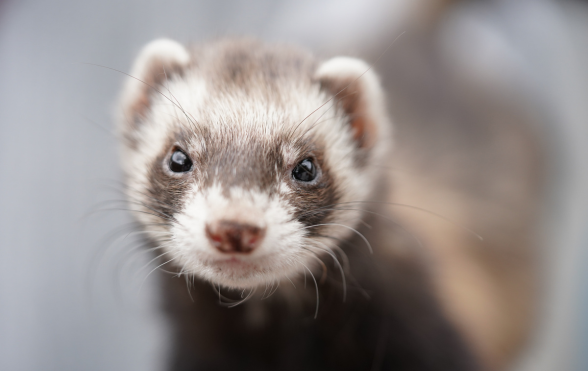
Credit: exoticdirect.co.uk
Ferret Dietary Needs
Ferrets require a high-protein diet, unlike dog food which lacks essential nutrients they need. Feeding them dog food can lead to health issues. It's important to provide a diet specifically designed for their unique nutritional needs.
Understanding the dietary needs of ferrets is crucial for their health and well-being. Unlike dogs or cats, ferrets have unique nutritional requirements that must be met for them to thrive. Feeding them the wrong diet can lead to health issues and a shortened lifespan. So, what exactly do ferrets need in their diet, and can they safely eat dog food?
Ferrets As Obligate Carnivores
Ferrets are obligate carnivores. This means they need a diet primarily composed of meat. Their digestive systems are designed to process animal proteins and fats efficiently. Giving them a diet high in carbohydrates or plant-based ingredients can lead to digestive issues and nutritional deficiencies.
High Protein Requirements
Ferrets require a diet rich in protein. Ideally, their food should contain at least 32-38% protein. This is significantly higher than the protein content found in most dog foods. If you feed your ferret dog food, they may not receive the essential proteins they need, which can impact their muscle development and overall health.
Fat Content Essentials
Along with protein, ferrets need a substantial amount of fat in their diet. Fat not only provides energy but also supports healthy skin and coat. A ferret's diet should have around 15-20% fat. Most dog foods do not meet this requirement, potentially leaving your ferret with insufficient energy levels.
Low Fiber And Carbohydrate Needs
Ferrets have very low carbohydrate and fiber needs. Dog food often contains grains and other fillers that are high in these components. Over time, a diet high in carbohydrates can lead to obesity and insulinoma, a common cancer in ferrets.
Personal Experience With Ferret Diets
When I first adopted my ferret, I was tempted to share my dog's food. It seemed convenient, but after researching, I realized the risks. Switching to a ferret-specific diet made a noticeable difference in my pet’s energy levels and coat condition. It was a lesson in understanding that convenience should never trump health.
Questions To Consider
Are you willing to compromise your ferret's health for convenience? Understanding their unique dietary needs is key to their happiness and longevity. Are you providing them with the right nutrients to thrive? In conclusion, while it might seem convenient to feed your ferret dog food, it's essential to understand the dietary needs specific to ferrets. Ensuring your ferret receives the proper nutrition will lead to a healthier, happier life.
Credit: www.embassyofpakistanusa.org
Ingredients In Dog Food
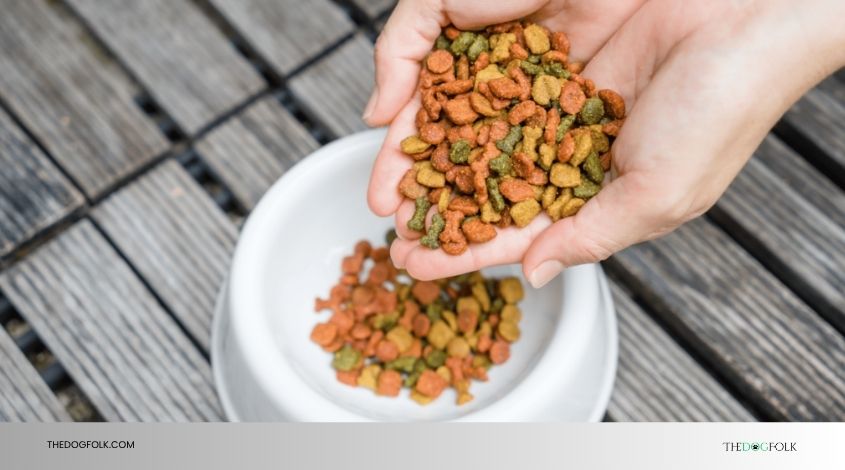
Dog food is specifically crafted to meet canine dietary needs. Yet, curious pet owners might wonder if it suits ferrets too. Understanding the ingredients in dog food is essential before considering it for ferrets.
Protein Sources
Dog food often contains chicken, beef, or fish. These protein sources are great for dogs. Ferrets also need protein, but in higher amounts. Their diet should be primarily animal-based proteins. Dog food might not provide enough for them.
Carbohydrate Content
Carbohydrates like grains and vegetables are common in dog food. Dogs digest them easily. Ferrets, though, are obligate carnivores. Their digestive system isn't designed to process carbs efficiently. High carbohydrate content can be problematic for ferrets.
Added Vitamins And Minerals
Dog food includes added vitamins and minerals to support health. Ferrets need specific nutrients for their well-being. Some dog foods may lack essential ferret vitamins. This can lead to deficiencies over time.
Preservatives And Additives
Preservatives maintain dog food freshness and shelf life. Some additives enhance flavor. Ferrets might react differently to these substances. It's crucial to check for harmful preservatives in dog food.
Fat Levels
Fat provides energy and aids nutrient absorption. Dog food fat levels vary greatly. Ferrets need higher fat content for their active lifestyle. Insufficient fat can affect a ferret's health negatively.
Effects Of Dog Food On Ferrets
Ferrets should not eat dog food regularly. It lacks necessary nutrients like taurine, crucial for their health. Feeding them dog food might cause health issues over time.
Feeding your ferret dog food might seem like a convenient option, especially if you already have a dog at home. But is it really safe for these curious creatures? Understanding the effects of dog food on ferrets is crucial for ensuring their well-being. Ferrets have unique dietary needs that differ significantly from dogs. Let’s dive into how dog food impacts ferrets and what you should consider before sharing your pup's kibble with your furry little buddy.
Impact On Nutritional Balance
Ferrets are obligate carnivores, requiring a diet high in protein and fat. Most dog foods are designed for omnivorous animals, containing grains and vegetables. Feeding ferrets dog food can lead to nutritional imbalances. They might not get enough protein, which can affect their energy levels and overall health.
Digestive System Concerns
Ferrets have a shorter digestive tract compared to dogs. Their bodies process food quickly, absorbing nutrients efficiently. Dog food often contains carbohydrates and fiber that ferrets struggle to digest. You may notice your ferret having digestive issues or discomfort after consuming dog food. This can lead to diarrhea or even more serious health problems.
Potential Health Risks
Long-term feeding of dog food can pose health risks to ferrets. Lack of proper nutrients can cause weight loss, muscle deterioration, and weakened immune systems. Over time, this could lead to chronic health issues, impacting their lifespan.
Personal Experience: A Lesson Learned
I once had a friend who fed her ferret dog food for convenience. Initially, it seemed harmless. However, her ferret started losing weight and became lethargic. Switching to a ferret-specific diet improved its health dramatically. This taught me the importance of understanding the specific dietary needs of pets.
What Are Your Options?
Consider ferret-specific food that meets their dietary needs. It’s formulated with the right protein and fat content for optimal health. You may also consult a vet for tailored advice. This ensures your ferret stays healthy and happy. Are you willing to risk your ferret's health for convenience? Their unique needs call for careful consideration. Make informed choices for your pet's diet. Doing so can prevent unnecessary health issues and ensure they thrive.

Credit: www.youtube.com
Frequently Asked Questions
Can Ferrets Eat Dog Food Safely?
Ferrets shouldn't eat dog food regularly. Dog food lacks the nutrients ferrets need. It can cause health issues.
Is Dog Food Harmful To Ferrets?
Yes, dog food can harm ferrets. It's low in protein and fat that ferrets require for health.
What Nutrients Do Ferrets Need?
Ferrets need high protein and fat. They thrive on meat-based diets. Dog food doesn't provide these essentials.
Can Occasional Dog Food Harm Ferrets?
A small amount rarely might not harm. Still, it's best to avoid. Stick to ferret-specific food.
Why Is Ferret-specific Food Important?
Ferret food is tailored for their needs. It ensures they get essential nutrients for health and energy.
Conclusion
Ferrets need special diets. Dog food lacks key nutrients for them. Feeding dog food can lead to health issues. It may cause digestive problems or malnutrition. Ferret food is best for their needs. It ensures they stay healthy and active.
Always check ingredients before feeding. Choose foods rich in protein and fat. Avoid fillers and grains. Consult a vet for guidance. A balanced diet keeps your ferret happy and healthy. Remember, proper nutrition is crucial for their well-being. Prioritize their diet for a long, healthy life.