Imagine your furry friend, wagging their tail and looking up at you with those big, loving eyes. Their happiness is your happiness.
But when something's not right, you can sense it instantly. If you've noticed your dog scooting across the floor or licking their rear more than usual, it might be a sign of anal gland issues. You might wonder, "Could their diet be the culprit?
" You'll uncover the surprising connection between food and anal gland problems in dogs. You'll learn how certain ingredients can trigger these issues and discover the steps you can take to ensure your dog's diet is supporting their health, not hindering it. Stick around to find out how you can help your pet feel their best and avoid those uncomfortable symptoms.

Credit: nutritionrvn.com
Diet And Anal Gland Health
Anal gland issues in dogs are often overlooked until they become a real problem. But did you know that what you feed your dog can play a significant role in their anal gland health? Let's dive into how diet influences these tiny, yet important glands.
What Are Anal Glands?
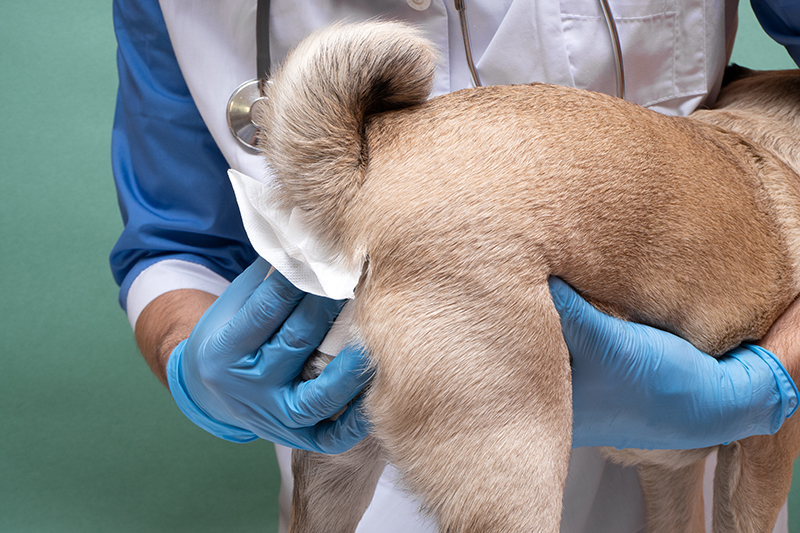
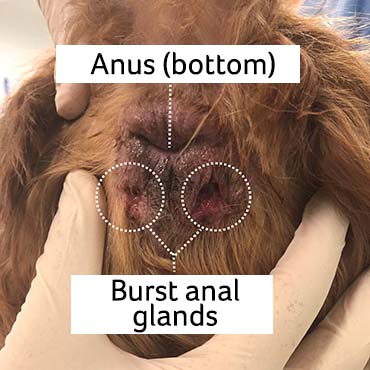
Anal glands are small sacs located near your dog's anus. They produce a smelly fluid used for marking territory. When these glands don't empty properly, your dog may face discomfort and potential infections.
Why Does Diet Matter?
Your dog's diet can impact how their anal glands function. Foods high in fiber help bulk up stools, aiding the natural emptying of these glands during bowel movements. Conversely, low-fiber diets might lead to softer stools, leaving glands full and problematic.
High-fiber Foods To Consider
- Pumpkin: A natural source of fiber that many dogs love.
- Sweet potatoes: Not only delicious but also packed with fiber.
- Brown rice: An easy-to-digest option that adds bulk to stools.
Personal Story: A Change For The Better
When I switched my dog to a high-fiber diet, I noticed a remarkable improvement. His anal gland issues reduced significantly, and he seemed more comfortable. It was a simple change with a big impact.
Should You Consult Your Vet?
Absolutely! Before making any dietary changes, consult your vet. They can provide personalized advice based on your dog’s specific needs. It's always better to ensure your dog’s diet is balanced and healthy.
Take Action: Observe And Adjust
Pay attention to your dog’s bowel movements. Are they firm enough? Regularly check for signs of anal gland discomfort like excessive licking or scooting. If you notice issues, reconsider their diet.
Could a dietary tweak be what your dog needs? It's worth exploring if it leads to happier, healthier days for them. What changes will you make to support your dog’s anal gland health?
Common Foods Affecting Glands
Understanding what food can affect your dog's anal glands is crucial. Certain foods can contribute to gland issues, causing discomfort. Knowing which foods to avoid can help maintain your dog's health. Let's explore some common foods that may affect your pet's glands.
High-fat Foods
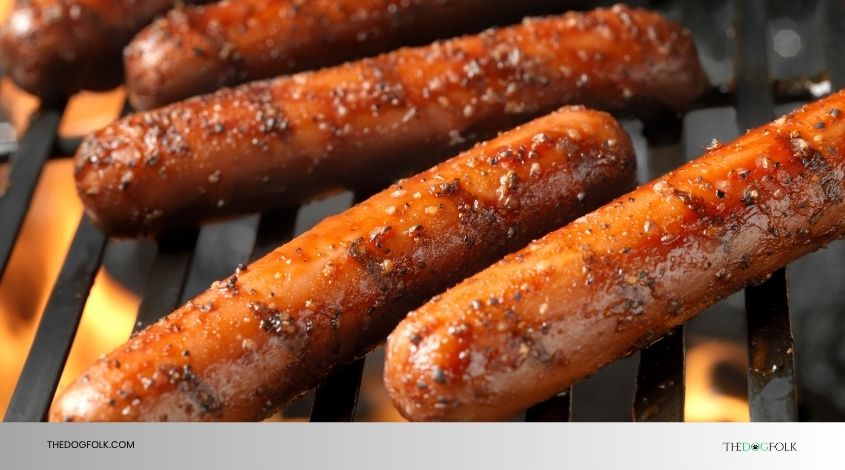
Fatty foods can lead to obesity in dogs. Excess weight puts pressure on anal glands. This can cause them to not empty properly. Avoid feeding foods like bacon and sausage. These are high in fat and can cause issues.
Dairy Products
Many dogs are lactose intolerant. Dairy can cause digestive problems. These issues can lead to anal gland discomfort. Cheese and milk are common culprits. Limit these in your dog's diet.
Processed Foods
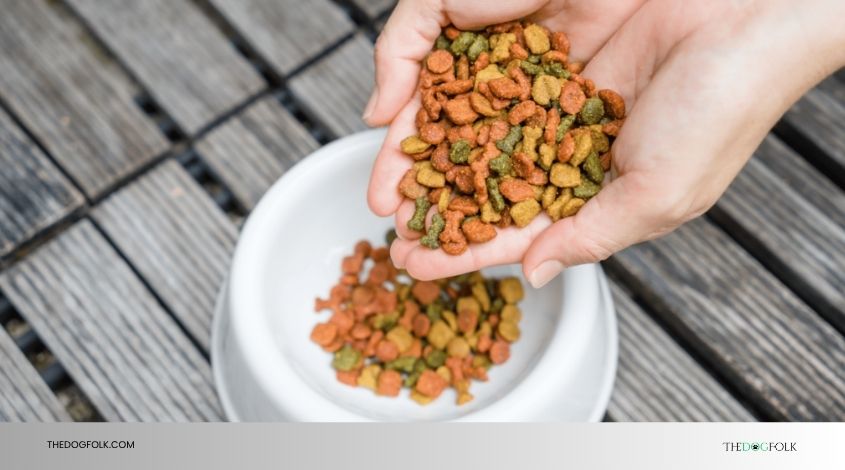
Processed foods often lack essential nutrients. They can lead to digestive imbalance. This imbalance can affect anal gland function. Foods like kibble may contribute to this. Opt for whole foods instead.
Grain-based Foods
Grains can be hard for dogs to digest. They can cause inflammation in some dogs. This inflammation may affect anal glands. Choose grain-free options for your pet. It's safer for their digestive health.
Low-fiber Foods
Fiber is important for digestion. Low-fiber foods can lead to constipation. Constipation can put pressure on the anal glands. Ensure your dog's diet has enough fiber. Vegetables and fruits are good sources.
Preventive Dietary Measures
Preventing anal gland issues in dogs is crucial for their health and happiness. Dietary measures can play a significant role in ensuring your furry friend stays comfortable. Understanding the connection between food and anal glands can empower you to make informed choices that benefit your dog's wellbeing.
What To Include In Your Dog's Diet
Fiber is a game-changer for your dog's diet. It helps firm up stools, aiding natural expression of anal glands. Consider adding foods like pumpkin or sweet potato to your dog's meals. These are not only tasty but also packed with the fiber your dog needs.
Foods To Avoid
Certain foods can exacerbate anal gland issues. Fatty and processed foods may lead to softer stools, which can complicate anal gland expression. If you notice issues, it might be time to evaluate your dog's treat stash and eliminate those high-fat snacks.
Experiment With Protein Sources
Some dogs may react to specific proteins, leading to digestive discomfort. If anal gland problems persist, try switching proteins. You might find that your dog thrives on chicken rather than beef, or vice versa. Your dog's reaction can guide you to the best choice.
Hydration Is Key
Water plays a vital role in your dog’s digestion. Proper hydration ensures stools remain firm enough for anal gland expression. Consider adding moisture-rich foods or broths to your dog's diet. It's a simple change that can have a big impact.
Consult Your Vet
Every dog is unique, and what works for one might not work for another. If dietary changes don’t seem effective, consult your vet. They can offer personalized advice and may suggest additional options like supplements or specific brands that cater to your dog's needs.
Have you noticed any changes in your dog's behavior after switching foods? It's fascinating how small adjustments can lead to big improvements. Share your experiences or questions in the comments below, and let's keep our dogs healthy together!
Credit: shallowfordvet.com
Credit: www.pdsa.org.uk
Frequently Asked Questions
Can Diet Affect Anal Gland Health In Dogs?
Yes. A dog's diet can impact anal gland health. Low-fiber diets may cause issues. Fiber helps stool formation.
Which Foods Might Cause Anal Gland Problems?
Foods high in fat or low in fiber might cause issues. Processed foods can worsen gland problems.
How Does Fiber Help With Anal Gland Issues?
Fiber adds bulk to stool. This helps express the anal glands naturally. Prevents blockages.
Can Overweight Dogs Have More Anal Gland Problems?
Yes. Overweight dogs may have more gland issues. Extra weight can cause pressure and blockages.
What Signs Indicate Anal Gland Issues In Dogs?
Scooting, licking the rear, and bad odor can signal problems. Consult a vet if noticed.
Conclusion
Diet can affect your dog's anal glands. Foods low in fiber may cause issues. A balanced diet helps maintain gland health. Regular vet visits are essential. Observe your dog's behavior and stool. Changes might indicate gland problems. Consult your vet for advice on diet.
A healthy diet supports overall wellness. Your dog's health is a top priority. Simple dietary adjustments might prevent discomfort. Stay informed and proactive for your pet's happiness.