Imagine this: you open a fresh bag of dry dog food, and your furry friend eagerly anticipates mealtime. But as days pass, you begin to wonder—can dry dog food spoil?
You might assume those crunchy morsels are immune to time, but the truth could surprise you. Your dog's health depends on what they eat, and feeding them spoiled food could lead to serious problems. This is why understanding the shelf life and storage of dry dog food is crucial.
By the end of this article, you’ll learn how to keep your pet's food fresh and safe, ensuring their tail keeps wagging every day. Ready to dive in and uncover the secrets to optimal pet nutrition? Let's get started!
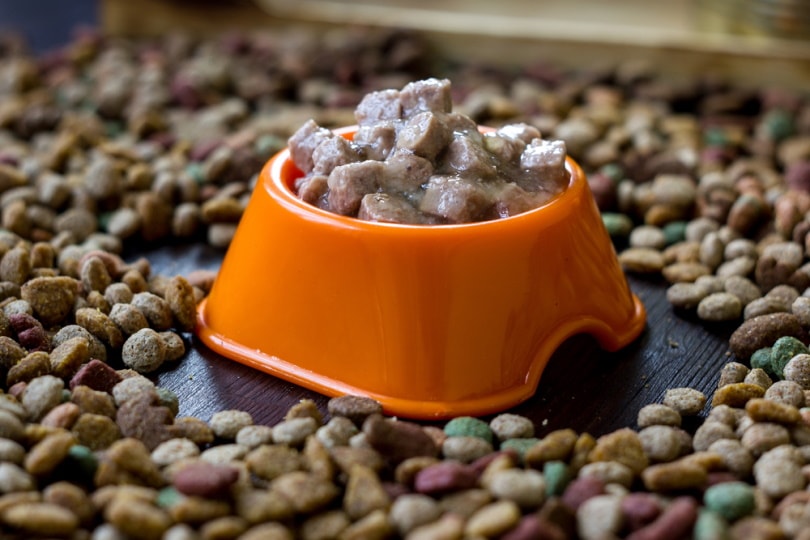
Credit: www.dogster.com
Shelf Life Factors
Dry dog food can spoil due to factors like exposure to air, heat, and moisture. Proper storage in airtight containers helps maintain freshness and prevent spoilage. Always check expiration dates to ensure the food is safe for your pet.
Understanding the shelf life of dry dog food is crucial to ensure your furry friend gets the best nutrition possible. While dry dog food is known for its convenience and longevity, it doesn't last forever. Several factors can affect how long it stays fresh and safe to eat. Let's delve into these factors and see how you can keep your dog's food in optimal condition.
Ingredients Used
The ingredients in dry dog food play a significant role in its shelf life. Foods with natural preservatives tend to spoil faster than those with synthetic ones. Pay attention to the ingredient list and expiry date. Have you ever noticed how some foods go stale quicker than others? That's often due to the type of fats and oils used. Foods with higher fat content can spoil faster as oils may go rancid over time. Always check for any changes in smell or texture.
Packaging Quality
The packaging of dry dog food is more than just a bag with colorful branding. It acts as a shield against moisture, air, and pests. High-quality packaging usually includes a resealable feature, keeping the food fresh longer. Think about a time when you bought a snack and forgot to reseal it. It probably didn't taste the same the next day, right? The same goes for dog food. Ensure the packaging remains sealed after each use to maintain freshness.
Storage Conditions
Where you store your dog's food can drastically affect its shelf life. A cool, dry place is ideal. Heat and humidity can accelerate spoilage, making the food less palatable and potentially harmful. Remember that time you left chocolate in the car on a hot day, and it melted? Dry dog food reacts to heat similarly. Keep it away from direct sunlight and damp areas to preserve its quality.
Manufacturing Date
The manufacturing date is crucial in determining how long dry dog food will last. Even if the food remains unopened, time can diminish its nutritional value. Always choose a product with a recent manufacturing date for the freshest meal. Do you check the manufacturing date when you buy groceries? It's a good habit to apply when purchasing dog food too. Fresher products mean better nutrition and taste for your pet.
Opened Vs. Unopened Bags
An unopened bag of dry dog food generally lasts longer than an opened one. Once opened, it's exposed to air and moisture, which can lead to spoilage. Consider investing in airtight containers to extend the shelf life after opening. Have you ever noticed how cereal goes stale if not sealed properly? That's how dry dog food behaves too. By using airtight storage, you can keep it fresher for longer. Understanding these shelf life factors can help you make better choices for your pet's diet. Always keep an eye on changes in your dog's food and adjust storage practices as needed. How do you ensure your dog’s food stays fresh?

Credit: www.rover.com
Signs Of Spoilage
Dry dog food can spoil. Knowing the signs helps keep pets safe. Spoiled food can lead to health issues. It's crucial to check your dog's food regularly. Learn the signs of spoilage. Your dog's health depends on it.
Appearance Changes
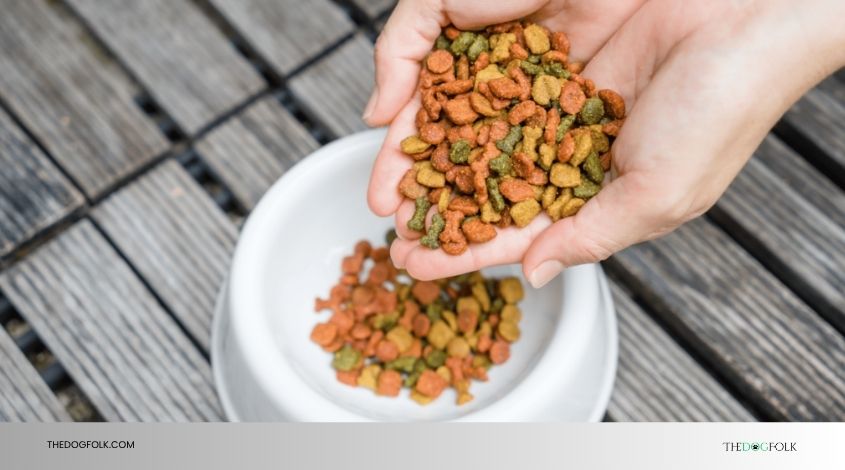
Check for mold or discoloration. Spoiled food may look different. It can appear green, blue, or black. Unusual colors mean the food is bad. Inspect the kibble closely. Fresh kibble looks consistent in color.
Unpleasant Smell
Sniff the food. Fresh dog food should have a mild scent. Spoiled food smells rancid or sour. A strong or unusual odor is a warning. Trust your nose. Dogs may refuse smelly food.
Texture Alterations
Feel the kibble. Fresh food is dry and firm. Spoiled food may be damp or sticky. Soft kibble is a sign of moisture exposure. Moisture leads to spoilage. Check the texture often.
Expiration Date
Check the package date. Dog food has a shelf life. Expired food loses quality. It can spoil after the expiration date. Keep track of dates. Discard old food promptly.
Pest Presence
Look for insects or rodents. Pests indicate contamination. They are attracted to spoiled food. Check storage areas for signs. Clean and secure food to prevent pests.
Storage Tips
Dog food can spoil if not stored properly. Keep it in a cool, dry place to maintain freshness. Always check the expiration date and seal the bag tightly after each use.
Storing dry dog food properly is crucial to maintain its freshness and nutritional value. Neglecting storage can lead to spoilage, affecting your pet's health. Proper storage not only preserves the taste but also ensures your dog receives the intended nutrients. Let's explore practical storage tips that will keep your dog's food fresh and safe.
Use Airtight Containers
Store dry dog food in airtight containers to protect it from moisture and air exposure. This prevents the growth of mold and bacteria. Ensure the container is clean and dry before use to avoid contamination.
Keep It Cool And Dry
Place the dog food container in a cool, dry area. Avoid storing it near heat sources or in humid environments like a basement. Temperature fluctuations can lead to spoilage, so consistency is key.
Avoid Direct Sunlight
Sunlight can degrade the nutrients in dog food and increase the risk of spoilage. Store the food in a shaded area or inside a pantry to keep it away from direct light.
Regularly Check Expiry Dates
Before purchasing, check the expiration date on the package. Once opened, mark the date to track its shelf life. If the food looks or smells off, it's better to be safe and discard it.
Seal The Bag Properly
If you prefer storing food in its original bag, ensure you seal it tightly after each use. Use clips or a resealable bag to maintain freshness. This helps prevent exposure to air and pests.
Keep Food Off The Floor
Store the food off the ground to avoid contamination from dirt or pests. Use shelves or cabinets to keep it elevated. This also makes it easier to access during feeding time.
Buy Smaller Quantities
Consider purchasing smaller bags if storage space is limited. This minimizes the risk of spoilage and ensures you have fresh food on hand. This is particularly useful if you notice your dog doesn't eat as much as expected. Do you have any storage tips that have worked wonders for you? Share in the comments below!
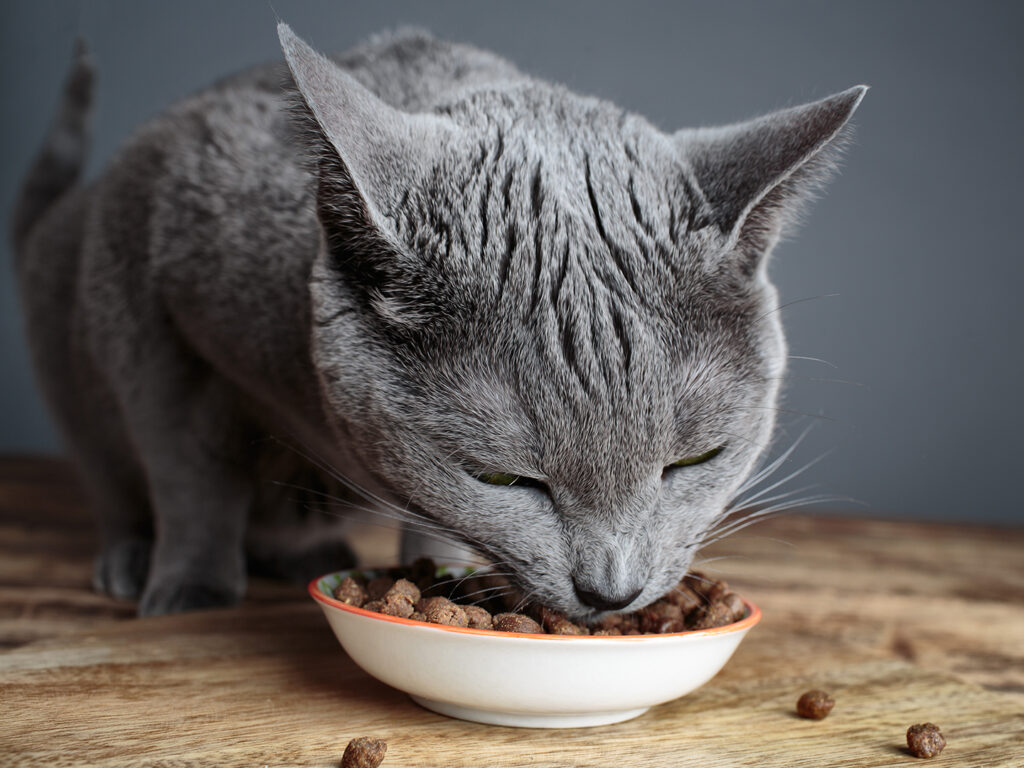
Credit: vetmed.tamu.edu
Frequently Asked Questions
How Long Does Dry Dog Food Last?
Dry dog food typically lasts 12-18 months. Check the expiration date on the packaging for specifics.
Can Expired Dry Dog Food Harm Dogs?
Yes, expired dry dog food can harm dogs. It may contain bacteria or lose nutritional value.
What Signs Indicate Dry Dog Food Has Spoiled?
Spoiled dry dog food might smell bad, become discolored, or develop mold. Dispose of it immediately.
How Should I Store Dry Dog Food?
Store dry dog food in a cool, dry place. Use airtight containers to prevent spoilage and pests.
Is It Safe To Feed Stale Dry Dog Food?
No, stale dry dog food is unsafe. It loses nutrients and may harbor bacteria or mold. Always check freshness.
Conclusion
Dry dog food can spoil. Storage is key. Seal bags tightly. Store in a cool, dry place. Watch for changes in smell and texture. Check expiration dates regularly. Keep the food fresh for your pet's health. Stay attentive to signs of spoilage.
Your dog's well-being depends on safe food. Spoiled food can harm your pet. Regularly inspect your dog's food. Fresh food supports health and happiness. Keeping these tips in mind helps ensure safety. Happy pets need safe, fresh food.