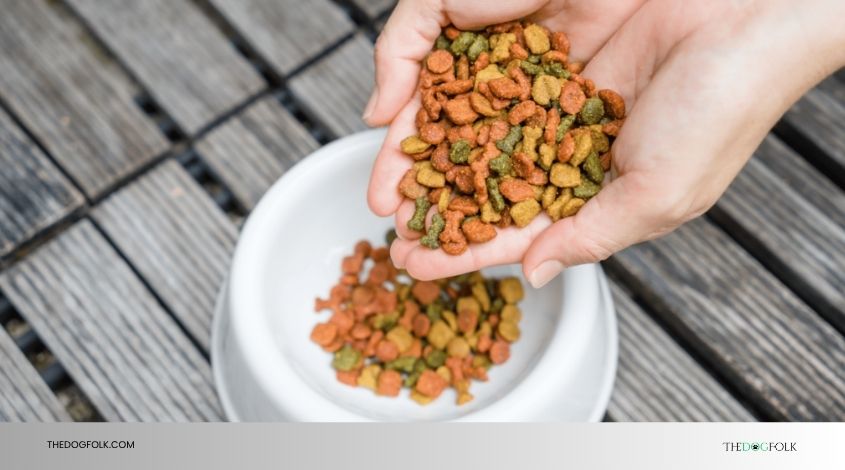
Imagine you're standing in the pet food aisle, overwhelmed by rows of colorful bags and enticing labels. You want the best for your furry friend, but you can't help but wonder: "Can changing dog food kill a dog?"
It's a question that might send a chill down your spine. After all, your dog's health and happiness are in your hands. You don't want to make a mistake that could harm your beloved pet. This article is for you if you're concerned about the effects of changing your dog's diet.
You'll discover the surprising truth behind this pressing question and learn how to make safe and healthy choices for your four-legged companion. We’ll explore what happens inside your dog's body when you change their food and reveal the critical steps you can take to ensure their well-being. Stay with us as we uncover the facts that every dog owner needs to know. Your dog's life could depend on it.
Potential Risks Of Switching Dog Food
Changing your dog's food can impact their health. It seems simple, but it carries risks. Dogs have sensitive digestive systems. A sudden change can cause problems.
Understanding these risks helps prevent health issues. It's crucial for your pet's well-being.
1. Digestive Upset
Switching dog food suddenly can cause digestive upset. Symptoms include diarrhea, vomiting, or gas. These signs show your dog struggles with the new food.
2. Allergic Reactions
New foods might contain allergens. Dogs can develop allergies over time. Watch for itching, skin rashes, or ear infections. These indicate an allergic reaction.
3. Nutritional Imbalance
Not all dog foods are equal. Some lack essential nutrients. A sudden switch can lead to deficiencies. Ensure the new food meets your dog's nutritional needs.
4. Behavioral Changes
Food affects mood and behavior. A new diet might make your dog restless or lethargic. Monitor their behavior closely after changing food.
5. Loss Of Appetite
Some dogs refuse new food. It could lead to reduced calorie intake. This might cause weight loss or malnutrition. Gradually introduce new food to prevent this.
Understanding these risks helps ensure a healthy transition. Your dog's health is worth the effort.

Credit: en.wikipedia.org
Safe Transition Strategies
Switching your dog's food can feel overwhelming. A sudden change might upset their stomach. It's crucial to transition safely. This helps prevent digestive issues. Let's explore safe transition strategies.
Gradual Introduction Of New Food
Start by mixing a small amount of new food with the old. Gradually increase the new food each day. This process should take about a week. Your dog's digestive system needs time to adjust. Patience is key to a smooth transition.
Monitor Your Dog's Reaction
Watch for signs of discomfort or allergies. These could include diarrhea or vomiting. If you notice any severe symptoms, consult a vet. Quick action can prevent serious health issues.
Maintain Consistent Mealtimes
Keep feeding times consistent. This helps your dog’s body adapt to the new food. Routine supports their digestive health. Avoid giving treats during this period. It might confuse their system.
Ensure Proper Hydration
Make sure your dog drinks plenty of water. Hydration aids in digestion. It helps flush out toxins. Always provide fresh water. It's essential for their overall well-being.
Consult Your Veterinarian
Your vet knows your dog’s health best. They can recommend suitable foods. Their guidance ensures a safe transition. Regular check-ups keep your dog healthy. Always seek professional advice if unsure.
Signs Of Food-related Health Issues
Changing a dog's food can lead to health issues. Watch for signs like vomiting, diarrhea, or loss of appetite. Gradual transitions and monitoring can prevent serious problems.
Changing your dog's food can sometimes lead to unexpected health issues. It's crucial to know what signs to watch for, ensuring your furry friend stays healthy. Recognizing these signs early can prevent serious problems and keep your pet happy and energetic.
Vomiting And Diarrhea
Switching dog food can upset your pet's stomach, leading to vomiting or diarrhea. This is one of the most common reactions. If your dog vomits or has loose stools after a change in diet, it might be more than just an upset stomach. Keep an eye on your dog’s condition and consult a vet if it doesn't improve in a day or two.
Loss Of Appetite
A sudden loss of interest in food can indicate a problem. If your dog usually races to the food bowl but suddenly ignores it, the new food might not be sitting well. Consider whether the change is affecting their appetite and consult a veterinarian if this continues.
Excessive Itching Or Skin Problems
Food allergies can manifest as itchy skin or other skin issues. You might notice your dog scratching more than usual or developing rashes. This can be uncomfortable for your pet and is often a sign that something in their food isn't agreeing with them.
Lethargy
If your usually active dog seems tired and sluggish, it could be due to their diet. Lethargy can be a sign that your dog isn’t getting the nutrients they need. Always pay attention to changes in energy levels when adjusting their diet.
Unusual Behavior
Your dog might act differently if they feel unwell. Changes in behavior, such as increased aggression or withdrawal, can be linked to dietary changes. Trust your instincts; you know your pet best. If something feels off, it's worth investigating further.
Weight Loss
Unexpected weight loss can be alarming. If your dog is shedding pounds without trying, it might be due to their new food. This is a sign that they’re not getting enough calories or nutrients. Monitoring your dog's weight is crucial during a food transition. Recognizing these signs can help you ensure your dog's well-being. Have you experienced any of these issues when changing your dog's food? Share your thoughts and experiences in the comments. Understanding these signs can make a world of difference for your pet’s health.
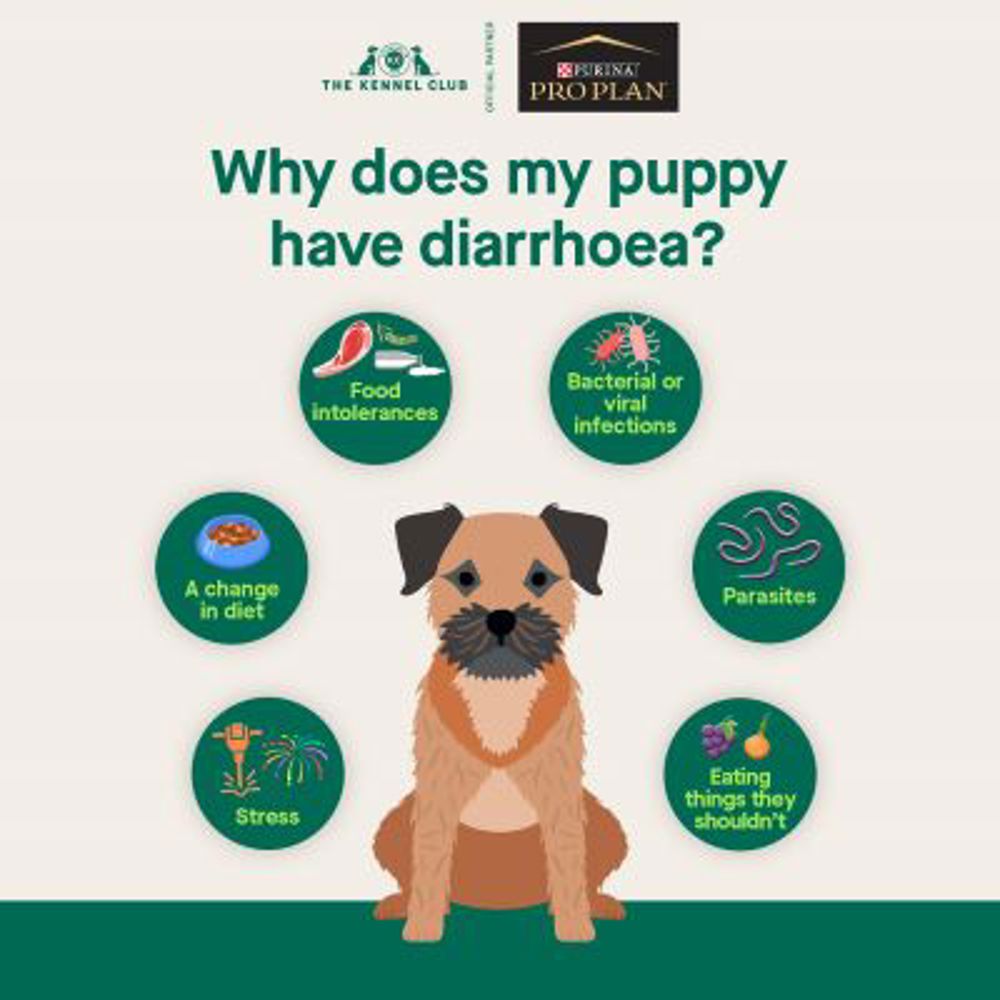
Credit: www.thekennelclub.org.uk
Credit: www.costco.com
Frequently Asked Questions
Can Changing Dog Food Harm My Dog?
Sudden food changes can upset a dog's stomach. Gradual transition is safer.
How Should I Transition My Dog's Food?
Mix new food with old. Increase new over 7-10 days.
What Signs Show Food Change Issues In Dogs?
Watch for vomiting, diarrhea, or lethargy. Consult a vet if they persist.
Is It Safe To Change Dog Food Brands Often?
Frequent changes can upset digestion. Stick with a balanced diet.
Why Do Dogs React Badly To New Food?
Different ingredients can shock their system. Slow changes help adaptation.
Conclusion
Ensuring your dog's health requires careful food transitions. Sudden changes can cause digestive upset. Always consult with a vet before switching food. Gradually introduce new food over several days. Watch for any adverse reactions. Vomiting, diarrhea, or lethargy are warning signs.
Immediate vet advice is crucial if symptoms persist. A balanced diet supports your dog's well-being. Proper nutrition leads to a happier, healthier pet. Remember, each dog is unique. Their dietary needs differ. Tailor food choices to individual health requirements. Prioritize your dog's comfort and safety.
A mindful approach prevents risks and ensures longevity.