Imagine the peace of mind that comes with knowing your furry friend is protected from illnesses like kennel cough. You've done your part by getting them vaccinated, but a question lingers in your mind: can a dog still catch kennel cough even after vaccination?
You're not alone in this concern. Many pet owners wonder about the effectiveness of these vaccines and whether their dogs are truly safe. We'll uncover the truth behind kennel cough vaccinations and how they work. You'll learn why some vaccinated dogs might still show symptoms, and we'll share expert advice on what you can do to keep your canine companion healthy.
Stay with us as we delve into the facts and debunk myths, ensuring you have all the knowledge you need to protect your beloved pet. Your dog's health is a priority, and understanding the nuances of kennel cough can make all the difference.
Kennel Cough Vaccine Explained
Even vaccinated dogs can sometimes get kennel cough. The vaccine reduces symptoms and severity, but it doesn't guarantee full immunity. Regular check-ups and booster shots are crucial for minimizing risks and keeping your pet healthy.
Understanding whether your dog can get kennel cough even after vaccination is crucial for their health. The kennel cough vaccine is a preventive measure aimed at reducing the risk of infection. However, it doesn't guarantee complete immunity. Let's dive into what the kennel cough vaccine is all about and why it’s still important to consider.
What Is Kennel Cough?
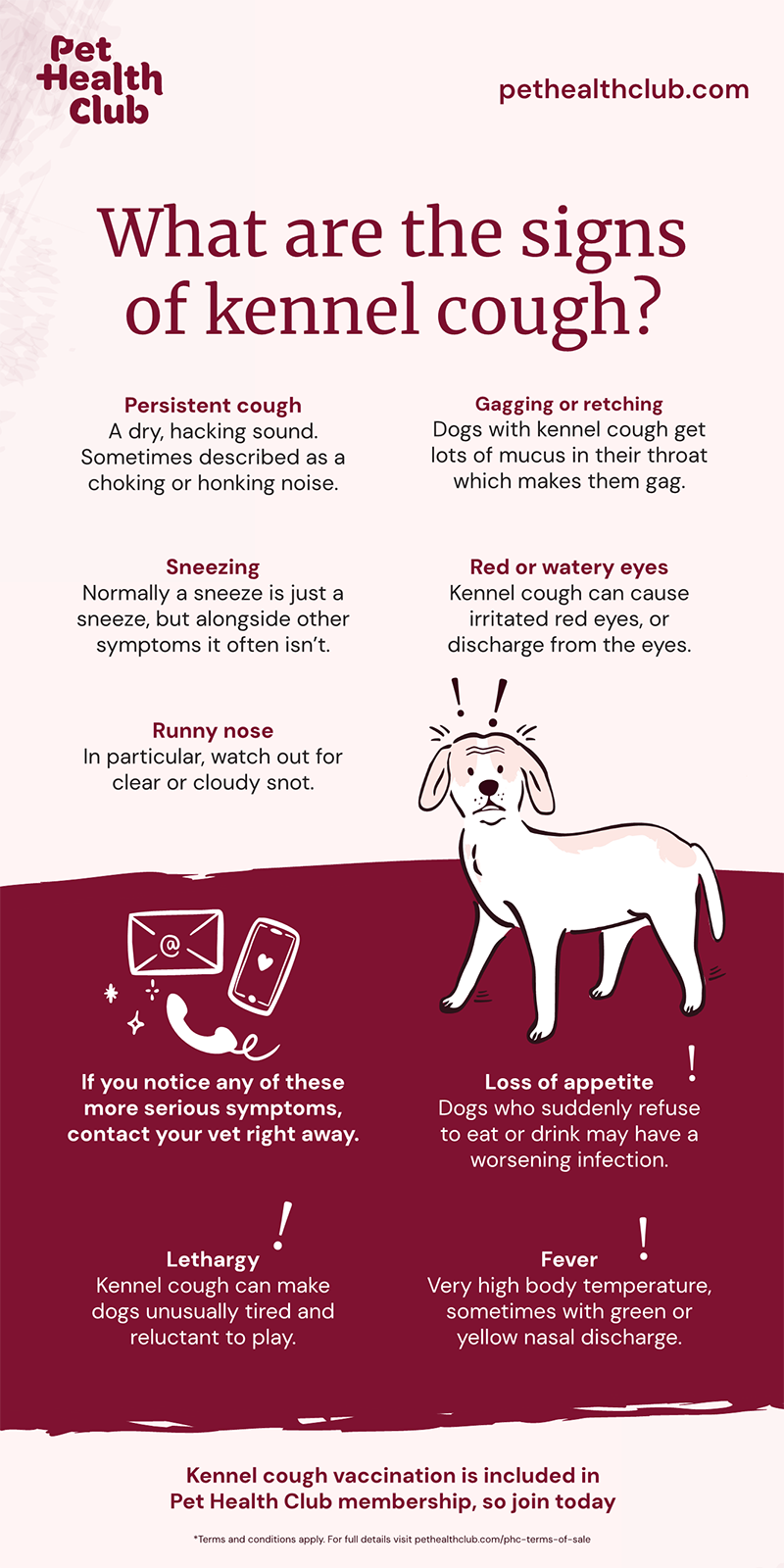
Kennel cough, also known as canine infectious tracheobronchitis, is a highly contagious respiratory disease. It's akin to a cold in humans but can be more severe. Symptoms often include a persistent cough, sneezing, and sometimes a runny nose.
How Does The Kennel Cough Vaccine Work?
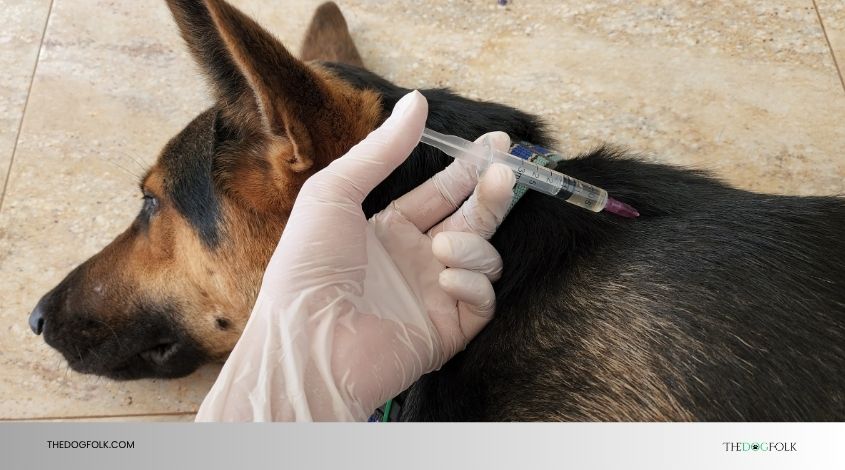
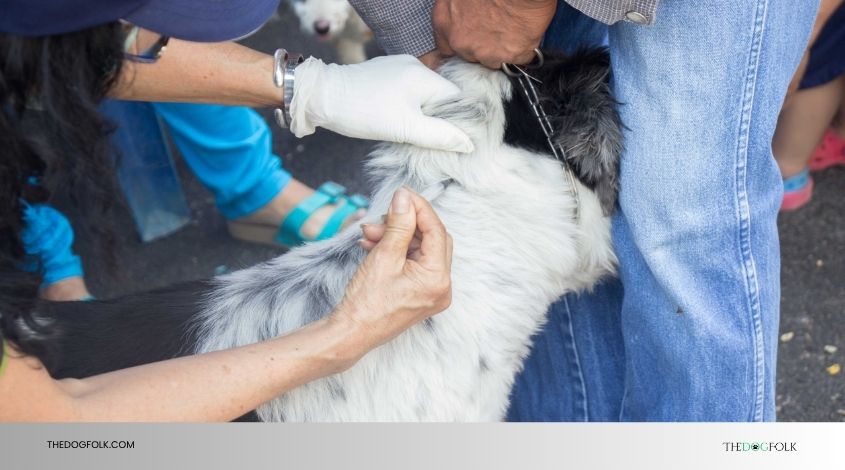
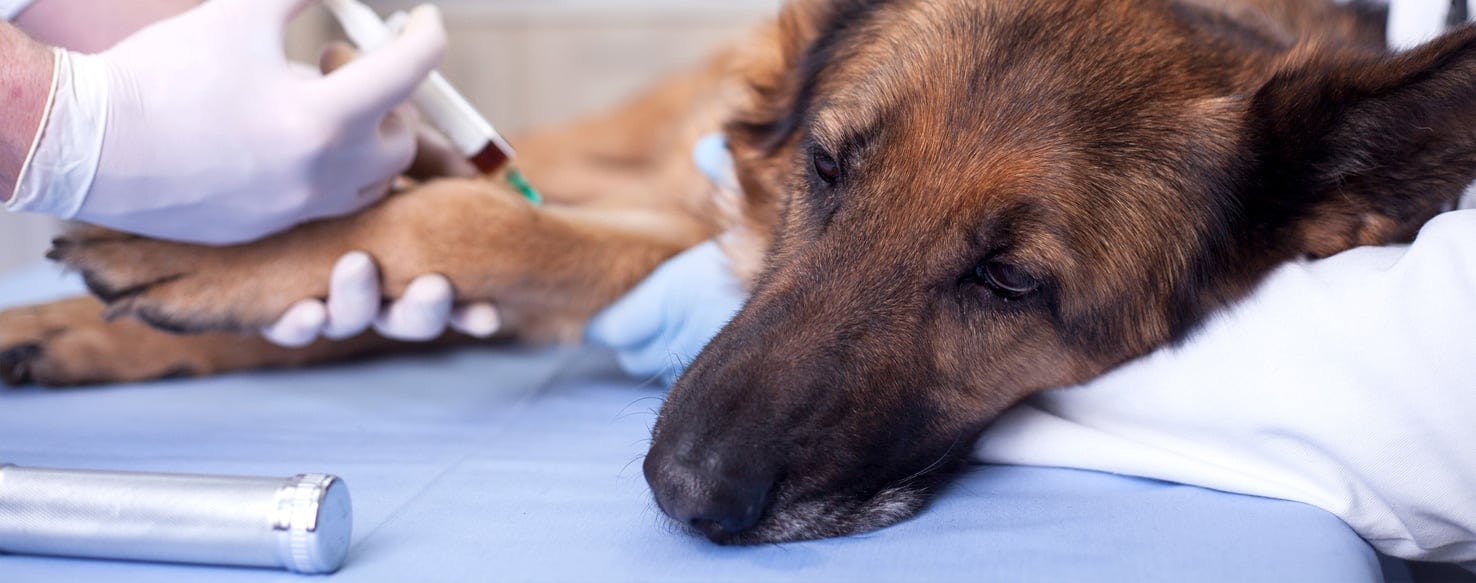
The kennel cough vaccine targets Bordetella bronchiseptica, the primary bacterium causing the illness. Administered either as an injection or a nasal spray, this vaccine helps your dog’s immune system recognize and fight the bacteria more effectively. It doesn’t prevent the disease entirely but can lessen the severity and duration of symptoms.
Why Vaccinate If It Doesn’t Guarantee Full Immunity?
You might wonder why bother with the vaccine if it doesn't offer full protection. Think of it as a safety net. While it may not prevent kennel cough entirely, it significantly reduces the risk of severe cases. A milder form of the illness means less discomfort for your dog and fewer vet visits for you.
Is The Kennel Cough Vaccine Right For Your Dog?
Consider your dog's lifestyle. If they frequent dog parks, boarding facilities, or grooming salons, the risk of exposure is higher. Vaccination is a wise choice in these scenarios. Discuss your dog's habits with your vet to make an informed decision.
Personal Experience: A Lesson Learned
I once skipped the kennel cough vaccine for my dog, Max, thinking he was healthy and strong. A month later, he caught a nasty bout of it from a playdate. Seeing him struggle made me realize the importance of vaccination. It's not just about prevention but also about minimizing the impact.
What Should You Do Next?
Talk to your veterinarian about your dog's specific needs. They can provide guidance tailored to your dog's health and lifestyle. Remember, prevention is always better than cure. Are you ready to make that vet appointment? Your dog’s health is worth it.
Credit: wagwalking.com
Causes Of Kennel Cough In Vaccinated Dogs
Vaccinated dogs can still catch kennel cough due to various strains of the virus. Stress or exposure to infected dogs also increases the risk. Vaccines reduce the severity but don't offer full protection against all strains.
Understanding the causes of kennel cough in vaccinated dogs can be puzzling. You might wonder why your furry friend still ends up coughing despite receiving the recommended shots. Vaccination significantly reduces the risk, but it's not a full-proof shield. Let’s explore why kennel cough can still occur in vaccinated dogs and what you can do about it.
1. Variability In Vaccine Coverage
Vaccines are designed to protect against the most common strains of the kennel cough virus. However, they don't cover every single one. If your dog encounters a less common strain, they could still contract the illness. Think about it like the flu shot for humans—it protects against the most likely strains, but not all.
2. Timing Of Vaccination
The timing of your dog's vaccination plays a crucial role. If your dog was vaccinated very recently, it might not have developed full immunity yet. On the other hand, if it’s been a while since the last shot, the immunity could be waning. Consider discussing the optimal vaccination schedule with your vet to ensure your dog remains protected.
3. Immune System Variability
Each dog's immune system is unique. Some dogs might have a naturally weaker immune response to the vaccine. This doesn't mean the vaccine isn't effective; it just means your dog might be more susceptible. Have you noticed how some people catch colds more easily than others? It’s a similar concept.
4. Environmental Factors
Dogs often catch kennel cough in environments with lots of other dogs, like kennels or dog parks. Even vaccinated dogs can catch the disease if they are exposed to high concentrations of the virus. You might want to rethink taking your dog to crowded places during an outbreak.
5. Stress And Overall Health
A stressed or unhealthy dog is more likely to get sick. If your dog is under stress or dealing with other health issues, their resistance to infections like kennel cough could be lower. Is there something in your dog's environment that could be causing stress? Addressing these factors can help boost their overall health and resistance. Understanding these causes can help you take proactive measures to protect your dog. While vaccination is a key part of prevention, being aware of these factors can make all the difference in keeping your pet healthy and happy. Have you considered any changes to your dog’s routine or environment recently? Your observations could be the key to preventing kennel cough.
Preventive Measures Beyond Vaccination
Dogs can still catch kennel cough even after vaccination. Maintaining clean environments and minimizing exposure to infected dogs are essential. Regular vet check-ups and good hygiene practices further protect your pet.
When it comes to protecting your furry friend from kennel cough, vaccination is a significant step, but it's not the only measure you should consider. Just like how we take extra precautions during flu season, dogs need a little more than a vaccine to stay healthy. Understanding preventive measures beyond vaccination can help you ensure your dog is safeguarded against this pesky respiratory issue.
Maintain Cleanliness And Hygiene
Keeping your dog's environment clean is crucial. Regularly wash their bedding and toys to remove germs. Clean areas where your dog spends most of their time, such as crates and playpens, to minimize the risk of bacteria buildup.
Limit Exposure To Infected Dogs
Socializing is important for dogs, but it's wise to be selective. Avoid dog parks or boarding facilities during an outbreak. If you hear of kennel cough cases in your area, reconsider playdates or group walks until the risk decreases.
Boost Your Dog’s Immune System
A strong immune system can be a great defense against kennel cough. Ensure your dog eats a balanced diet rich in vitamins and minerals. Consider supplements like Vitamin C or Echinacea after consulting with your vet.
Regular Vet Check-ups
Routine vet visits can catch potential health issues early. Discuss any concerns about kennel cough with your vet. They can provide personalized advice and check your dog's overall health to ensure they're in tip-top shape.
Monitor Stress Levels
Stress can weaken your dog's immune system, making them susceptible to illnesses. Pay attention to changes in their behavior. Create a calm environment at home and avoid sudden changes to their routine. Have you ever noticed your dog feeling under the weather after a stressful event? Stress can be a silent trigger for illness. By keeping your dog relaxed and happy, you can help them fend off unwanted ailments. These preventive measures are practical and easy to implement. They empower you to actively protect your dog beyond vaccination. Are you ready to take these extra steps for your furry friend’s health?
Credit: www.pethealthclub.com

Credit: pawprintoxygen.com
Frequently Asked Questions
Can Vaccinated Dogs Still Get Kennel Cough?
Yes, vaccinated dogs can still get kennel cough. Vaccines reduce severity, but don't guarantee full immunity.
How Effective Is The Kennel Cough Vaccine?
The vaccine is effective but not foolproof. It reduces symptoms and severity, but dogs can still get infected.
Why Does A Vaccinated Dog Catch Kennel Cough?
Vaccines target specific strains. Dogs may catch other strains not covered, leading to infection despite vaccination.
How Is Kennel Cough Spread Among Dogs?
Kennel cough spreads through contact with infected dogs or contaminated surfaces. It's highly contagious in close environments.
What Are The Symptoms Of Kennel Cough In Dogs?
Symptoms include a dry cough, sneezing, and nasal discharge. Dogs may also show lethargy and loss of appetite.
Conclusion
Vaccinated dogs can still catch kennel cough. Vaccines reduce symptoms and severity. They don't guarantee full immunity. Regular vet checks keep your dog healthy. Monitor your pet for any signs. Quick action prevents complications. Keep your dog's environment clean. Limit exposure to infected animals.
Vaccination is still important. It lowers the risk significantly. Always consult your vet for advice. Stay informed and proactive. Your dog's well-being is a priority. Good care ensures a happy, healthy life. Protect your furry friend with the right steps.