Imagine planning a train trip with your furry friend. You can see the excitement in their eyes and feel the joy of sharing this adventure.
But then a question pops into your mind: Are dogs allowed on trains? This simple query can turn your travel plans upside down. Before you pack your bags, let's dig into the details. Understanding the rules and options can save you time, stress, and even money.
This guide will give you the clarity you need to make the best decision for you and your dog. Don't let uncertainty hold you back—discover everything you need to know to ensure a smooth and enjoyable journey for both of you. Keep reading to unlock the secrets of traveling with your dog by train.
Credit: www.rover.com
Pet Policies Of Major Railways
Traveling with your furry friend can be a delightful experience, but navigating the pet policies of major railways can sometimes feel like a puzzle. Different railways have varying rules regarding pets on trains, and understanding these can make your journey smoother. Do you know if your favorite railway allows dogs on board? Let's explore the pet policies of major railways to ensure you and your canine companion have a pleasant trip.
Pet Policies Of Amtrak
Amtrak, a popular choice for train travel across the U.S., offers a pet program that welcomes small dogs and cats. Pets must be under 20 pounds and travel in a carrier. Your pet should remain in the carrier at all times during the journey.
Each route has a limited number of spots for pets, so booking in advance is crucial. Have you ever tried booking a ticket only to find no room for your pet? It's a common challenge, so planning ahead is key.
Pet Policies Of British Railways
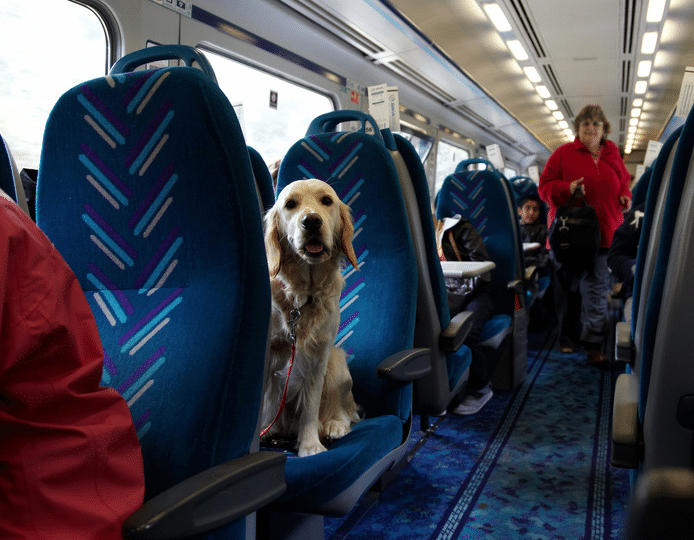
In the UK, British Railways have a more relaxed approach to pets. Dogs of all sizes can travel for free, provided they are leashed or in a carrier. However, certain trains might have restrictions during busy hours.
Imagine hopping on a train with your dog after a long walk in the countryside. It's possible in the UK, but always check specific train policies to avoid surprises.
Pet Policies Of European Railways
European railways vary widely in their pet policies. For example, SNCF in France allows small dogs in carriers for free and larger dogs for a fee. They require dogs to be muzzled when not in a carrier.
Traveling across borders in Europe? Always check the pet policies of each country’s railway. Wouldn't it be frustrating to arrive at a station only to realize your dog can't board the next train?
Pet Policies Of Indian Railways
Indian Railways have unique rules, allowing pets in first-class compartments. Dogs need to be booked separately, and you must buy an extra ticket for them. Your dog can enjoy the ride next to you in comfort.
Picture yourself traveling across India, sharing the scenic journey with your dog. It's an unforgettable experience, but make sure you understand the booking process to avoid any hiccups.
Understanding these policies can transform your travel experience. Have you ever faced unexpected challenges when traveling with your dog? Share your stories in the comments, and let's learn from each other. Knowing the rules is just the first step; adapting to them ensures a hassle-free trip for you and your furry friend.

Credit: petfriendlytravel.com
Preparing Your Dog For Train Travel
Train travel with your dog can be a delightful experience. Preparing your dog for train travel ensures a smooth journey for both of you. It involves getting your furry friend comfortable with the sights and sounds of a train ride. This preparation can help reduce stress and make the trip enjoyable.
Understanding Your Dog's Temperament
Every dog has a unique temperament. Some dogs love new experiences, while others need time to adjust. Recognizing your dog's temperament helps tailor your preparation strategy. For nervous dogs, start with short trips. Gradually increase the journey length as they become more comfortable.
Familiarizing Your Dog With Trains
Introduce your dog to the train environment before the actual trip. Visit train stations with your dog. Let them hear the sounds and see the movement. This exposure helps them get accustomed to the hustle and bustle of train travel.
Training Basic Commands
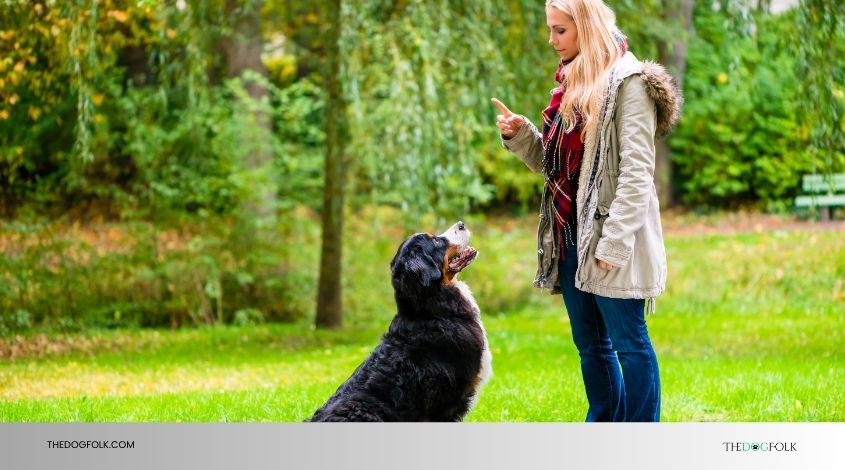
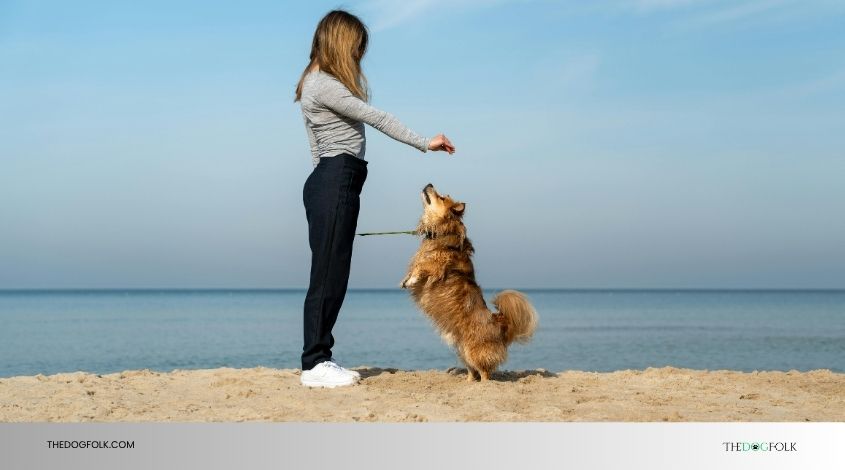
Basic commands are essential for a calm journey. Ensure your dog responds well to commands like sit, stay, and quiet. Practice these commands regularly. It helps manage your dog during unexpected situations on the train.
Preparing A Comfort Kit
Pack a comfort kit for your dog. Include their favorite toys, a blanket, and snacks. Familiar items can soothe your dog during the trip. Also, bring water and a bowl to keep them hydrated.
Ensuring Health Checkups
Visit the vet before traveling. Make sure your dog is healthy and vaccinated. Carry necessary medications if your dog has special health needs. A healthy dog is more likely to enjoy the journey.
Practicing Pre-travel Calmness
Stay calm and relaxed before the trip. Dogs sense your emotions. If you're calm, they will be too. Practice calmness by engaging in relaxing activities with your dog.
Are Boxer Dogs Easy To Train? Unveiling the Truth
Tips For A Smooth Journey
Traveling with your dog on a train can be a delightful experience. To ensure a smooth journey, preparation is key. Knowing the rules and having the right supplies can make the trip enjoyable for you and your furry friend.
Bring Comfort Items
Bring your dog's favorite blanket or toy. Familiar items can help them stay calm. It creates a cozy environment for your pet.
Pack Snacks And Water
Keep snacks and water handy for your dog. Hydration and nourishment are essential during travel. Use spill-proof containers for convenience.
Choose Pet-friendly Carriages
Look for trains with pet-friendly carriages. These areas are designed for animals. They often have more space and amenities.
Use A Secure Carrier
Use a secure carrier for small dogs. A carrier keeps them safe and comfortable. It also complies with train regulations.
Plan Bathroom Breaks
Schedule bathroom breaks during your journey. Long trips can be stressful without proper breaks. Know the schedule and plan accordingly.
Train Your Dog
Train your dog before the trip. Practice being in crowded places. Familiarize them with the sounds and movements of trains.
Check Pet Policies
Check the train's pet policies ahead of time. Rules vary by company and region. Ensure compliance to avoid surprises.
Keep Identification Handy
Have your dog's identification tags visible. Tags should have your contact information. It helps in case of emergencies.
Arrive Early
Arrive at the station early. Early arrival reduces stress. It allows time for your dog to acclimate.
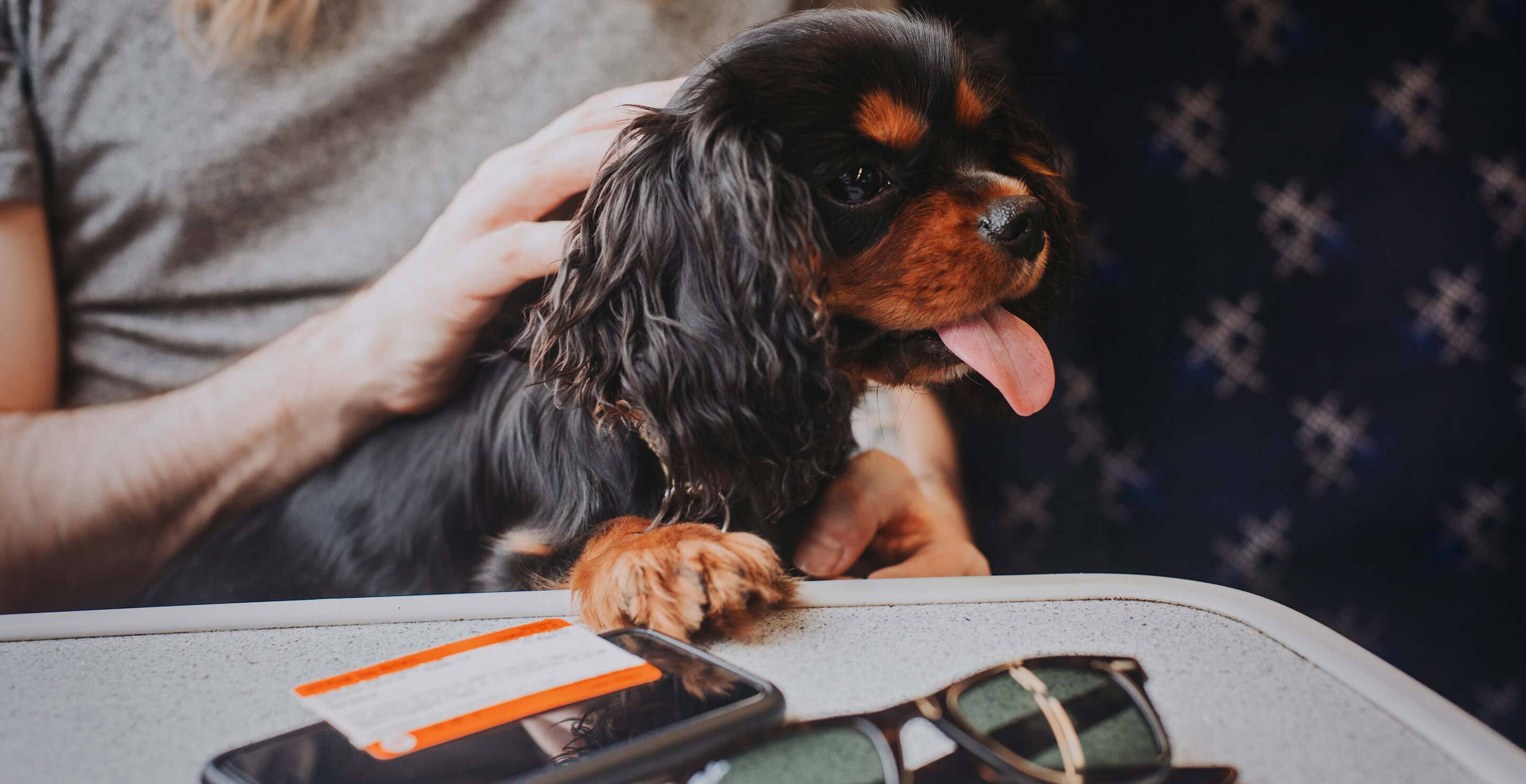
Credit: www.thetrainline.com
Frequently Asked Questions
Can Dogs Travel On All Train Services?
Most trains allow dogs, but rules vary. Check specific train company policies before traveling.
Do I Need To Buy A Ticket For My Dog?
Small dogs often travel for free. Larger dogs might need a ticket. Always verify with the train provider.
What Are The Requirements For Dogs On Trains?
Dogs must be leashed and well-behaved. Some trains may require muzzles. Check their guidelines beforehand.
Are There Specific Areas For Dogs On Trains?
Some trains have designated pet areas. It's best to inquire about them when booking your journey.
Conclusion
Traveling with dogs on trains is possible with some planning. Most train companies allow pets, but check their rules first. Size and breed may affect your dog's travel options. Always ensure your dog is comfortable and safe during the trip.
Bring essentials like water and food for longer journeys. Consider your pet's needs and behavior before traveling. Respect other passengers and follow train guidelines. Traveling with your dog can be a rewarding experience. Ensure your journey is smooth and enjoyable for both you and your furry friend.