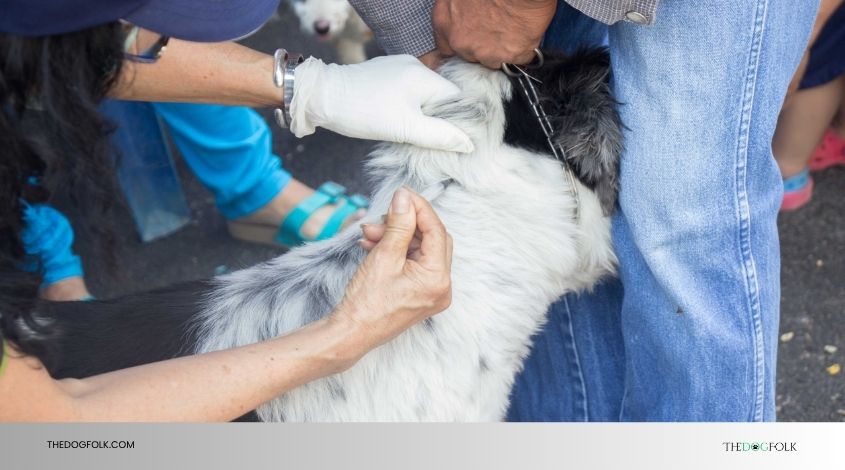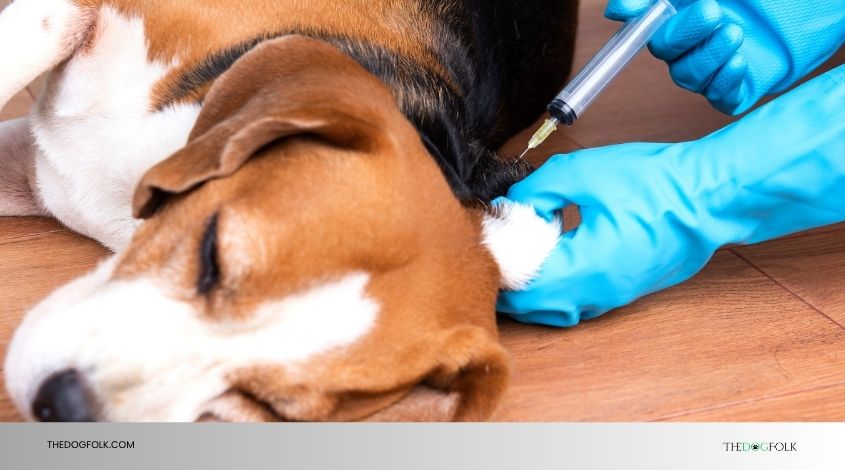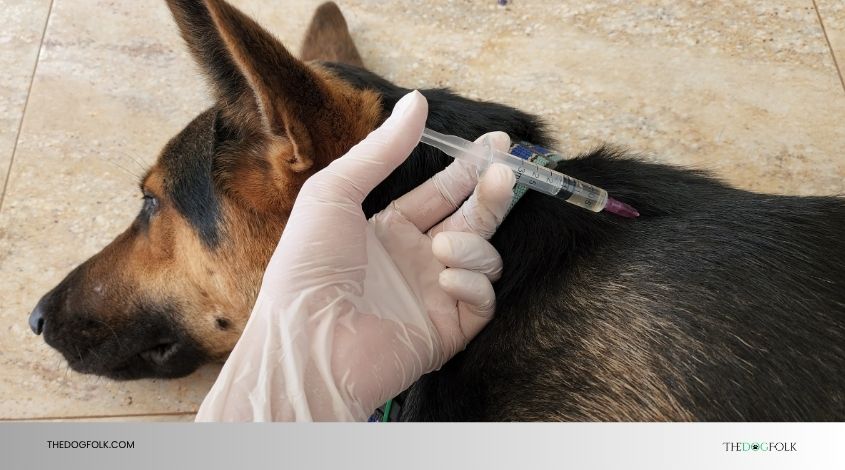
You've taken a crucial step in safeguarding your furry friend's health by getting them vaccinated. But what's next?
Navigating the post-vaccination period can sometimes feel like a puzzle. You might wonder, "What should I do to ensure my dog stays comfortable and healthy? " Or "Are there things I need to avoid? " You're not alone in these concerns, and this article is here to guide you through the essential do's and don'ts after dog vaccination.
By understanding these simple yet vital steps, you can help your dog bounce back quickly and enjoy their playful days without any hitches. Keep reading to discover how you can be the best caregiver for your beloved pet during this important time.
Post-vaccination Care
Ensure your dog rests post-vaccination, avoiding vigorous activities. Monitor for signs of discomfort or allergic reactions. Offer plenty of water and a quiet space for recovery, steering clear of unfamiliar environments.
When your furry friend gets vaccinated, it's a crucial step in ensuring their long-term health. However, what happens after the trip to the vet is just as important. Post-vaccination care can make a significant difference in how your dog feels and recovers. It's essential to know the right steps to take—and what to avoid—to ensure your dog is comfortable and safe. Ready to learn some practical tips on caring for your pup after their shots?
Monitor For Unusual Symptoms
Keep a close eye on your dog after vaccination. They might experience mild side effects like slight swelling at the injection site or a bit of lethargy. However, if you notice symptoms like vomiting, diarrhea, or persistent swelling, it's time to call your vet.
Limit Physical Activity
Your dog might want to play and run, but it's best to keep them calm. Avoid vigorous activities like long walks or rough play for at least 24 to 48 hours. This allows their immune system to respond properly without additional stress.
Provide Plenty Of Water
Hydration is key for recovery. Ensure your pup has constant access to fresh water. If they seem disinterested in drinking, try offering ice cubes or a little chicken broth to encourage them.
Offer A Comfortable Resting Area
Create a cozy space for your dog to relax. Use their favorite blanket or bed to make them feel safe. This comfort can help them recuperate faster by reducing stress and promoting rest.
Avoid Overfeeding
Your dog might have a reduced appetite post-vaccination. Offer small, easily digestible meals instead of their usual portions. If they refuse to eat, try a little boiled chicken or rice to tempt them.
Keep An Eye On Behavior Changes
Sometimes vaccines can affect your dog's mood. They might be more clingy or, conversely, want some alone time. Respect their needs and give them the space or attention they desire.
Communicate With Your Vet
Have your vet's contact information handy. If you're ever unsure about a symptom or behavior, don't hesitate to reach out. They can provide guidance and reassurance to ease your worries.
Resist The Urge To Self-diagnose
It's easy to jump to conclusions based on online information. However, every dog is different, and what applies to one may not apply to another. Trust your vet's expertise for any concerns you have. Taking the time to understand and implement these steps can make a world of difference for your dog post-vaccination. How do you ensure your dog feels secure and comfortable after visiting the vet? Share your thoughts and experiences in the comments!

Credit: pennypaws.com
Signs To Monitor
After vaccinating your dog, monitoring their health is crucial. Vaccinations protect against diseases but can cause side effects. Knowing what to watch for ensures your pet's well-being.
Lethargy And Fatigue
Dogs often feel tired after vaccinations. It's normal. They might sleep more than usual. Keep an eye on them. Ensure they rest comfortably.
Appetite Changes
Loss of appetite can occur. Your dog might eat less. Offer small, tasty meals. Monitor their eating habits closely.
Swelling At Injection Site
A small lump may form at the injection spot. This swelling is typically harmless. It should reduce in a few days. Contact your vet if it persists.
Mild Fever
A slight fever is another common reaction. Check your dog's temperature. Make sure they stay hydrated. A fever should fade quickly.
Allergic Reactions
Look for signs of allergies. These include hives and facial swelling. Difficulty breathing is serious. Seek immediate veterinary help if these occur.
Behavioral Changes
Your dog might act differently. They may seem irritable or anxious. Give them space and comfort. Behavioral changes usually don't last long.
Vomiting Or Diarrhea
Monitor for vomiting or diarrhea. These symptoms can appear post-vaccination. Keep your dog hydrated. Contact a vet if symptoms persist.
Activities To Avoid
After your dog receives vaccinations, care becomes crucial. Activities during this period can impact recovery. Knowing what to avoid ensures your pet's comfort. Here are key activities to steer clear of post-vaccination.
Restricting Strenuous Exercise
Avoid intense exercise immediately after vaccination. Dogs need rest to recover. Strenuous activities can strain their bodies. Opt for calm walks or gentle play instead.
Avoiding Exposure To Extreme Weather
Keep your dog away from extreme temperatures. Their bodies are more vulnerable post-vaccination. Extreme cold or heat can cause discomfort. Ensure a comfortable environment for your pet.
Skipping Grooming Sessions
Delay grooming sessions for a few days. Handling can cause stress. Avoid baths and grooming immediately after shots. Allow your dog time to settle first.
Preventing Interaction With Other Animals
Limit contact with other animals. Your dog's immune system needs time to adjust. Interaction with other pets may expose them to germs. Let them rest and recover in a quiet space.
Avoiding Unfamiliar Environments
Keep your dog in familiar surroundings. New environments can be overwhelming. Stress should be minimized post-vaccination. Stick to places they know well.
Skipping Unplanned Diet Changes
Maintain their usual diet. Avoid introducing new foods. Changes can upset their stomach. Stick with familiar meals for a few days.
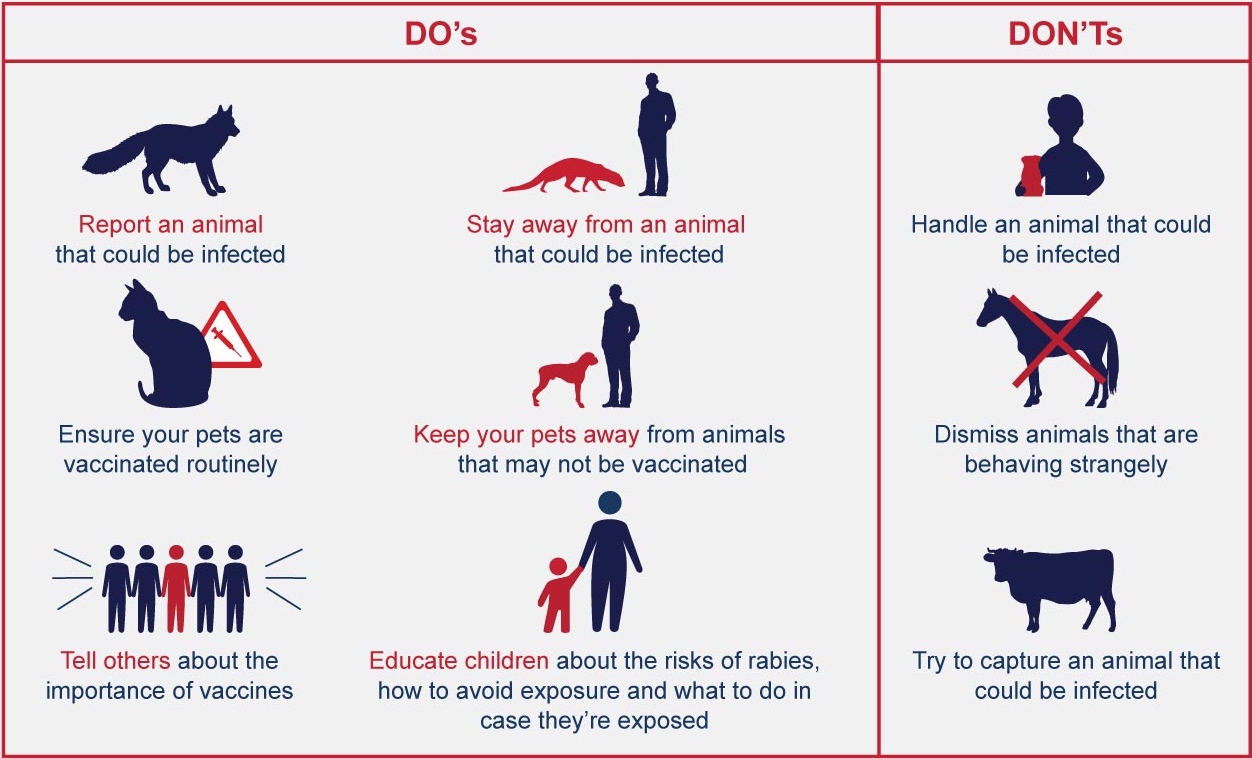
Credit: petlifeca.ca
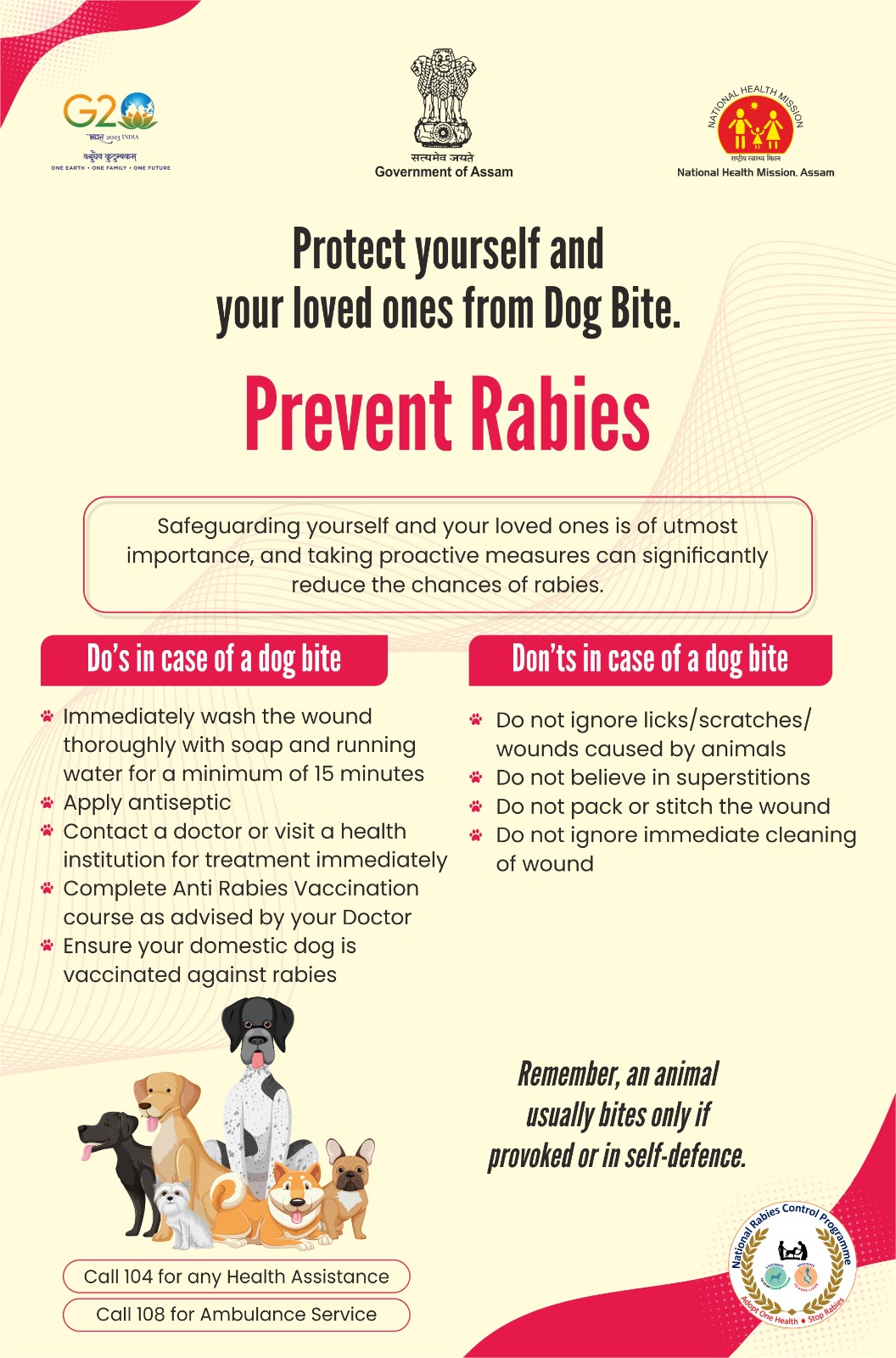
Credit: x.com
Frequently Asked Questions
What Should I Expect After Dog Vaccination?
Your dog might feel tired. Small swelling at the injection site is normal. Monitor for unusual symptoms.
Is It Normal For My Dog To Sleep A Lot?
Yes, increased sleep is common after vaccinations. It helps recovery. Ensure your dog stays hydrated.
Can My Dog Go For A Walk After Vaccination?
Short walks are okay. Avoid strenuous activity for a few days. Allow your dog to rest and recover.
How Do I Care For The Vaccine Site?
Keep the area clean and dry. Avoid touching or rubbing the site. Monitor for signs of infection.
Should I Feed My Dog Differently Post-vaccination?
Continue regular feeding. Offer light meals if your dog feels unwell. Ensure access to fresh water.
Conclusion
Caring for your dog after vaccination is crucial. Follow the do's and don'ts. Ensure your pet rests and stays hydrated. Monitor for any unusual reactions. Avoid high-energy activities for a few days. Keep your furry friend comfortable and calm. Consult the vet if concerns arise.
A little care goes a long way in ensuring your dog's health. Vaccinations protect your pet and those around them. Prioritize their well-being with these simple steps. Your dog deserves the best care possible after vaccination. Stay informed and attentive.
Enjoy many happy, healthy moments together.