Have you ever wondered how much dog training classes cost? Whether you're a new puppy parent or have a seasoned furry friend who could use a refresher, knowing the financial aspect is crucial.
Imagine having a well-behaved dog that listens and responds to your commands seamlessly. It's not just a dream—it's achievable, and understanding the investment required is your first step. Dog training classes can vary widely in price, and it's easy to get lost in a sea of options.
You might be asking yourself, "Is it worth it? What am I really paying for? " These are important questions, and the answers could transform your life with your pet. You deserve to know exactly what you’re signing up for and how it can benefit both you and your beloved dog. Stay with us as we break down everything you need to know about the costs of dog training classes. From budget-friendly options to premium packages, we'll guide you through the maze of choices, so you can make an informed decision that suits your needs and your wallet. Let's dive in and discover how much you're investing in a happier, more harmonious relationship with your canine companion.
Factors Influencing Cost
Dog training class costs vary based on factors like trainer experience, location, and class type. Group classes often cost less than private sessions. Specialized training, like agility or behavior modification, can increase expenses.
Dog training classes can vary significantly in cost, often leaving many pet owners scratching their heads. What makes one class more expensive than another? Several factors influence the price, and understanding these can help you make an informed decision for your furry friend.
Type Of Training
The type of training your dog needs is a major cost factor. Basic obedience classes are generally less expensive than specialized training. If your dog requires behavior modification or agility training, expect to pay more.
Trainer's Experience
A seasoned trainer with a proven track record may charge more for their services. Their expertise often brings faster results and a more enjoyable experience for both you and your dog.
Location
Where you live can significantly affect the cost of dog training classes. Urban areas tend to have higher prices due to increased demand and operational costs. If you're in a rural area, you might find more affordable options.
Class Size
Small group classes or private sessions usually cost more than larger group classes. Smaller classes offer personalized attention, which can be invaluable if your dog has specific needs.
Duration And Frequency
The length and frequency of the classes also impact the cost. Longer and more frequent sessions often come with a higher price tag. However, they may lead to better outcomes, which could save you money in the long run.
Additional Services
Some trainers offer extra services like home visits or follow-up consultations, which can add to the cost. These services might be beneficial if you need ongoing support. Have you considered all these factors when budgeting for your dog's training? Investing in the right training can lead to a happier, healthier relationship with your pet.
Credit: www.patriciamcconnell.com
Types Of Dog Training Classes
Choosing the right dog training class can feel overwhelming. With so many options available, understanding the different types can help you make a smart decision. Whether you're looking to strengthen your bond with your furry friend or address specific behavioral issues, there's a class tailored just for you.
Basic Obedience Training
Basic obedience training is perfect for new dog owners. These classes focus on essential commands like sit, stay, and come. They lay the groundwork for good manners, making everyday interactions smoother. If you've ever struggled with your dog jumping on guests, this class is a lifesaver.
Advanced Obedience Training
Once your dog masters basic commands, consider advancing to the next level. Advanced obedience training introduces more complex skills. These classes might teach your dog how to heel perfectly or respond to commands at a distance. It's a rewarding challenge for both you and your pet.
Behavioral Training Classes
Behavioral training is invaluable for addressing specific issues. If your dog barks excessively or shows aggression, these classes provide targeted solutions. Trainers use various techniques to modify unwanted behaviors. Imagine transforming your anxious dog into a calm companion.
Agility Training Classes
Agility training is a fun way to engage active dogs. These classes involve obstacle courses that test speed and coordination. They’re perfect for energetic breeds that need an outlet for their energy. Plus, running through tunnels and jumping hurdles can be a thrilling experience for both of you.
Socialization Classes
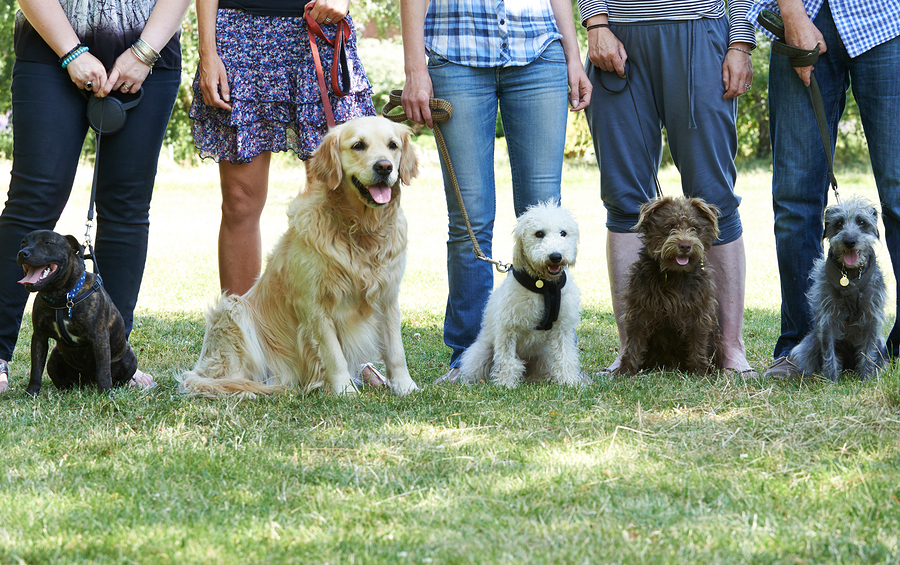
Socialization classes are essential for puppies. They expose young dogs to different people, environments, and other animals. This helps prevent fear and aggression later in life. Have you ever noticed how some dogs are perfectly calm in bustling parks? Often, they’ve benefited from early socialization.
Therapy Dog Training
Therapy dog training prepares dogs to provide comfort in hospitals and nursing homes. These classes focus on gentle behavior and responsiveness. It’s incredible to see how dogs can brighten someone’s day just by being present. If you want your dog to make a difference in people’s lives, this training is key.
With so many types of dog training classes, which one suits your dog's needs? Consider your goals and your dog's personality. The right class can transform not only your dog's behavior but also your relationship with them. What kind of change are you hoping to see in your furry friend?
Budget-friendly Training Options
Training your dog doesn't have to break the bank. Many budget-friendly options exist for dog owners on a tight budget. Affordable classes can provide essential skills without high costs. Explore these economical methods for effective dog training.
Group Classes At Local Community Centers
Community centers often offer group classes at lower rates. These classes provide socialization for your dog. They also teach basic obedience skills. Trainers keep sessions engaging and interactive. This helps your dog learn quickly. Check your local center for available classes.
Online Courses And Tutorials
Online courses are flexible and affordable. Many platforms offer free or low-cost options. Videos and tutorials guide you through training steps. Access these resources from home. This saves time and money on travel. Choose courses that fit your dog's needs.
Volunteer Programs And Workshops
Some organizations host free workshops. Volunteers often assist in training sessions. These programs aim to educate dog owners. They focus on teaching basic commands. Volunteers share valuable tips and techniques. Research local programs for free training opportunities.
Pet Store Training Sessions
Pet stores sometimes offer budget-friendly training classes. These sessions are led by experienced trainers. They cover essential obedience and behavior skills. Store classes are convenient and cost-effective. Check with local pet stores for their training schedules.
Training Apps And Mobile Resources
Training apps provide guidance at your fingertips. Many apps offer free features for basic training. They include step-by-step instructions. Mobile resources are easy to use. They help track your dog's progress. Explore app stores for training tools that fit your budget.

Credit: muddycreekanimalcare.com

Credit: www.petco.com
Frequently Asked Questions
How Much Do Dog Training Classes Usually Cost?
Dog training classes typically range from $30 to $80 per session. Prices vary by location and trainer expertise.
Are Group Dog Training Classes Cheaper?
Yes, group classes are usually more affordable. They can cost $50 to $125 for a multi-week course.
Do Private Dog Training Sessions Cost More?
Private sessions are generally more expensive. They often range from $75 to $200 per session.
Is Online Dog Training A Cheaper Option?
Online training is often cheaper. Prices start around $20 per session, offering flexibility and convenience.
Conclusion
Dog training classes vary in price. Costs depend on location and trainer. Group sessions are often cheaper than private ones. Consider your dog's needs and your budget. Some trainers offer packages or discounts. Always research and compare before choosing a class.
Quality training helps improve your dog's behavior. It also strengthens your bond. Investing in good training can save future stress. Happy dogs mean happy owners. So, weigh your options carefully. Choose wisely for a better relationship with your furry friend.