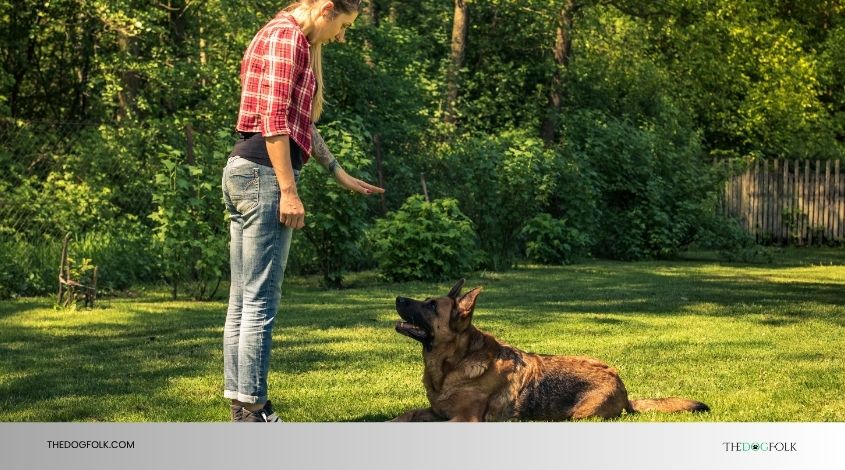
Training a dog is a rewarding journey, but when your furry friend is deaf, it comes with its unique set of challenges and joys. You might wonder how you can communicate effectively with a dog that can't hear your voice.
The good news is, you can! With the right techniques, your bond with your deaf dog can be just as strong, if not stronger. Imagine the satisfaction of seeing your dog respond to your cues, feeling the connection deepen as they understand you in their own special way.
Whether you're a seasoned dog owner or new to this experience, learning how to train a deaf dog can open doors to a whole new level of understanding and companionship. Let's dive into practical tips that will make training your deaf dog not only possible, but incredibly fulfilling.
Credit: deafdogsrock.com
Understanding Deafness In Dogs
Training a deaf dog involves using hand signals and positive reinforcement. Visual cues like lights or vibrations can grab their attention. Consistency and patience are key to successful communication.
Understanding deafness in dogs can open up new ways to connect and communicate with your furry friend. Deafness in dogs might seem like a challenge, but with the right approach, it can lead to a rewarding experience for both you and your dog. Whether your dog was born deaf or lost its hearing due to age or illness, understanding their unique needs is the first step in building a strong bond.
What Causes Deafness In Dogs?
Dogs can be deaf for various reasons. Some are born deaf due to genetic factors, while others may lose their hearing due to injury or illness. Age-related hearing loss is also common. Knowing the cause can help you tailor your training approach. For example, a dog that gradually lost hearing might be more responsive to visual cues than a dog that was born deaf.
Signs Your Dog Might Be Deaf
You might notice your dog doesn’t respond to sounds like their name or a doorbell. They could also startle easily when approached from behind. If your dog ignores sounds but reacts to vibrations or visual signals, it’s time to consider their hearing abilities. You can test their hearing by making a sound out of their sight range to see if they react.
Impact Of Deafness On Dog Behavior
Deafness can affect your dog's behavior and social interactions. They might become more dependent on visual cues and touch. Some dogs may become anxious or aggressive if startled. Observing your dog’s behavior can help you determine the best training methods. For instance, using vibrations or gestures can help communicate effectively without causing distress.
How To Communicate With A Deaf Dog
Visual signals become crucial when communicating with a deaf dog. Use hand gestures and facial expressions to convey commands. Consistency is key; your dog will learn to associate specific gestures with actions. You can also use vibrations, like tapping the floor, to get their attention. Experiment with different methods to find what works best for your dog.
Building A Strong Bond With Your Deaf Dog
Training a deaf dog requires patience, creativity, and love. Celebrate small victories and stay positive. Your dog will rely on you for guidance and reassurance, strengthening your bond. Remember, every dog is different; what works for one might not work for another. Are you ready to discover the unique ways your dog communicates with you?
Effective Communication Techniques
Training a deaf dog involves using visual cues and touch. Hand signals become essential for commands like sit or stay. Consistent routines and positive reinforcement help in building trust and understanding.
Training a deaf dog may seem challenging at first, but it opens up a world of unique and fulfilling communication experiences. Effective communication techniques can transform your connection with your furry friend, ensuring they understand your commands and feel secure. The key lies in visual signals, tactile cues, and a whole lot of patience.
Visual Signals
Visual signals become your primary language with a deaf dog. Think of hand signals as words—they need to be consistent and clear. Use gestures like pointing to the ground for "sit" or moving your hand away for "stay". A personal tip: I found success in using exaggerated facial expressions to convey emotions. A big smile for "good job" or a stern look for "no". You'll be surprised how quickly dogs pick up on these cues.
Tactile Cues
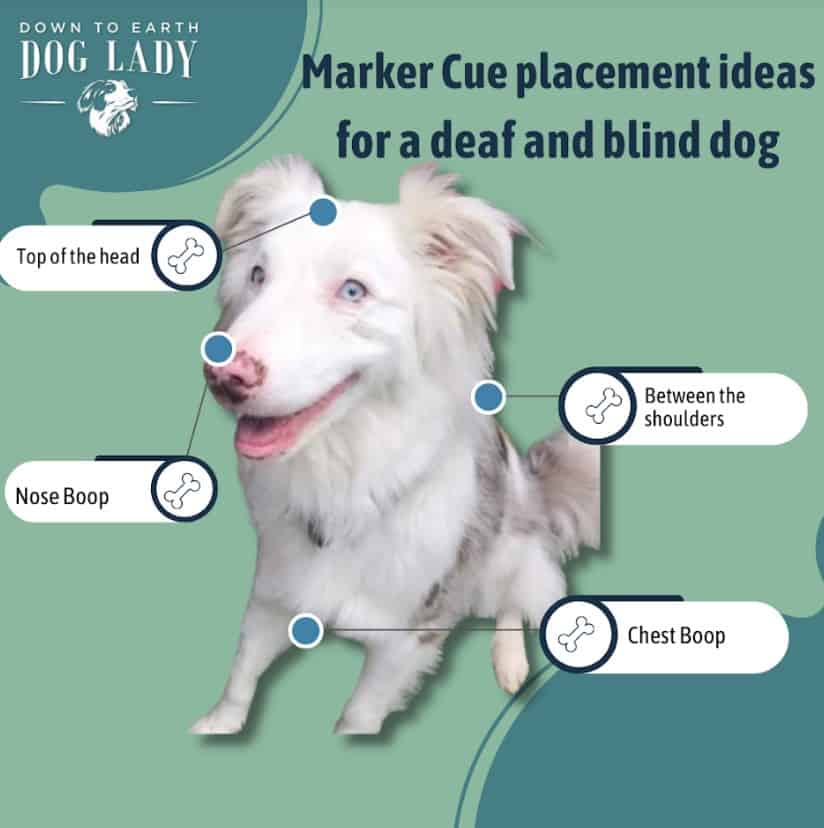
Tactile cues involve physical touch and can effectively grab your deaf dog's attention. A gentle tap on the back or shoulder can signal a command change. Vibrations also work wonders; try tapping your foot on the floor to get their focus. During my training sessions, I noticed that a light touch paired with a treat reinforced positive behavior. This combination can help your dog associate touch with good things, enhancing learning.
Vibration Tools
Using vibration collars is another option. These are not shock collars, but devices that gently vibrate to get your dog's attention. It mimics a tap on the shoulder from afar, which can be useful during walks or playtime. It's essential to introduce the collar gradually, ensuring your dog isn't startled. Use it alongside rewarding treats to create positive associations.
Establishing Eye Contact
Eye contact is crucial in building a bond with your deaf dog. Regularly practice looking into their eyes to foster trust and ensure they watch you for signals. This habit strengthens your non-verbal communication. I often made it a game to maintain eye contact. Rewarding them for holding my gaze helped build their confidence and trust.
Routine And Consistency
Dogs thrive on routine, and deaf dogs are no different. Consistency in your signals and daily schedule helps them feel secure and understand what to expect. This predictability eases training and reduces anxiety. Reflect on your daily practices. Are you consistent with your cues and routines? Small changes can significantly impact your dog's understanding and comfort.
Patience And Positive Reinforcement
Training a deaf dog requires patience and constant positive reinforcement. Celebrate small victories, and remember that every dog learns at their own pace. Positive reinforcement, like treats and affection, encourages them to repeat desired behaviors. Think about your training sessions as opportunities to deepen your relationship. How can you make them enjoyable for both you and your dog? A little patience and encouragement can make all the difference.
Training Tips And Tools
Teaching a deaf dog involves using hand signals and visual cues. Consistent routines help dogs understand commands. Rewards, like treats or toys, reinforce positive behavior.
Training a deaf dog may seem daunting, but it's a journey filled with rewarding moments. With the right tips and tools, you can communicate effectively with your furry friend. It's all about patience, creativity, and consistency. Are you ready to embark on this adventure? Let's dive into some practical advice.
Use Visual Cues
Visual cues are your best friend. Dogs are naturally observant, and deaf dogs rely heavily on their sense of sight. Use hand signals to communicate commands. Start with simple gestures like a thumbs-up for "good job." Over time, create a set of signals that both you and your dog understand.
Leverage Touch
Touch can be a powerful tool. A gentle tap on your dog's shoulder can get their attention. It's important to make sure your touch is consistent and gentle, so your dog associates it positively. Have you ever noticed how a gentle touch can calm a dog? Use this to your advantage.
Consistency Is Key
Consistency builds trust. Stick to the same signals and routines. If you use a hand signal for "sit," use the same one every time. This predictability helps your dog feel secure and understand what's expected. How would you feel if the rules kept changing?
Reward Positive Behavior
Rewards motivate dogs. Use treats or toys to reinforce good behavior. When your dog responds correctly to a signal, reward them immediately. This makes learning a fun and engaging process. Who doesn't love a tasty treat after a job well done?
Use Vibrating Collars
Vibrating collars can be handy tools. These collars gently vibrate to get your dog’s attention without causing discomfort. It's like a tap on the shoulder but from a distance. Have you tried a vibrating collar with your dog?
Create A Safe Environment
Safety is crucial. Make sure your home is secure. Use gates to prevent escape and clear pathways to avoid accidents. A safe environment means less stress for both you and your dog. How can you make your home safer for your pet?
Be Patient And Positive
Training takes time. Patience and positivity are your allies. Celebrate small victories and don't rush the process. Remember, every dog learns at their own pace. How do you handle setbacks with your dog? Remember, training a deaf dog is not just about teaching commands; it's about building a bond. With each success, you and your dog grow closer. Are you ready to deepen that connection?

Credit: www.akc.org
Credit: deafdogsrock.com
Frequently Asked Questions
How Do You Communicate With A Deaf Dog?
Use hand signals and facial expressions. Consistency is key. Reward positive behavior with treats and affection.
What Are The Best Training Methods For Deaf Dogs?
Use positive reinforcement. Combine treats, visual signals, and gentle touch. Maintain a consistent training routine.
Can Deaf Dogs Learn Sign Language?
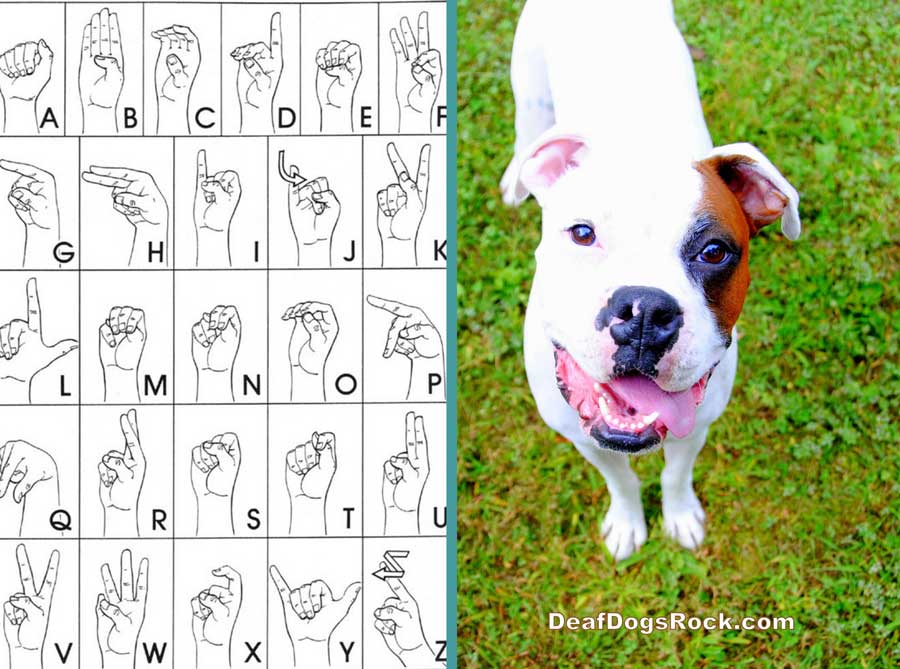
Yes, they can learn basic sign commands. Patience and repetition help them understand the signals.
How Do You Get A Deaf Dog's Attention?
Use vibrations. Stomp on the ground or flash a light. Tap their shoulder gently.
Conclusion
Training a deaf dog is a rewarding journey. Use patience and creativity. Visual cues and hand signals work well. Consistent routines build trust and understanding. Positive reinforcement motivates and encourages your dog. Celebrate small wins together. Your bond will grow strong and deep.
Enjoy moments of progress and connection. Embrace this unique experience and learn together. Deaf dogs can lead happy lives with love and care. Your dedication makes all the difference. Keep exploring new ways to communicate. Your furry friend will thank you with loyalty and joy.