You love your dog like family, and you want to ensure they're safe and healthy. But when it comes to vaccinations, it's easy to feel overwhelmed.
One of the most important vaccines out there is the rabies vaccine. You might be asking yourself, "Does my dog really need it? " The answer could impact not only your dog's health but also your peace of mind. Dive into this article to discover the crucial facts about the rabies vaccine, why it's essential for your furry friend, and how it can protect them—and you—from this deadly disease.
Don't miss out on learning how you can safeguard your beloved pet.

Credit: insightvetwellness.com
Importance Of Rabies Vaccine
The rabies vaccine plays a crucial role in keeping dogs healthy. Rabies is a deadly virus that can affect both animals and humans. Vaccinating your dog against rabies is essential for their safety and well-being. It also helps protect your family and community from the spread of this dangerous disease. The importance of rabies vaccination cannot be overstated.
Why Rabies Is A Serious Threat
Rabies can cause severe symptoms in dogs. These include aggression, paralysis, and even death. The virus spreads through bites from infected animals. Once symptoms appear, rabies is almost always fatal. Vaccination is the best defense against this threat.
Protecting Your Dog And Family
Vaccinating your dog safeguards not only your pet but also your family. A vaccinated dog is less likely to contract and spread rabies. This reduces the risk of exposure for everyone in your home. Keeping your dog vaccinated helps ensure a safe environment.
Legal Requirements For Dog Owners
In many areas, rabies vaccination is required by law. Not vaccinating your dog can lead to fines and legal issues. Ensuring your dog gets their rabies shots helps you comply with local regulations. This keeps you and your dog on the right side of the law.
Contribution To Public Health
Rabies vaccination contributes to broader public health efforts. When more dogs are vaccinated, the spread of rabies decreases. This helps protect other pets and wildlife in your community. Vaccination is a collective effort to keep everyone safe.
Peace Of Mind For Pet Owners
Knowing your dog is vaccinated gives peace of mind. You can relax knowing they are protected from a deadly disease. This assurance is invaluable for responsible pet owners. Vaccinating your dog is an act of love and care.

Credit: www.npr.org
Risks Of Skipping Vaccination
Dogs face serious health risks without the rabies vaccine. Rabies can lead to fatal outcomes and endanger humans and animals. Vaccination protects against this deadly disease, ensuring safety for pets and communities alike.
When it comes to keeping your furry friend healthy, skipping vaccinations like the rabies shot can pose significant risks. Rabies is a deadly virus that affects the nervous system and can spread from animals to humans. Choosing not to vaccinate your dog not only puts their life at risk but also endangers your family and community.
Exposure To Rabies Virus
If your dog isn't vaccinated, they are more vulnerable to the rabies virus. This virus can spread through a bite from an infected animal. Even a small scratch or open wound can be a gateway for infection. Imagine the anxiety of wondering if the playful nip from a stray animal might turn into a health crisis.
Legal Consequences
In many areas, rabies vaccination is legally required. If your dog bites someone and isn’t vaccinated, you could face legal issues. Authorities might quarantine your pet or worse, order euthanasia to test for rabies. It’s a heartbreaking scenario that could have been avoided with a simple vaccine.
Threat To Public Safety
An unvaccinated dog is a potential risk to public health. Rabies can transmit from dogs to humans, leading to fatal outcomes if untreated. Would you want to be responsible for a community health scare? Vaccinating your dog is an essential step in protecting not just them but everyone around you.
Financial Implications
Treating a dog with rabies can be costly. Emergency veterinary care, tests, and potential legal fees add up quickly. A vaccine is a small investment compared to the financial burden of dealing with rabies. Isn’t it better to spend a little now to save a lot later?
Emotional Toll
The emotional impact of a rabies scare can be overwhelming. You might face fear, guilt, and heartbreak watching your dog suffer. Can you imagine the regret of knowing a simple vaccination could have spared your pet and your family from this distress?
Vaccinating your dog against rabies is a straightforward step to avoid these risks. It's about ensuring peace of mind, protecting your community, and saving your beloved pet from unnecessary suffering. Would you risk skipping a vaccine when it offers so much protection?
Vaccination Schedule And Guidelines
Ensuring your furry friend stays healthy is a top priority, and understanding the vaccination schedule for rabies is crucial. Rabies is a deadly virus, and vaccinating your dog is not just a recommendation, but often a legal requirement. Knowing when and how to vaccinate your dog can save lives and prevent potential heartbreak.
Vaccination Schedule
Puppies usually receive their first rabies vaccine between 12 to 16 weeks of age. This timing ensures they have a robust immune response. After the initial shot, your dog will need a booster one year later.
Adult dogs typically receive rabies vaccines every one to three years. The exact timing depends on the vaccine used and local regulations. Always check with your vet to confirm your dog's vaccination schedule.
State And Local Regulations
Did you know that rabies vaccination laws vary by location? Some areas require annual vaccinations, while others may accept a three-year schedule. It's essential to familiarize yourself with the regulations in your area. This knowledge helps you avoid fines and ensures your dog is protected.
Your vet is a valuable resource for navigating these guidelines. They can provide specific advice based on where you live, ensuring your dog remains compliant and safe.
Why Regular Vaccination Matters
Regular vaccination is your dog's shield against rabies. It protects not only your pet but also your family and community. Rabies is almost always fatal once symptoms appear, so prevention is key.
Imagine the peace of mind knowing your dog is safeguarded. With regular vaccines, you are investing in their health and safety. It’s a small effort with a big impact.
Preparing For Vet Visits
Scheduling vaccinations can be a hassle, but preparation makes it easier. Keep a calendar with your dog's vaccination dates. This ensures you never miss an important appointment.
Bring your dog's medical records to each vet visit. This helps your vet make informed decisions about your pet's care. It’s a simple step that can streamline the process.
Common Concerns And Questions
Are you worried about vaccine side effects? Most dogs experience minimal reactions, like slight soreness or lethargy. These symptoms usually resolve quickly.
If your dog has a history of reactions, discuss it with your vet. They might suggest pre-medication or alternative vaccines. Your vet is there to guide and reassure you.
Ultimately, rabies vaccination is a vital part of your dog's healthcare routine. Are you ready to take action and ensure your pet's safety? Remember, a little planning goes a long way. Protect your dog and keep them happy and healthy!
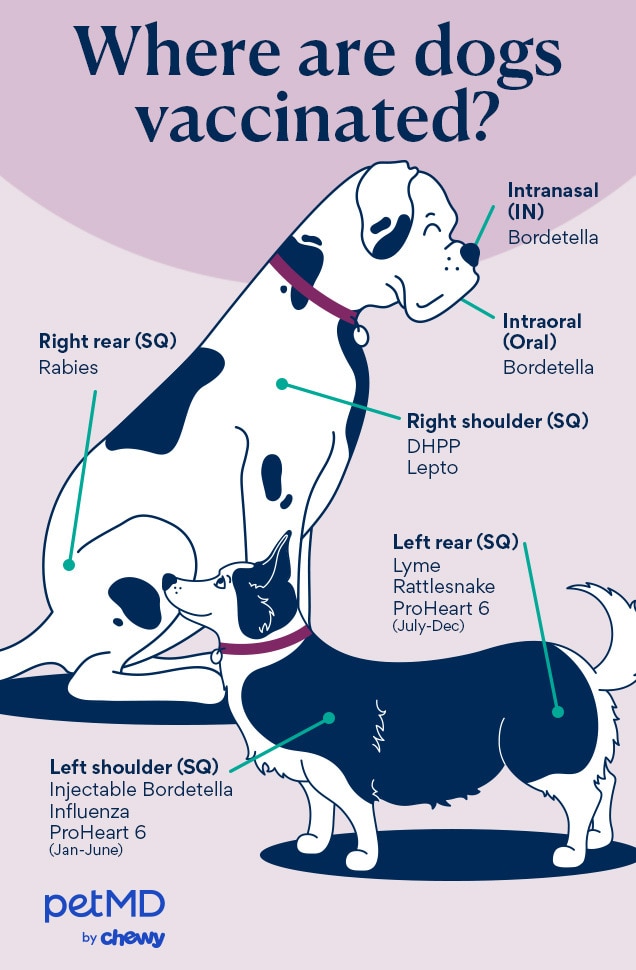
Credit: www.petmd.com
Frequently Asked Questions
Why Do Dogs Need Rabies Vaccines?
Rabies vaccines protect dogs from a deadly virus. This virus can spread to humans. Vaccination is essential for safety.
How Often Should Dogs Get Rabies Shots?
Dogs usually get rabies shots every one to three years. Check local laws and veterinary guidelines for specifics.
Can Rabies Vaccines Cause Side Effects In Dogs?
Some dogs may have mild side effects like soreness or fever. Serious reactions are rare but possible. Consult a vet.
Is Rabies Vaccination Mandatory For All Dogs?
In many areas, rabies vaccination is required by law. It helps prevent outbreaks and ensures public safety.
What Happens If My Dog Misses A Rabies Shot?
Missing a rabies shot increases risk of infection. Contact a vet immediately to update vaccinations and ensure protection.
Conclusion
Dogs benefit greatly from the rabies vaccine. It protects them from a deadly virus. Rabies is a serious threat to pets and people. A vaccinated dog keeps your home safer. Regular vet visits ensure they stay healthy. Always consult your vet about vaccinations.
They know what's best for your pet. Rabies vaccines are crucial for your dog's wellbeing. Prioritize your dog's health and safety. Keep them protected and happy. Vaccination is a small step with big benefits. Choose safety for peace of mind.
Your dog deserves the best care possible.