
Imagine your playful puppy scampering around the house, full of energy and curiosity. As a loving pet owner, you want nothing but the best for your furry friend.
But here's the question that might be lingering in your mind: can puppies eat regular dog food? It's a crucial query because feeding your puppy properly is essential for their growth and health. You might be wondering if the food you give your adult dog is suitable for your puppy too.
The answer isn't as straightforward as you might think. Stick with us as we unravel the facts and guide you towards making informed decisions for your puppy's nutritional needs. Your puppy's future health could depend on it, and you wouldn't want to miss out on these vital insights.
Credit: greensafaris.com
Nutritional Needs Of Puppies
Puppies have specific nutritional needs for healthy growth. Regular dog food often lacks essential nutrients for young puppies. Opt for puppy-specific formulas rich in protein and vitamins to support development.
Puppies are bundles of energy with specific nutritional needs that differ from adult dogs. As these little furballs grow, their bodies require a diet rich in certain nutrients to support their rapid development. Feeding them regular dog food might not provide the essential nutrients they need for a strong start. Understanding their nutritional needs is crucial to ensure they grow healthy and strong.
Understanding Protein Requirements
Protein is the building block of a puppy's growth. It supports muscle development and overall health. Puppies need more protein than adult dogs because they are growing rapidly. Consider a high-quality puppy food that lists meat as the first ingredient. Your puppy's energy levels and playful antics are fueled by this vital nutrient.
Calcium And Phosphorus For Strong Bones
Puppies are like little explorers, eager to jump, run, and play. Strong bones are essential for their active lifestyle. Calcium and phosphorus are crucial minerals that contribute to bone health. A balanced puppy diet ensures these minerals are in the right ratio. Beware of feeding your puppy homemade meals without professional guidance, as it can lead to imbalances.
Healthy Fats For Brain Development
Did you know that fats are essential for brain development in puppies? Omega-3 fatty acids, found in fish oil, are particularly beneficial for cognitive growth. If you want your puppy to be sharp and quick to learn, ensure their diet includes these healthy fats. They also contribute to a shiny coat and healthy skin.
The Role Of Vitamins And Minerals
Vitamins and minerals might sound like something out of a science class, but they play a vital role in a puppy's diet. Vitamins like A, D, and E support vision, immune function, and skin health. Minerals such as zinc and iron are essential for a robust immune system. A well-rounded puppy food will include these nutrients in appropriate amounts.
Why Regular Dog Food Falls Short
Feeding your puppy regular dog food might seem convenient, but it often lacks the nutrients they need. Adult dog food is formulated for maintenance, not growth. Puppies require different nutrient levels to support their development. Choosing the right puppy food can make a significant difference in their health and happiness. Have you noticed your puppy's insatiable curiosity and boundless energy? Their diet plays a crucial role in fueling these traits. By understanding their nutritional needs, you can ensure they thrive during their formative months. Are you ready to give your puppy the best start in life with the right nutrition?

Credit: egsolutions.com
Differences Between Puppy And Adult Dog Food
Puppies have unique nutritional needs. These needs differ from adult dogs. Their rapid growth requires specific nutrients. Puppy food is designed for this purpose. Adult dog food serves different needs. Understanding these differences helps in choosing the right food.
Differences In Nutritional Content
Puppy food has more protein. This supports muscle development. It also contains more fat. Fat provides energy for growth. Adult dog food has balanced nutrients. It caters to maintenance, not growth.
Calcium And Phosphorus Levels
Calcium and phosphorus are crucial. They support bone development. Puppy food has higher levels of these minerals. Adult food has lower levels. Too much can harm adult dogs.
Caloric Density
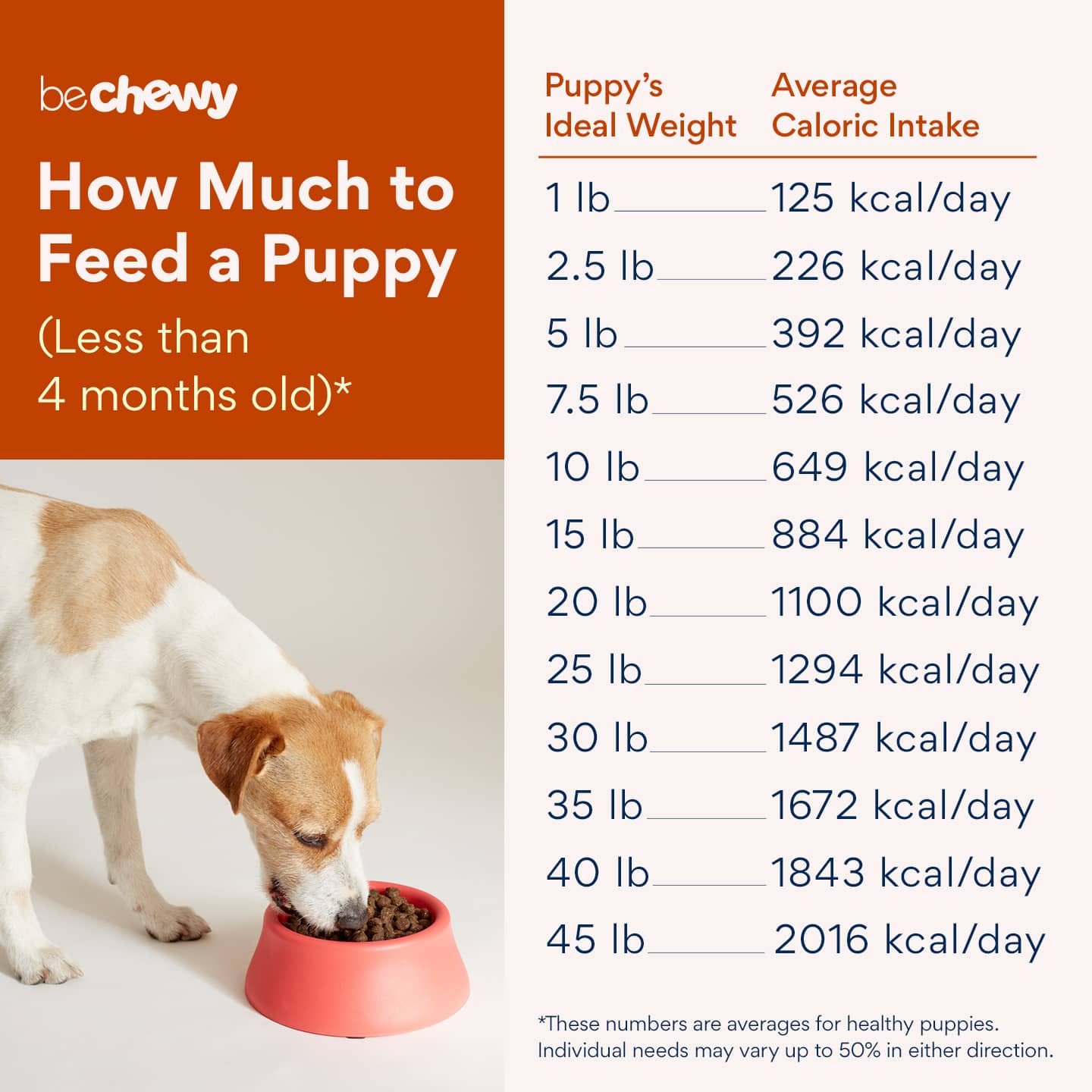
Puppy food is calorie-rich. Puppies need more calories to grow. Adult food has fewer calories. It prevents weight gain in mature dogs.
Vitamins And Minerals
Puppies require more vitamins and minerals. These aid in healthy development. Puppy food is fortified with these nutrients. Adult food contains fewer supplements. It focuses on maintaining health.
Texture And Size Of Kibble
Puppy food has smaller kibble. This makes chewing easier. It also has a softer texture. Adult food has larger kibble. It suits stronger jaws.
Expert Recommendations For Puppy Diet
Choosing the right diet for your puppy is crucial for their growth and health. Many new pet owners wonder if regular dog food is suitable for puppies. Experts in veterinary nutrition emphasize the importance of a diet tailored specifically for puppies. It's not just about feeding them; it's about ensuring they receive the right nutrients at the right stages of their development.
Experts suggest starting with specially formulated puppy food. It's designed to meet the nutritional needs of growing pups. Puppy food contains higher levels of proteins, fats, and certain vitamins crucial for development.
Transitioning to regular dog food should be gradual and based on your puppy's age and breed. Bigger breeds may need puppy food longer than smaller ones. Always consult your veterinarian to determine the right time to switch.
Why Is Puppy Food Different?
Puppy food is different because puppies have different nutritional needs than adult dogs. Their bodies are growing rapidly, requiring more calories and nutrients. Regular dog food may not provide these in adequate amounts.
Think of it this way: would you feed a baby the same food as an adult? Puppies require a diet that supports their unique growth patterns and energy levels.
How To Choose The Right Puppy Food?
Look for food specifically labeled for puppies. Check for high protein content and essential fatty acids. These are vital for muscle development and brain growth.
Consider your puppy's breed when selecting food. Some brands cater to specific breeds, offering tailored nutrient profiles. Your vet can help guide you in selecting the best option.
Common Mistakes In Puppy Feeding
Avoid feeding your puppy adult dog food too soon. It can lead to nutritional deficiencies and health issues. Puppies need more calories and nutrients than adult dogs.
Another common mistake is overfeeding. Puppies can be enthusiastic eaters, but it's important to follow portion guidelines. Obesity can lead to long-term health problems.
What Do Experts Say About Homemade Diets?
Some pet owners opt for homemade diets for their puppies. Experts caution that balancing nutrients is challenging without professional guidance. Puppies need precise amounts of proteins, fats, and vitamins.
If you choose this route, consult a veterinary nutritionist. They can help you design a balanced diet plan that meets your puppy's specific needs.
Feeding your puppy correctly lays the foundation for a healthy life. Are you confident your puppy's diet is optimized for their growth? Ensuring your puppy receives the right nutrients can prevent future health issues and support their development into a happy, healthy adult dog.

Credit: egsolutions.com
Frequently Asked Questions
Can Puppies Eat Adult Dog Food Safely?
Puppies need specific nutrients not found in adult food. Always choose puppy-formulated food for their growth.
How Does Puppy Food Differ From Adult Dog Food?
Puppy food is richer in proteins and fats. It supports rapid growth and development.
Why Is Puppy Food Important For Growth?
Puppy food provides essential nutrients. It ensures healthy bone development and energy levels.
At What Age Can Puppies Switch To Adult Dog Food?
Most puppies transition at 12 months. Larger breeds might need more time.
What Happens If A Puppy Eats Adult Dog Food?
Eating adult food occasionally isn't harmful. Regular intake can lead to nutrient deficiencies.
Conclusion
Puppies need special care with their diet. Regular dog food often lacks essential nutrients for their growth. Always choose puppy-specific food for them. Consult your vet for the best options. Proper nutrition ensures healthy development and strong bones. Remember, a well-fed puppy is a happy puppy.
Adjust their diet as they grow. Monitor their weight and energy levels. Feed them according to their age and size. Keep water always accessible. This helps with digestion. A balanced diet supports their playful, energetic nature. Make informed choices for their health and happiness.
Your puppy deserves the best start in life.