
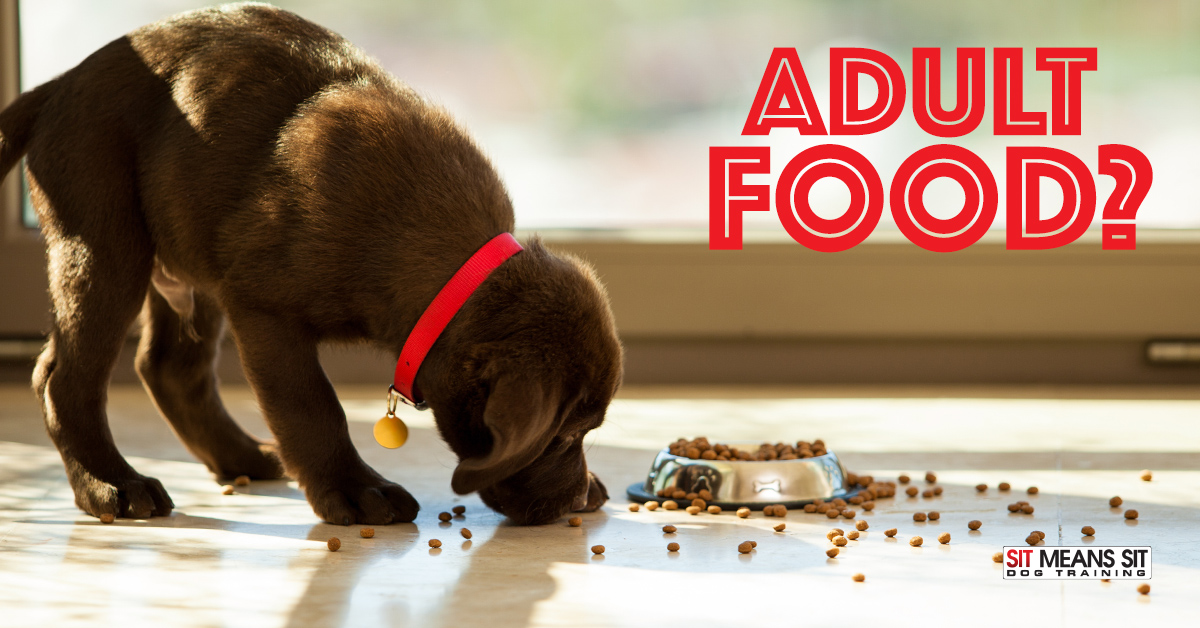
Imagine this: you've just welcomed a new puppy into your home, and amidst the excitement, you're faced with the question of what to feed your little bundle of joy. You might be wondering if it's okay to simply share your adult dog's food with your puppy.
After all, it seems convenient and cost-effective, right? But hold on! Your puppy's nutritional needs are vastly different from those of an adult dog. Feeding your puppy the wrong food can impact their growth, energy, and overall health. We'll unravel the truth about whether puppies can eat adult dog food.
You'll discover the critical differences in dietary requirements and what you should be looking for in puppy food. By the end, you'll have the knowledge to make informed decisions that will set your puppy up for a happy, healthy life. Stay tuned to unlock the secrets behind the kibble that your furry friend truly needs.
Nutritional Needs Of Puppies
Understanding the nutritional needs of puppies is crucial to their growth and development. Puppies are not just mini versions of adult dogs; they have unique dietary requirements. You might wonder if feeding them adult dog food is a good idea. Let's explore what puppies need to thrive and grow strong.
Understanding Puppy Growth
Puppies grow rapidly during their first year. Their bodies are developing bones, muscles, and organs. This growth demands more calories and specific nutrients compared to adult dogs. Feeding them the right food supports this critical phase.
Essential Nutrients For Puppies
Puppies need higher protein levels to support their muscle development. They also require more fat for energy. Vitamins like calcium and phosphorus are vital for bone growth. Adult dog food might lack these, leading to deficiencies.
Protein And Fat: The Building Blocks
Think of protein as the building block for your puppy's body. It helps in building strong muscles and tissues. Fat provides the energy necessary for their playful nature. Puppies have more energy needs than adult dogs, which adult dog food might not satisfy.
Why Calcium Matters
Calcium is crucial for healthy bones. Puppies need it in precise amounts to ensure proper bone development. Excess or deficiency can lead to skeletal issues. Adult dog food often lacks the right balance of calcium for growing pups.
Personal Experience: My Puppy’s Transformation
I once tried feeding my puppy adult dog food because I ran out of puppy food. Within days, I noticed he was less active and his coat lost its shine. Switching back to puppy-specific food restored his energy and health. It was a lesson in understanding their unique needs.
Tailoring Diets For Breed And Size
Puppies of different breeds and sizes have varied nutritional requirements. A large breed puppy needs different nutrient ratios compared to a small breed. Understanding your puppy's specific needs ensures they grow healthy and strong.
Final Thoughts: Meeting Your Puppy’s Needs
As a puppy parent, it's your responsibility to ensure they get the right nutrition. Assess the food you provide and consider if it meets their developmental needs. Would you compromise on their growth by feeding them adult dog food?

Credit: www.iams.com
Differences Between Puppy And Adult Dog Food
Have you ever wondered what makes puppy food different from adult dog food? The nutritional needs of puppies are quite different from those of adult dogs. Puppies are in a critical growth phase, requiring specific nutrients to support their rapid development. These differences are crucial for ensuring your pup grows into a healthy adult. Let's dig deeper into these distinctions.
Differences In Nutritional Content
Puppy food is typically richer in proteins and fats compared to adult dog food. This is because puppies need higher energy to fuel their growth and playful nature. Imagine a toddler needing more calories than an adult—puppies are no different.
Adult dog food, on the other hand, is formulated to maintain health rather than support rapid growth. It contains fewer calories, which helps prevent weight gain as your dog becomes less active.
Essential Vitamins And Minerals
While both puppy and adult dog foods contain vitamins and minerals, puppy food often includes more calcium and phosphorus. These minerals are vital for developing strong bones and teeth.
Think of it like building a house; puppies need more raw materials to build their structure. Adult dogs, having completed their growth, require maintenance rather than construction.
Texture And Digestibility
Puppy food is often softer and easier to chew. This caters to their smaller teeth and developing digestive systems. If you’ve ever watched a puppy struggle with a large kibble, you know how important this difference is.
Adult dog food, with its firmer texture, is designed for stronger jaws and mature digestive systems. It's crafted to keep adult dogs satisfied and well-nourished.
Portion Sizes And Feeding Frequency
Puppies need frequent meals in smaller portions to keep up with their energetic lifestyle. This is similar to how infants require frequent feeding.
Adult dogs typically eat larger portions less frequently, as their energy needs stabilize. Adjusting your feeding schedule as your dog grows is key to maintaining their health.
Have you noticed how your puppy’s food preferences change as they grow? Understanding these differences can help you make informed decisions about their diet. Consider the unique needs of your puppy, and you'll set them on the path to a healthy life.
Potential Risks Of Feeding Adult Dog Food To Puppies
Feeding puppies adult dog food may seem convenient. Yet, it poses risks. Puppies need specific nutrients for growth. Adult dog food lacks these essential elements. This can lead to health issues in young dogs. Understanding these risks helps ensure a puppy's healthy development.
Potential Nutritional Deficiencies
Puppies require more protein than adult dogs. Adult dog food often has less protein. This can hinder a puppy's muscle growth. The right balance of nutrients supports their rapid growth. Without it, puppies may face developmental delays.
Risk Of Obesity
Adult dog food is higher in calories. Puppies have smaller stomachs. They can easily overeat. This leads to weight gain. Obesity in puppies can cause joint problems. It affects their ability to play and move. Proper portion control is vital.
Impact On Bone Development
Calcium is crucial for a puppy's bone health. Adult dog food may have less calcium. This imbalance affects bone development. Weak bones can cause fractures. Puppies need strong bones for an active life. Ensuring they get enough calcium is important.
Digestive Issues
Puppies have sensitive stomachs. Adult dog food can upset their digestion. It might cause diarrhea or vomiting. Digestive problems affect nutrient absorption. This impacts their overall health. Puppies need gentle, easily digestible food.
Credit: rheumconsultants.com

Credit: www.msfblog.in
Frequently Asked Questions
Can Puppies Eat Adult Dog Food Safely?
No, puppies need specific nutrients found in puppy food. Adult dog food lacks these essential nutrients.
What Happens If A Puppy Eats Adult Dog Food?
Puppies may miss essential nutrients and experience slower growth. It's not ideal for their health.
How Does Puppy Food Differ From Adult Dog Food?
Puppy food has more calories, protein, and nutrients. Supports growth and energy needs.
When Should Puppies Switch To Adult Dog Food?
Most puppies switch at 12 months. Large breeds may need more time. Consult your vet.
Is There A Risk Of Feeding Adult Food To Puppies?
Yes, they may develop nutritional deficiencies. Always choose age-appropriate food for your puppy.
Conclusion
Puppies need special food for their growth and energy. Adult dog food lacks essential nutrients for puppies. Feeding the wrong food can cause health problems. It’s crucial to choose puppy-specific food for their diet. Consult your vet for the best food options.
This ensures your puppy gets the right nutrients. Puppies grow fast and need balanced nutrition. Proper feeding supports healthy development. Always read food labels carefully. Make informed choices for your puppy’s health. Happy, healthy puppies become strong adult dogs.