Introducing a new puppy to your home is an exciting experience, filled with cuddles, playtime, and the promise of companionship. But as a responsible pet parent, you might be wondering, "Can my puppy meet other dogs after the first vaccination?"
It's a crucial question, as the health and safety of your furry friend are top priorities. Ensuring your puppy grows up happy and well-socialized involves careful planning and timing. Understanding when and how to introduce your puppy to other dogs can make all the difference in their development.
You want them to enjoy the world around them while staying safe from potential health risks. In this guide, we’ll explore what you need to know about vaccinations, socialization, and the best practices for introducing your puppy to new canine friends. Keep reading to discover the steps that will set your puppy on the path to a healthy, happy life.
Credit: www.pumpkin.care
Post-vaccination Safety
Welcoming a new puppy into your home is an exciting experience, but ensuring its health and safety can be a complex journey. One crucial aspect is understanding post-vaccination safety. You might wonder, "Can my puppy meet other dogs after its first vaccination?" Let's explore this important question and the precautions you need to take.
Understanding Puppy Vaccinations
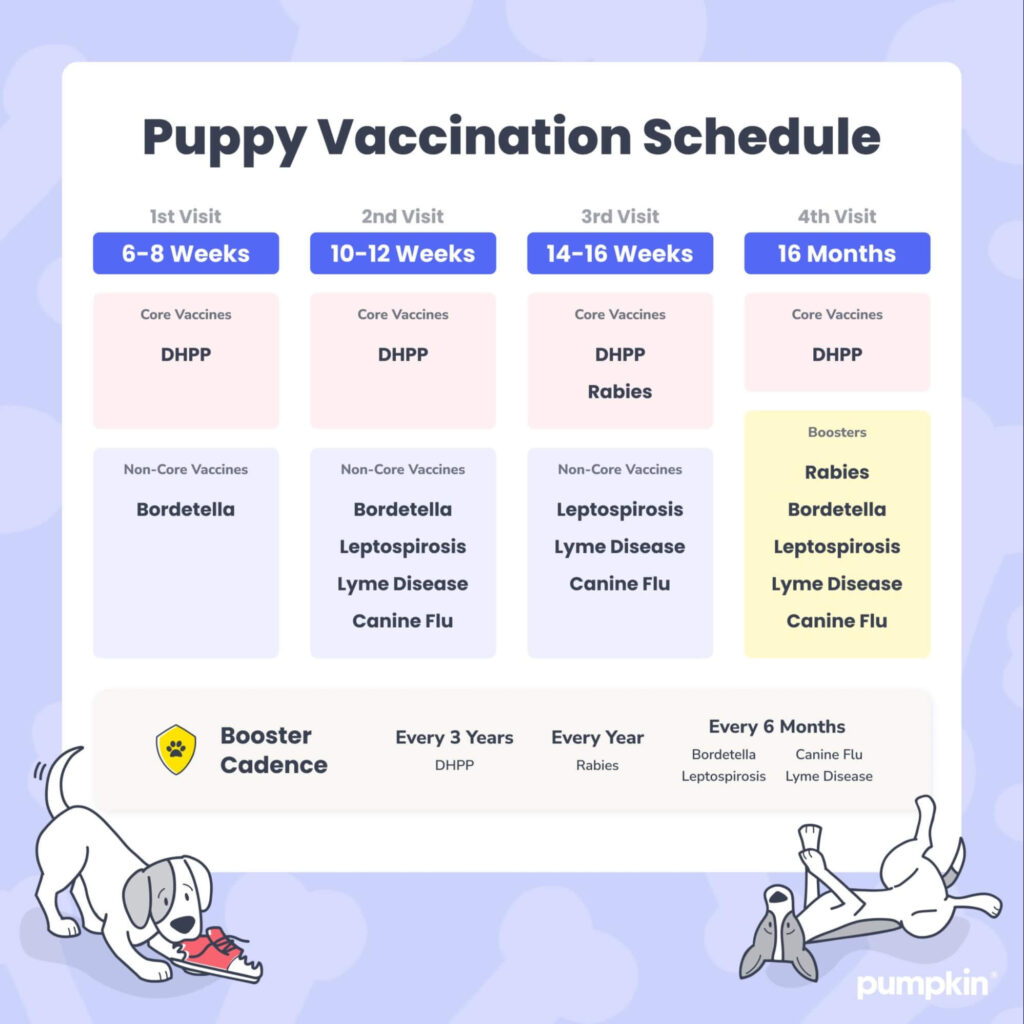
Puppy vaccinations are designed to protect against diseases. However, the first vaccination doesn't offer complete protection. Puppies need a series of shots to build a robust immune system. Missing even one can leave them vulnerable.
Timing Matters
The timing of vaccinations is crucial. Typically, the first shot is given at six to eight weeks of age. The series continues over several weeks. It's essential to follow your vet's schedule to ensure maximum protection.
Limited Socialization
After the first vaccination, socialization should be limited. It's tempting to introduce your puppy to new friends, but their immune system isn't fully developed yet. Meeting other dogs can expose them to harmful pathogens.
Safe Environments
Choose safe environments for your puppy. Indoor playdates with vaccinated dogs are better than public parks. Avoid areas frequented by unvaccinated or stray animals. This minimizes the risk of disease transmission.
Observing Behavior
Keep an eye on your puppy's behavior after meeting other dogs. Look for signs of illness such as lethargy or loss of appetite. Early detection of any issues can prevent serious health concerns.
Consulting Your Vet
Your vet is your best resource for advice. If you have any doubts, ask about the safest socialization practices post-vaccination. They can offer personalized recommendations based on your puppy's health.
Have you ever wondered how early experiences shape your puppy's behavior? Take a moment to consider how you can safely introduce your puppy to the world. By making informed choices, you help ensure a healthy, happy life for your furry friend.
Socialization Benefits
Puppies benefit greatly from socialization after their first vaccination. Meeting other dogs helps them develop crucial social skills. This early interaction builds confidence and ensures your puppy grows into a well-adjusted adult dog.
Socialization Benefits Socializing your puppy is crucial for its development. Meeting other dogs can teach your puppy how to behave and communicate in a pack. This experience can lead to a well-adjusted and confident adult dog.
Building Confidence
Meeting other dogs helps your puppy learn that the world is a safe place. Puppies can feel more secure when they understand that dogs of different sizes and breeds are friendly. This confidence is vital as they grow and face new environments.
Improving Communication Skills
Dogs communicate through body language, and your puppy needs practice. Watching how other dogs react to various signals helps your puppy learn what behaviors are acceptable. You might notice your puppy mimicking the play bow or wagging its tail, showing it's ready to play.
Creating Positive Associations
Your puppy should associate other dogs with positive experiences. If each interaction is fun and rewarding, your puppy will look forward to socializing. Consider bringing treats during playdates, creating joyful memories for your puppy.
Reducing Behavioral Issues
Socialized puppies are less likely to develop anxiety or aggression. If your puppy learns early on that other dogs are companions, it reduces fear-based reactions. You might find that your puppy is calmer and more relaxed around other dogs.
Enhancing Adaptability
Exposure to various dogs makes your puppy adaptable. It learns to be comfortable around different personalities and energy levels. You may notice your puppy is less startled by sudden movements or noises, having been around excitable playmates. Consider how these benefits can shape your puppy's future. What kind of adult dog do you want your puppy to become?
Tips For Safe Interaction
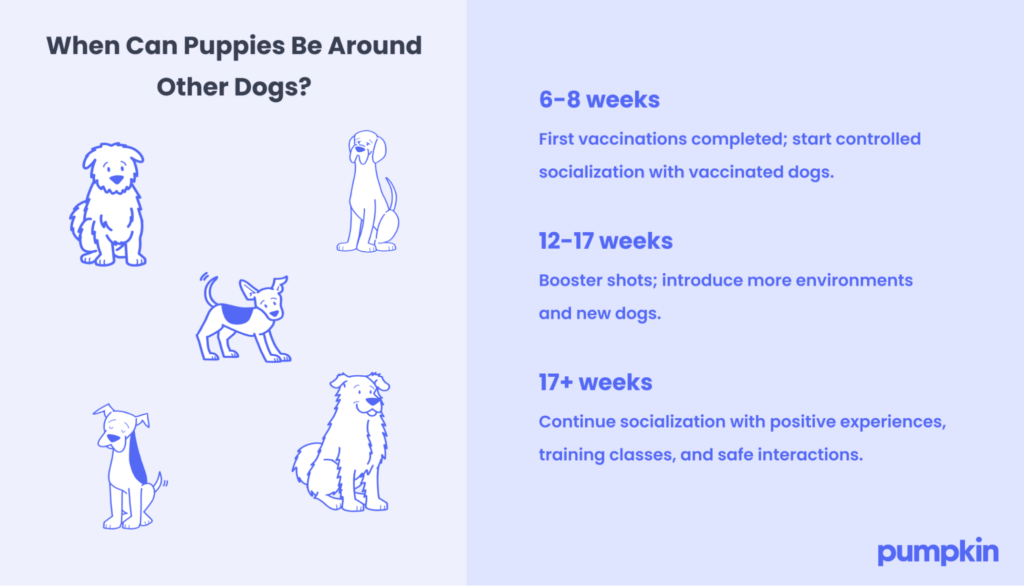
After the first vaccination, puppies can meet other dogs safely under supervision. Ensure the meeting takes place in a controlled environment. Monitor interactions closely to prevent any aggressive behavior.
When your puppy gets their first vaccination, it's natural to feel excited about them meeting other dogs. However, ensuring these interactions are safe is crucial for your puppy’s health and social development. Here are some tips to guide you in facilitating safe interactions for your puppy after their first vaccination.
Start With Controlled Environments
Choose environments where you can manage the interaction. Dog parks may not be the best first choice due to the number of dogs and varying levels of supervision. Instead, opt for a friend's backyard or a small playdate with another vaccinated puppy.
Observe Behavior Closely
Watch your puppy’s body language and that of the other dog. Look for signs of stress or discomfort. If your puppy seems overwhelmed, it's okay to pause and let them have a break. Puppies can get tired or anxious quickly.
Introduce One Dog At A Time
Introducing your puppy to one dog at a time can reduce stress and help them learn to socialize effectively. It allows them to build confidence and understand social cues without getting overwhelmed.
Keep Interactions Short
Limit the duration of interactions initially. Short bursts of play can be beneficial, allowing your puppy to enjoy socializing without getting exhausted. Gradually increase the duration as they become more comfortable.
Engage With Positive Reinforcement
Use treats or praise to reward your puppy for calm behavior during interactions. Positive reinforcement encourages good social habits and makes these experiences enjoyable for your puppy.
Consider Health And Safety
Ensure the dogs your puppy meets are also vaccinated and healthy. This reduces the risk of your puppy catching illnesses. Remember, it's always better to be cautious and inquire about the other dog's health status.
Trust Your Instincts
You know your puppy best. If something feels off about an interaction, trust your instincts and remove your puppy from the situation. Their safety and comfort should always come first. Have you noticed how puppies can be shy one moment and bold the next? Observing these changes can be fascinating and is part of learning your puppy's personality. What have you learned about your puppy during social interactions?
Credit: www.pumpkin.care

Credit: www.reddit.com
Frequently Asked Questions
Can Puppies Socialize After First Vaccination?
Yes, but with caution. Limit interactions to vaccinated dogs. Avoid public parks to reduce risks.
What Age Can Puppies Meet Other Dogs?
Generally, after their second vaccination. This is usually around 12 weeks. Consult your vet for specifics.
Why Wait Until Second Vaccination For Socializing?
Second vaccinations boost immunity. Puppies are vulnerable after just one shot. Protect them by waiting.
How Can I Safely Introduce My Puppy To Other Dogs?
Use private settings. Choose calm, vaccinated dogs. Monitor interactions closely. Ensure a positive experience.
What Are The Risks Of Early Socialization?
Unvaccinated puppies risk infections. Parvovirus and distemper are common concerns. Always prioritize safety.
Conclusion
Allowing puppies to meet other dogs is exciting. Socialization is crucial for their growth. After the first vaccination, be cautious. It’s best to consult your vet. They offer guidance on safe interactions. Keep environments clean and monitor puppy’s behavior. Watch for signs of illness.
Healthy interactions build confidence. Puppies learn from other dogs. Positive experiences shape their personality. Always prioritize safety and well-being. Socialization helps them grow into friendly dogs. Encourage gentle play and respect. Happy puppies become happy adult dogs. Your puppy’s journey starts with careful planning.
Make these early interactions joyful and safe.