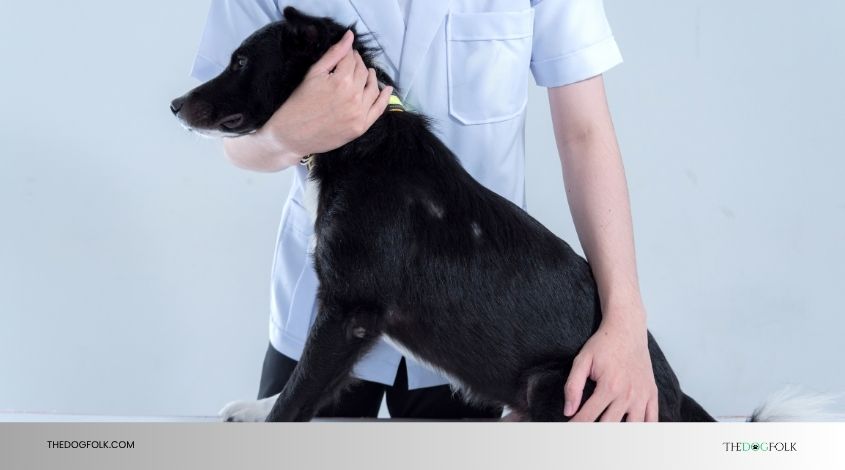
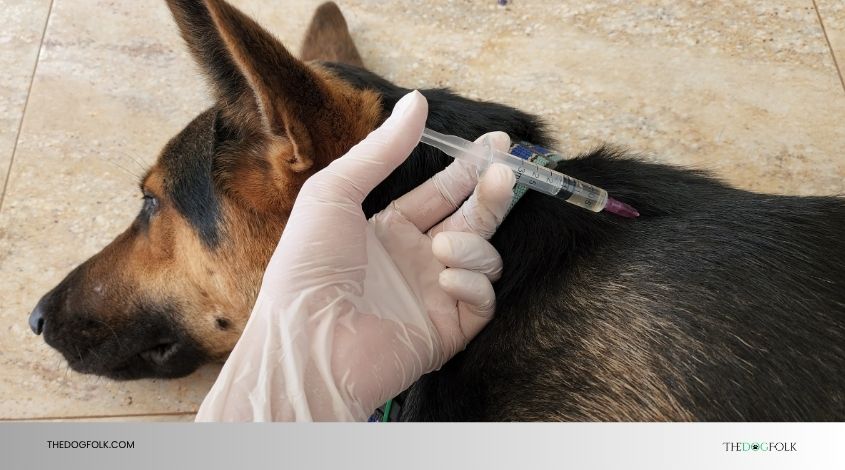
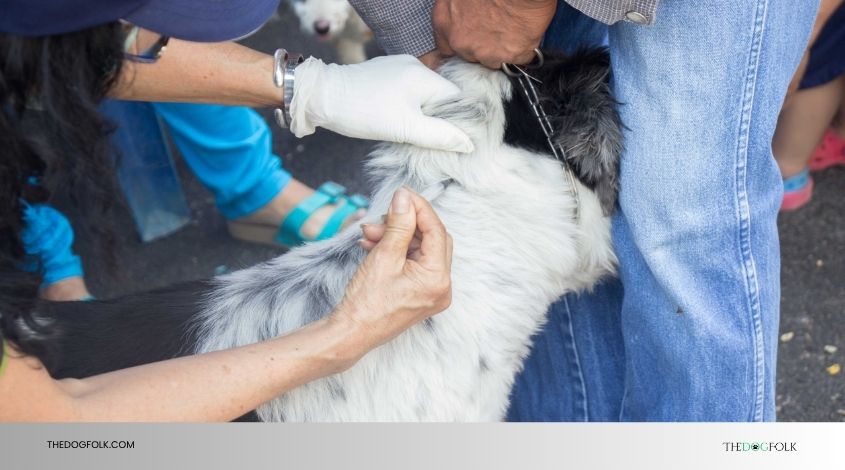
Imagine this: you’ve just returned from the vet, where your furry friend received their vaccinations. But then, a wave of doubt washes over you—could there be a mistake?
Was your dog vaccinated twice? It’s a question that can spark concern, especially given how much you care about your pet’s health. Navigating the world of pet care is often filled with questions and uncertainties, and this is one that many pet owners face.
Understanding the implications of double vaccinations is crucial for ensuring your dog's well-being. We'll explore what happens if your dog is vaccinated twice, how you can avoid it, and what steps you should take if it does happen. Stick around to ensure your beloved dog stays safe and healthy.
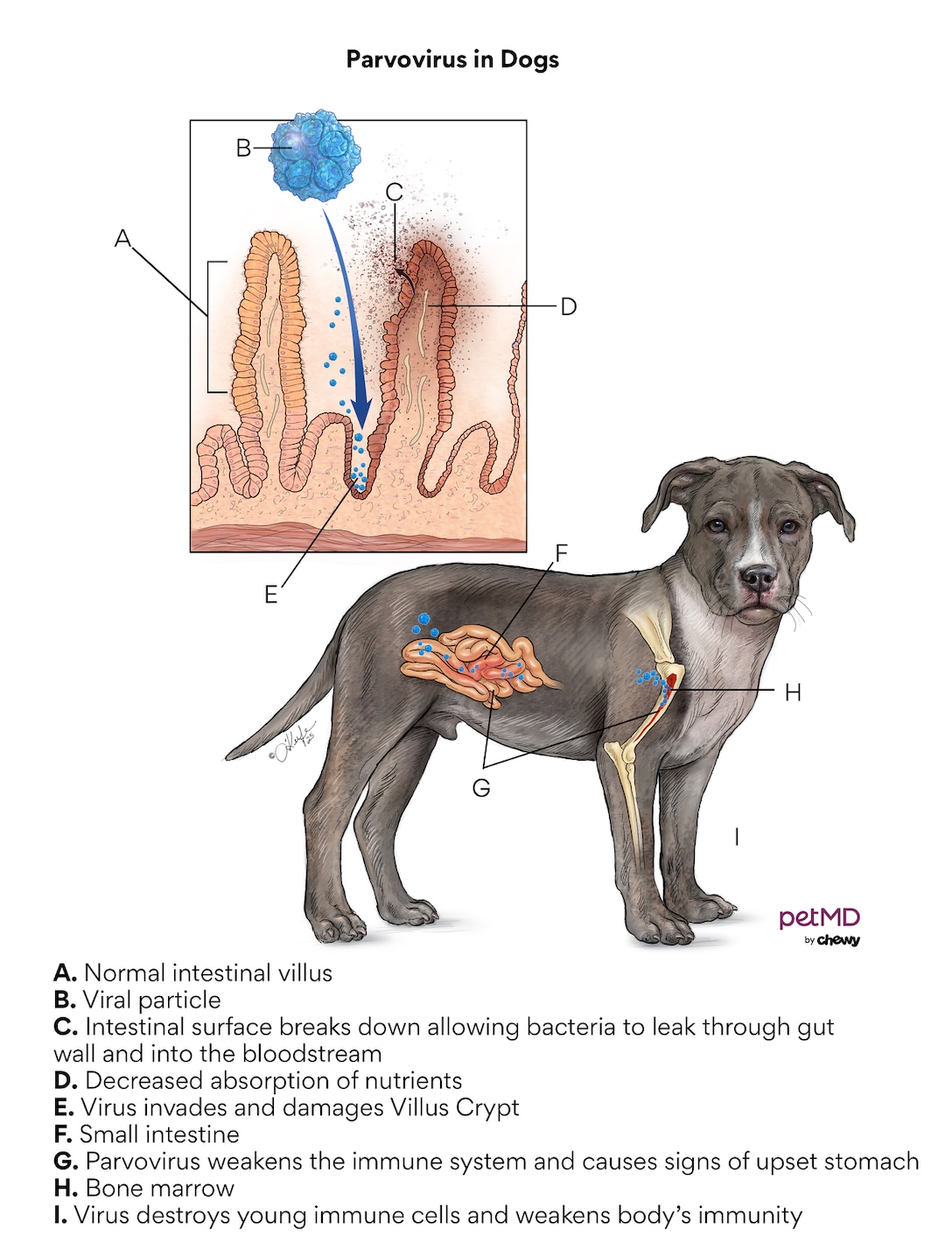
Credit: www.petmd.com
Vaccination Protocols For Dogs
Sometimes dogs might receive a vaccine twice. It's usually safe, but can cause mild side effects. Always consult a vet to check the dog's vaccination history before proceeding. Understanding proper protocols ensures your pet's health and safety.
Vaccination Protocols for Dogs Ensuring your furry friend is healthy and protected is a top priority for every dog owner. One of the most important aspects of safeguarding your dog's health is following the correct vaccination protocols. Vaccinations play a crucial role in preventing diseases and keeping your dog safe from various infections. But what happens if your dog is accidentally vaccinated twice? Let's explore the essentials of dog vaccination protocols and answer this pressing question.
What Are Vaccination Protocols?
Vaccination protocols refer to the schedule and type of vaccines that your dog should receive throughout their life. These protocols are designed by veterinarians to ensure optimal protection against diseases. The core vaccines typically include rabies, distemper, parvovirus, and adenovirus. Depending on your dog's lifestyle, additional vaccines may be recommended.
Why Follow A Vaccination Schedule?
Adhering to a vaccination schedule is crucial for building and maintaining your dog's immunity. Puppies, for instance, require a series of vaccinations to develop a robust immune system. Missing a vaccine or getting it at the wrong time can compromise your dog's protection. Scheduling regular vet visits ensures that your dog receives vaccines at the right intervals.
Can A Dog Be Vaccinated Twice?
Accidentally vaccinating a dog twice can happen, especially if you have multiple caregivers. While it may cause concern, it's usually not harmful. However, it's essential to monitor your dog for any adverse reactions. If you're ever in doubt, consult your vet immediately. They can provide guidance and adjust future vaccinations if needed.
Common Reactions To Vaccinations
Most dogs tolerate vaccinations well, but some may experience mild side effects. These can include slight swelling at the injection site, lethargy, or a mild fever. Serious reactions are rare but can happen. Always keep an eye on your dog after a vaccination appointment. If you notice unusual symptoms, contact your veterinarian right away.
How To Keep Track Of Vaccinations
Maintaining an accurate record of your dog's vaccinations is crucial. Consider using a pet health app or a simple calendar to track due dates. Keeping a physical folder with your dog's medical records can also be helpful. Share this information with anyone who helps care for your dog to avoid any mix-ups. Vaccinations are a fundamental part of pet care, but mistakes can happen. Understanding vaccination protocols and being proactive can help ensure your dog stays healthy and happy. Have you ever encountered an unexpected situation with your dog's vaccinations? How did you handle it? Share your experiences to help fellow dog owners navigate these challenges.

Credit: m.facebook.com
Potential Risks Of Double Vaccination
Vaccinating dogs is crucial for their health and wellbeing. But administering vaccines twice can pose risks. Understanding these risks helps in making informed decisions. Over-vaccination can lead to unnecessary health problems.
Potential Allergic Reactions
Double vaccination can trigger allergic reactions in dogs. Common signs include swelling, itching, and vomiting. Severe cases might cause breathing difficulties. Always monitor your dog post-vaccination. Immediate care can prevent serious issues.
Immune System Overload
Vaccinating twice can strain a dog's immune system. The body may become overwhelmed. This can lead to weakened immunity. A dog might become more susceptible to infections. Ensuring the right vaccine schedule is crucial.
Increased Risk Of Adverse Effects
Multiple doses can heighten the risk of side effects. These effects vary from mild to severe. Fever, lethargy, and loss of appetite are common. In rare cases, organ damage may occur. Always consult a veterinarian for advice.
Financial Implications
Double vaccinations can be costly. Unnecessary expenses add up quickly. Avoiding extra doses saves money. Ensure your dog receives only required vaccines. This approach is both economical and safe.
Long-term Health Concerns
Repeated vaccinations might affect long-term health. Chronic conditions could develop over time. Some dogs may experience autoimmune disorders. Maintaining accurate vaccination records is important. It helps track and avoid over-vaccination.
Consulting A Veterinarian
Consulting a veterinarian is crucial when considering your dog's vaccination schedule. Vaccinations protect against serious diseases. But, incorrect administration can lead to issues.
Sometimes, owners worry about their dog receiving a vaccine twice. It's essential to seek professional advice in such situations.
Understanding Vaccination Protocols
Veterinarians follow specific vaccination protocols. These guidelines determine the timing and type of vaccines. They ensure your dog gets the necessary protection without over-vaccination.
Risks Of Double Vaccination
Receiving a vaccine twice could lead to minor side effects. These include mild fever or swelling at the injection site. Serious reactions are rare but possible.
Why Consult A Veterinarian?
A vet can assess your dog's vaccination history. They can determine if a repeat vaccination is needed. Their expertise ensures your dog's health remains a priority.
How Veterinarians Help
Veterinarians provide personalized advice. They consider your dog's age, breed, and health status. This helps in making informed decisions about vaccinations.
Communication Is Key
Discuss any concerns with your veterinarian. Clear communication helps avoid misunderstandings about vaccine schedules. This ensures your dog's safety and well-being.
What To Ask Your Veterinarian
Ask about the risks and benefits of vaccinations. Understand the schedule and any potential side effects. This helps you make informed choices for your dog.
Credit: www.kiro7.com
Frequently Asked Questions
Can A Dog Be Vaccinated Twice Accidentally?
Yes, it can happen. Sometimes records get mixed. Always check before vaccinating.
What Happens If A Dog Gets Double Vaccinated?
Usually, no harm occurs. But observe for any unusual reactions. Contact your vet if concerned.
Can Over-vaccination Harm My Dog?
Rarely. Too many vaccines may stress the immune system. Consult your vet for advice.
How Can I Prevent Double Vaccination?
Keep accurate records. Discuss vaccination history with your vet before appointments.
Is It Necessary To Vaccinate A Dog Twice?
Not usually. Follow the vaccination schedule advised by your vet for best protection.
Conclusion
Vaccinating a dog twice can cause issues. Always check with your vet. They know your dog's medical history best. Over-vaccination might lead to health problems. Careful scheduling is essential. Keep accurate records of vaccines. This helps avoid unnecessary shots. Dogs need protection, but safely.
Educate yourself on vaccine schedules. Your vet can guide you. Good communication keeps your dog healthy. Prioritize their well-being with informed choices. Make sure your dog gets the right care. Keep them safe, not over-vaccinated. Always seek professional advice. It ensures your furry friend's health remains optimal.