Have you ever wondered if your furry friend needs dental cleaning just like you do? You’re not alone.
Many dog owners question the importance of dental care for their pets. You might think that your dog’s teeth are self-sufficient, but neglecting their dental health can lead to some surprising and costly issues. Imagine your dog’s discomfort from a toothache or the smell of bad breath greeting you every time they get close.
By the end of this article, you'll discover why dental cleaning isn't just a luxury for dogs but a necessity. Dive in to learn how you can help your dog live a happier, healthier life with a sparkling smile.
Credit: callananveterinarygroup.com
Importance Of Dental Care For Dogs
Dental care is crucial for maintaining your dog's health. Dogs use their teeth for eating, playing, and defending themselves. Healthy teeth can prevent many health issues. Regular dental cleaning keeps their teeth strong and healthy. It also stops the buildup of plaque and tartar. Neglecting dental care can lead to painful gum diseases. It might even affect their heart and kidneys. Proper dental care can extend your dog's life.
Why Dental Health Matters For Dogs
Dental health is essential for your dog's overall well-being. Unhealthy gums can lead to infections. These infections can spread and affect other organs. Healthy teeth help your dog chew food properly. This aids in digestion and nutrient absorption. Strong teeth also prevent bad breath. Dogs with clean teeth are happier and more active.
Common Dental Problems In Dogs
Dogs often suffer from gum disease. It can cause pain and discomfort. Plaque buildup leads to tartar. Tartar irritates the gums and causes inflammation. Dogs may also experience tooth decay. This can make eating painful for them. Broken teeth are another issue. They can happen during rough play or accidents.
Signs Your Dog Needs Dental Care
Look for signs of dental problems in your dog. Bad breath can indicate gum disease. Bleeding gums are a warning sign. Difficulty chewing might mean tooth pain. Drooling more than usual can be a concern. Swollen or red gums are a serious issue. If your dog loses interest in hard food, check their teeth.
Benefits Of Professional Dental Cleaning
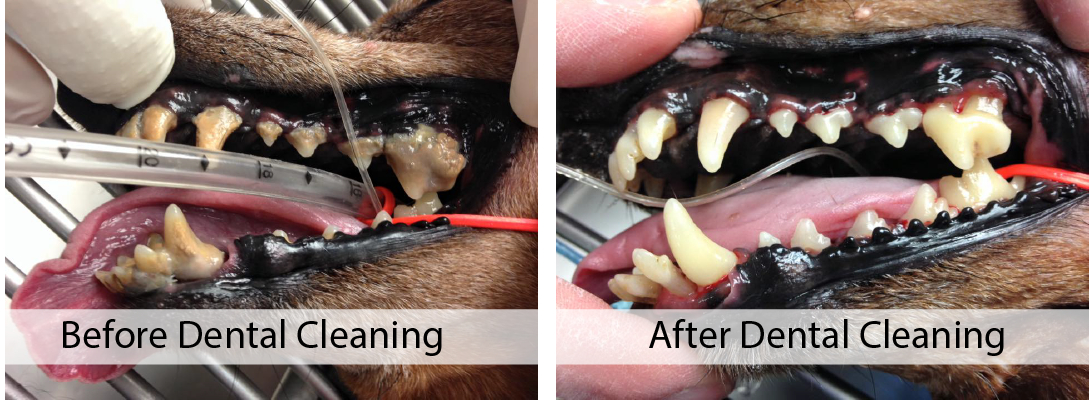
Professional cleaning removes plaque and tartar. It prevents gum disease and tooth decay. Vets examine your dog's mouth for hidden issues. Early detection can save your dog from pain. Clean teeth improve your dog's mood. They feel more energetic and playful. Professional care ensures thorough cleaning.
Credit: www.ahna.net
Signs Of Dental Issues In Dogs
Dogs may show signs of dental issues like bad breath, swollen gums, or difficulty eating. Regular dental cleaning helps maintain oral health and prevents serious problems. Early detection ensures your dog's comfort and happiness.
When it comes to your furry friend's health, dental care often gets overlooked. Yet, just like humans, dogs are susceptible to dental issues. Ignoring these can lead to pain and more severe health problems. So, how can you tell if your dog needs a dental check-up? Understanding the signs of dental issues in dogs is crucial for their overall well-being.
Bad Breath
If your dog's breath could make a skunk run for cover, it’s time to pay attention. While doggy breath isn't exactly minty fresh, a particularly foul odor might indicate dental disease. This unpleasant smell is often the result of bacteria buildup in the mouth.
Swollen Or Bleeding Gums
Swollen or bleeding gums are clear indicators of dental issues. Check your dog's gums; they should be pink and firm, not red or swollen. Bleeding can occur when they chew on toys or eat, hinting at possible gum disease.
Difficulty Eating
Is your dog showing reluctance to eat or chew? Watch for signs like dropping food or chewing on one side. Difficulty eating can be a sign of pain caused by dental problems.
Loose Or Missing Teeth
Loose or missing teeth in dogs are not normal and should raise a red flag. While puppies lose baby teeth, adult dogs should not experience this. If you notice gaps or loose teeth, it’s time for a vet visit.
Pawing At The Mouth
Dogs often paw at their mouths when something is wrong. This behavior might indicate discomfort or pain from dental issues. If your dog frequently paws at its mouth, investigate further.
Visible Tartar Buildup
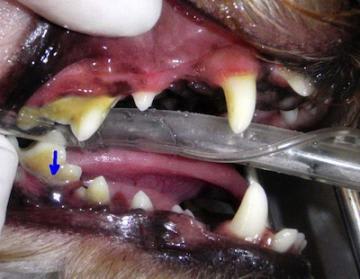
Take a look inside your dog's mouth. If you see a yellow or brown buildup on the teeth, that's tartar. Excessive tartar can lead to more severe dental issues, including gum disease and tooth decay. Spotting these signs early can prevent more serious health problems. Regular dental check-ups and cleanings can make a significant difference in your dog's quality of life. Do you recognize any of these signs in your dog? Taking action now can prevent unnecessary pain and improve their health. Your dog's smile is worth it.
Effective Dental Cleaning Methods
Dogs benefit from dental cleaning. Regular brushing and dental treats help keep teeth healthy. Professional cleanings might be necessary for plaque buildup. Good dental care prevents gum disease and bad breath.
Ensuring your dog has healthy teeth is crucial for their overall well-being. Just like humans, dogs need regular dental care to prevent problems like tooth decay and gum disease. Effective dental cleaning methods are vital to maintaining their oral health. You might wonder, "How can I best care for my dog's teeth?" Let's explore practical ways to keep those tails wagging and teeth sparkling.
Regular Brushing
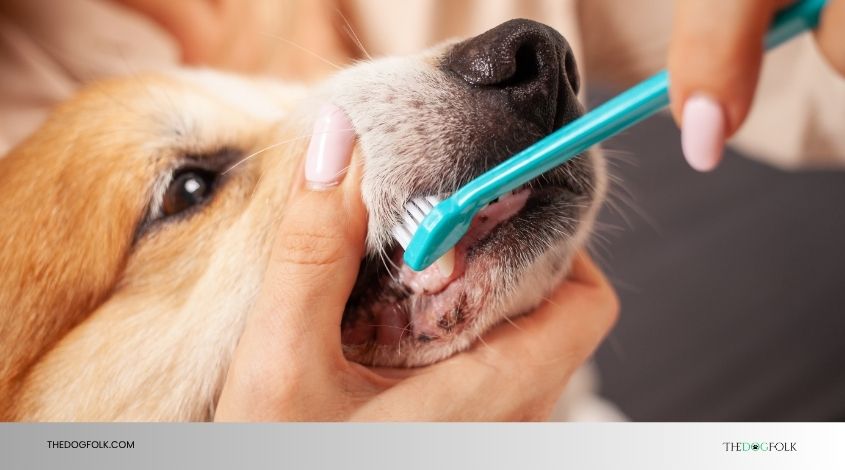
Brush your dog's teeth frequently. Aim for at least twice a week. Use a toothbrush designed for dogs and pet-safe toothpaste. Human toothpaste can be harmful to pets. Consider this: I once tried brushing my dog's teeth with mint-flavored toothpaste, and the outcome was a foamy mess and a very confused pup. Lesson learned—stick to pet products.
Dental Chews And Toys
Dental chews can be a fun way for your dog to clean their teeth. They help scrape off plaque while keeping your dog entertained. Have you noticed your dog gnawing on your shoes? Redirect that energy to toys designed for dental health. They work by promoting chewing and reducing tartar buildup.
Professional Cleaning
Consult your vet for professional cleaning. This usually involves a thorough cleaning under anesthesia, ensuring every nook and cranny is spotless. It's like giving your dog a fresh start. Many pet owners are surprised at how much happier their dogs seem afterward. Could professional cleaning be the key to your dog's brighter smile?
Dietary Adjustments
Consider your dog's diet for dental health. Some foods can naturally clean teeth while others may contribute to plaque. Crunchy kibble can help scrape teeth, while softer foods may stick and cause buildup. Think about what you're feeding your furry friend—could their diet be impacting their dental health?
Regular Vet Visits
Schedule regular vet visits for dental check-ups. Your vet can spot issues before they become serious problems. During these visits, ask for tips specific to your dog's breed and age. This personalized advice can be invaluable. Are you doing enough to prevent dental issues in your dog? Regular check-ups can be your best preventive measure. Engaging with your dog's dental care can be rewarding and fun. Try these methods to keep your dog's mouth healthy and happy. After all, a healthy mouth equals a happier pet!

Credit: mainelyvetdentistry.com
Frequently Asked Questions
How Often Should Dogs Get Dental Cleaning?
Dogs need dental cleaning at least once a year. Regular cleaning prevents plaque and tartar buildup.
What Are Signs My Dog Needs Dental Care?
Bad breath, red gums, and difficulty eating are signs. These may indicate dental issues.
Is Anesthesia Safe For Dog Dental Procedures?
Anesthesia is generally safe. Vets monitor dogs closely during dental procedures to ensure safety.
Can Dental Issues Affect My Dog's Health?
Yes, dental problems can lead to pain, infections, and heart issues. Regular check-ups are vital.
Are There Alternatives To Professional Dental Cleaning?
Yes, brushing at home and dental chews help maintain oral health. They are not substitutes for professional care.
Conclusion
Proper dental care is crucial for your dog's health. Clean teeth prevent painful issues. Visits to the vet help maintain oral hygiene. Regular brushing at home supports overall health. Healthy gums lead to a happier pet. Bad breath can be an early warning sign.
Don't ignore it. Always prioritize your dog's dental needs. Simple steps can avoid costly treatments later. Invest in their well-being now. Your furry friend deserves a bright, healthy smile. Keep those tails wagging and teeth sparkling!