If you've recently had your dog neutered, you're probably eager to see how this decision will impact their behavior. Neutering is a big step and can bring about noticeable changes in your furry friend's demeanor.
You might be wondering, "How long after neutering does behavior change? " This is a common question among pet owners, and understanding the timeline can ease your mind. We’ll explore the effects of neutering on your dog’s behavior and what you can expect in the days, weeks, and months following the procedure.
By the end, you'll have a clearer picture of how this change can influence your dog's life and your household dynamics. Stick around, because the insights you gain here could make all the difference in nurturing a harmonious relationship with your canine companion.
Immediate Effects Post-neutering
Neutering a dog brings several immediate effects to its behavior. Understanding these changes helps in managing expectations post-surgery. The initial days after neutering are crucial. Owners often notice subtle shifts in their dog’s behavior during this period.
Physical Recovery And Rest
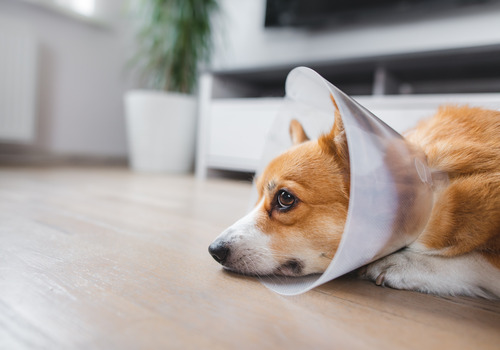
The first noticeable change is physical. Dogs need rest to recover from surgery. They may seem lethargic and prefer quiet spaces. Pain or discomfort might make them reluctant to move. This is normal and usually temporary.
Reduced Aggression And Dominance
Some dogs show decreased aggression soon after neutering. This results from hormonal changes in the body. Neutering reduces testosterone levels, affecting aggressive behavior and dominance.
Calmer Demeanor
Many owners observe a calmer demeanor post-neutering. Dogs often appear less anxious or reactive to stimuli. This calming effect helps in reducing stress-related behaviors.
Altered Social Interactions
Social interactions might change immediately. Dogs may become less interested in marking territory. They might show less interest in other dogs as well. These changes can be subtle but are generally positive.
Potential Temporary Discomfort
Temporary discomfort post-surgery is common. This can lead to irritability or restlessness. It’s important to provide comfort and monitor the healing process.
Understanding these immediate effects helps in providing better care. Observing changes aids in adjusting routines to support recovery.
Credit: www.whole-dog-journal.com
Short-term Behavioral Changes
Neutering your dog can be a significant event, not just for their health, but also for their behavior. After the procedure, many pet owners eagerly look for changes in their furry friend's demeanor. While long-term changes might take time, there are noticeable short-term behavioral shifts that you can observe. Let's dive into what you might see in the immediate aftermath of neutering.
Recovery And Rest
Post-surgery, your dog will need some time to recover and rest. During this period, you might notice them being less active or feeling a bit groggy. It's essential to provide a quiet and comfortable space for them to heal.
Temporary Mood Swings
Neutering can lead to temporary mood swings in dogs. You might find your usually cheerful pup appearing more subdued or occasionally irritable. This is often due to the discomfort and the hormonal changes they are experiencing.
Reduced Aggression
One of the more immediate benefits of neutering is a potential reduction in aggressive behavior. If your dog was prone to aggressive outbursts, you might see these diminish shortly after the procedure. However, patience is key, as full behavioral adjustment can take time.
Changes In Social Interaction
Post-neutering, some dogs might show changes in how they interact with other pets. They might become more docile or less territorial. Observing these changes can help you understand their new social dynamics and adjust accordingly.
Appetite Fluctuations
You might notice changes in your dog’s eating habits immediately after neutering. Some dogs experience a decrease in appetite due to the surgery and hormonal shifts. Monitoring their food intake is crucial to ensure they are healing properly.
Neutering is a journey for both you and your dog. As you observe these short-term changes, remember that your patience and support play a significant role in their transition. Have you noticed any unexpected changes in your dog post-neutering? Share your experience!
Long-term Impact On Dog's Behavior
Neutering can bring about significant changes in a dog's behavior. While immediate effects might be noticeable, the long-term impact is often more subtle and gradual. Understanding these changes is essential for pet owners looking to manage their dog's behavior effectively.
Physical Changes And Their Effect On Behavior
Post-neutering, a dog's hormone levels decrease. This reduction affects energy levels and aggression. Dogs may become calmer and less territorial. Some owners notice a decrease in roaming tendencies. Hormonal changes can also affect a dog's metabolism, potentially leading to weight gain. Regular exercise helps in maintaining a healthy weight.
Behavioral Adjustments Over Time
Behavioral changes after neutering vary from dog to dog. Some may show immediate improvements in social behavior. Others might take longer to exhibit noticeable changes. Patience is key during this adjustment period. Training can assist in reinforcing positive behavior. Consistency in commands and routines strengthens behavioral improvements.
Impact On Social Interactions
Neutered dogs often show increased tolerance towards other pets. Reduced aggression can lead to better social interactions. They might be more accepting of new animals and humans. This can enhance their overall social experience. Neutering can also reduce dominance issues during play.
Long-term Behavioral Consistency
Long-term behavioral consistency is achievable with proper guidance. Regular training sessions contribute to this goal. Positive reinforcement encourages good behavior. Over time, neutered dogs may become more predictable in their actions. This helps in creating a harmonious household environment.
Credit: parkvet.net
Credit: blissanimalhospital.com
Frequently Asked Questions
How Soon Will My Dog’s Behavior Change After Neutering?
Behavior changes can start in a few weeks. Full effects may take several months.
Does Neutering Calm Aggressive Dogs?
Neutering may reduce aggression linked to hormones. Not all aggressive behaviors will change.
Can Neutering Affect My Dog’s Energy Levels?
Yes, energy levels might decrease slightly. Dogs often remain playful and active.
Will My Dog Stop Marking Indoors After Neutering?
Neutering can reduce marking behavior. Training and patience are still important.
Conclusion
Changes in dog behavior post-neutering vary. Some dogs calm down quickly. Others may take weeks. Patience is important for owners. Each dog is unique. Monitor your dog's actions closely. Positive changes often come with time. Training and support help your dog adjust.
Neutering benefits go beyond behavior. It improves health too. Consult your vet for advice. They can guide you best. Stay calm and consistent. Your dog will adapt soon.