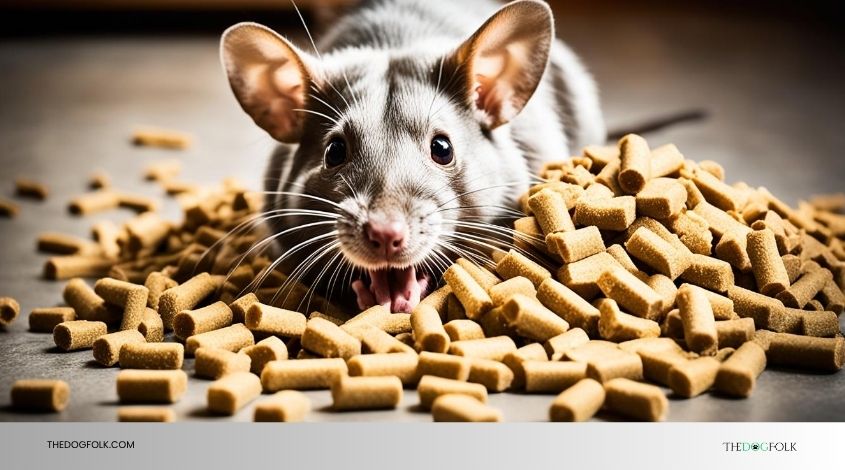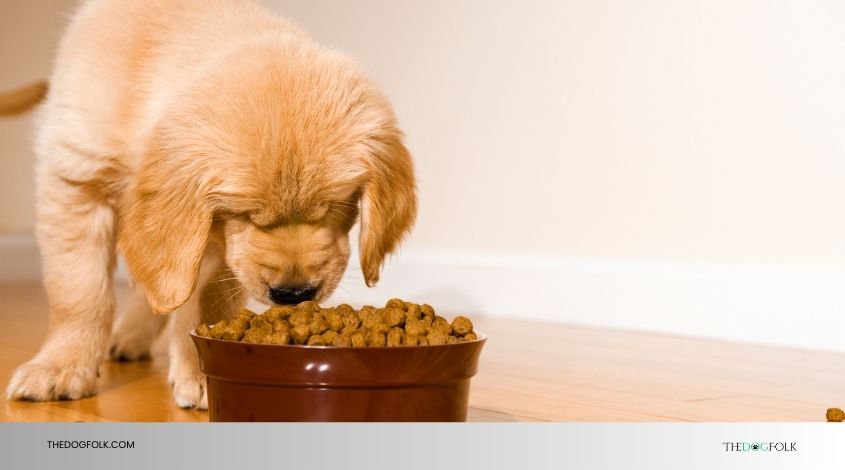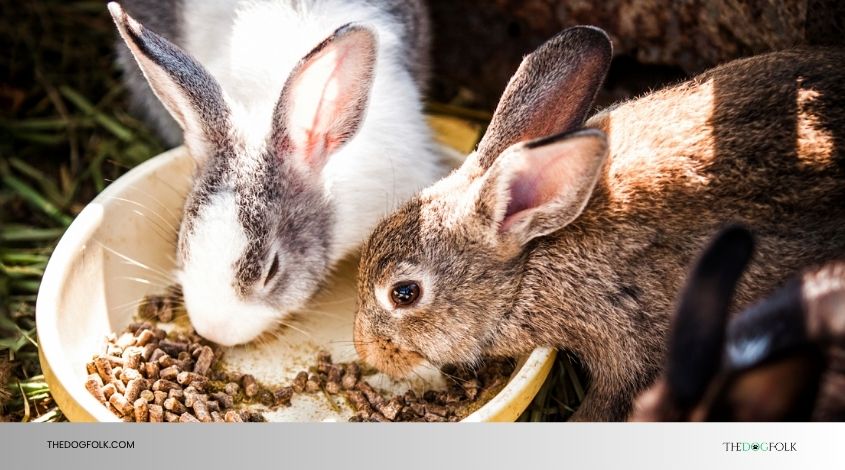
Imagine you're tidying up your pet supplies and suddenly a curious thought pops into your head: "Can rabbits eat dog food?" You're not alone in this curiosity.
As a pet owner, you want the very best for your furry friends, and sometimes, it seems like one pet's food could easily serve another. It can be tempting to offer your bunny a nibble from your dog's bowl, especially if you've run out of rabbit food.
But is it safe? Could it be harmful? We're diving deep into this intriguing question to ensure your beloved rabbit stays healthy and happy. You'll discover whether dog food is a suitable option for rabbits or if it's a dietary disaster waiting to happen. Your bunny's well-being depends on understanding their unique nutritional needs—let's uncover the truth together, so you can make informed choices and keep those little paws hopping joyfully. Stay with us to unravel the facts and myths behind feeding rabbits dog food.
Rabbit Dietary Needs
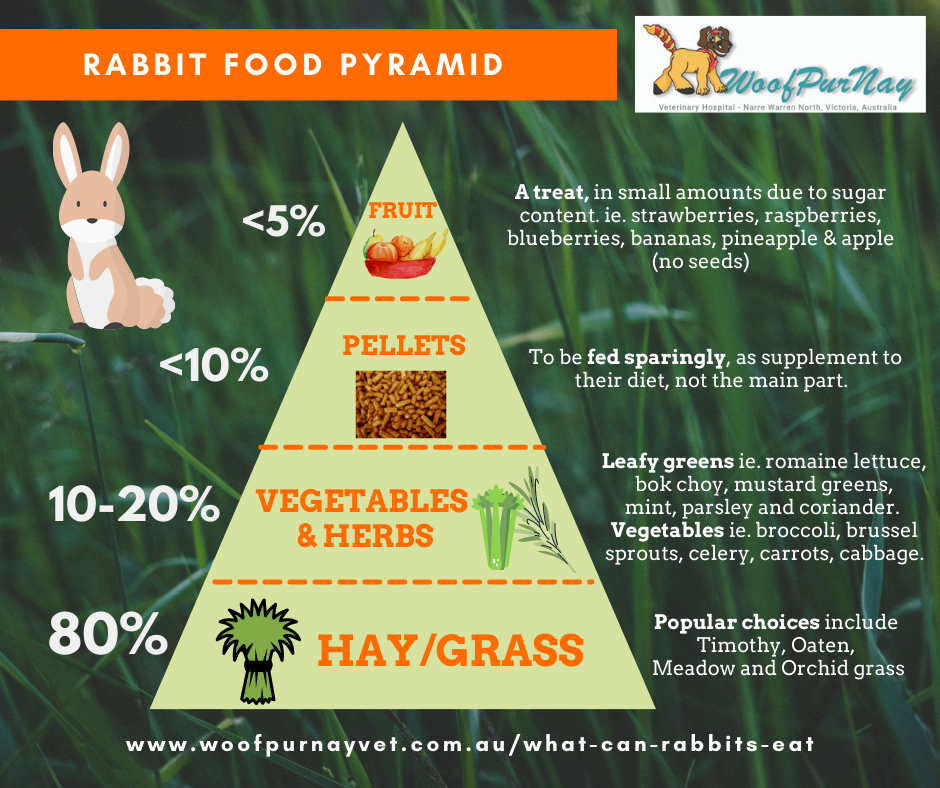
Rabbits need specific diets rich in hay, vegetables, and pellets. Dog food is unsuitable due to high protein and fat content. Feeding rabbits dog food may lead to digestive issues and health problems. It's crucial to stick to rabbit-friendly foods for their well-being.
Understanding the dietary needs of rabbits is crucial for their health and happiness. These furry friends have a unique digestive system that requires specific nutrients to thrive. Feeding them the wrong food, like dog food, can lead to health issues.
What Makes A Rabbit's Diet Unique?
Rabbits are herbivores, meaning they need a plant-based diet. Their digestive systems are designed to process fibrous material, making hay a staple in their diet. Have you ever noticed how rabbits chew constantly? This continuous chewing helps wear down their teeth and aids digestion.
The Role Of Fiber In A Rabbit's Diet
Fiber is the backbone of a rabbit's diet. It keeps their digestive tract moving smoothly and prevents blockages. Without enough fiber, rabbits can suffer from gastrointestinal stasis, a serious condition. Imagine if you skipped fiber in your diet—how would you feel?
Essential Nutrients For Rabbits
Rabbits need a balanced mix of nutrients, including vitamins, minerals, and proteins. Fresh vegetables like leafy greens provide essential vitamins. Pellets specially formulated for rabbits offer balanced nutrition. It’s like giving them a multivitamin packed with what they need.
Why Dog Food Isn't Suitable For Rabbits
Dog food is high in protein and fat, which is unsuitable for rabbits. Rabbits require a low-fat, high-fiber diet, and dog food can disrupt their digestive system. Feeding them dog food is akin to feeding you dessert for every meal—tempting but unhealthy.
Practical Tips For A Healthy Rabbit Diet
- Hay First: Make hay 80% of your rabbit's diet. - Fresh Greens: Add a mix of fresh vegetables daily. - Limit Pellets: Use rabbit pellets sparingly for balance. - Avoid Dog Food: Stick to rabbit-specific foods.
How do you ensure your rabbit gets the best nutrition? Are you feeding them the right mix of hay, greens, and pellets? Rethink their diet today to keep them hopping happily.

Credit: www.youtube.com
Ingredients In Dog Food
When you're a pet owner, ensuring your furry friends are healthy is a top priority. But what happens when your curious rabbit stumbles upon your dog's food bowl? Understanding the ingredients in dog food is essential to answering the question: Can rabbits eat dog food? While you might think sharing food is a sign of friendship, the composition of dog food is tailored specifically for canine needs, which differ greatly from those of rabbits.
Dog food typically contains a variety of ingredients designed to meet a dog's nutritional needs. Proteins, fats, carbohydrates, vitamins, and minerals are the backbone of a dog's diet. However, these components might not be suitable for rabbits.
Proteins: A Rabbit's Dilemma
Proteins are a major component in dog food, often derived from meat sources. While dogs thrive on high protein diets, rabbits do not. Rabbits require high fiber diets to keep their digestive systems healthy. Feeding them protein-rich dog food could cause digestive issues.
Fats: Too Much For Rabbits
Dog food often contains fats to provide energy and support skin health in dogs. Rabbits, however, have a different energy requirement. Excessive fats could lead to obesity and other health problems in rabbits. Would you risk compromising your rabbit’s health for convenience?
Carbohydrates: Not A Rabbit's First Choice
Carbohydrates in dog food come from grains and other sources. While dogs can process these carbs efficiently, rabbits need more fibrous foods. High carbohydrate content in dog food can cause an imbalance in a rabbit's diet.
Vitamins And Minerals: Tailored For Dogs
The vitamins and minerals in dog food are specifically chosen to support a dog's health, not a rabbit’s. Rabbits need different nutrients, and relying on dog food could lead to deficiencies. Are you willing to gamble with your rabbit's nutritional needs?
It's crucial to remember that rabbits have unique dietary requirements that dog food doesn't meet. Observing your pets' behaviors and preferences can be insightful, but their health should always come first. Wouldn't it be better to provide them with the right food that nurtures their specific needs?
Potential Risks For Rabbits
Rabbits have unique dietary needs. Dog food might seem tempting to offer, but it poses potential risks. Understanding these risks ensures the health and safety of your rabbit.
High Protein Content
Dog food contains high protein levels. Rabbits need a diet low in protein. Excessive protein can harm a rabbit's kidneys and liver. It may lead to long-term health issues.
Fat And Calories
Dog food is rich in fats and calories. Rabbits require a fiber-rich diet. High fat intake can cause obesity in rabbits. It might lead to cardiovascular problems.
Digestive Issues
Rabbits have sensitive digestive systems. Dog food can disrupt their digestion. It may cause diarrhea or constipation. Consistent digestive issues can be dangerous.
Artificial Additives
Dog food contains artificial additives. These additives may be harmful to rabbits. They can cause allergic reactions. It might affect your rabbit's overall health.
Nutritional Imbalance
Rabbits need specific nutrients. Dog food lacks essential rabbit nutrients. It can lead to nutritional deficiencies. Proper nutrition is crucial for rabbit health.
Dental Health Concerns
Rabbits need food that supports dental health. Dog food is often soft. It does not help wear down rabbit teeth. This can lead to dental problems.

Credit: uk.pinterest.com
Credit: www.woofpurnayvet.com.au
Frequently Asked Questions
Can Rabbits Eat Dog Food Safely?
No, rabbits should not eat dog food. It lacks essential nutrients rabbits need.
What Happens If A Rabbit Eats Dog Food?
Rabbits may experience digestive issues. Dog food is not designed for their dietary needs.
Why Is Dog Food Bad For Rabbits?
Dog food contains protein and fat levels unsuitable for rabbits. It can harm their health.
What Should Rabbits Eat Instead Of Dog Food?
Rabbits thrive on hay, fresh vegetables, and rabbit pellets. These provide necessary nutrients.
How To Prevent Rabbits From Eating Dog Food?
Store dog food securely. Feed rabbits separately to avoid accidental consumption.
Conclusion
Rabbits should not eat dog food. Their diet needs special care. Rabbit food must be high in fiber, low in fat. Dog food lacks the right nutrients for rabbits. It may lead to health problems. Always provide fresh hay, vegetables, and rabbit pellets.
These offer the best nutrition. Remember, a rabbit's digestive system is sensitive. Proper diet keeps them healthy and happy. Consult a vet for any dietary changes. Your rabbit deserves the best care possible. Always prioritize their specific needs. Healthy rabbits bring joy and companionship.
Keep their diet natural and safe.