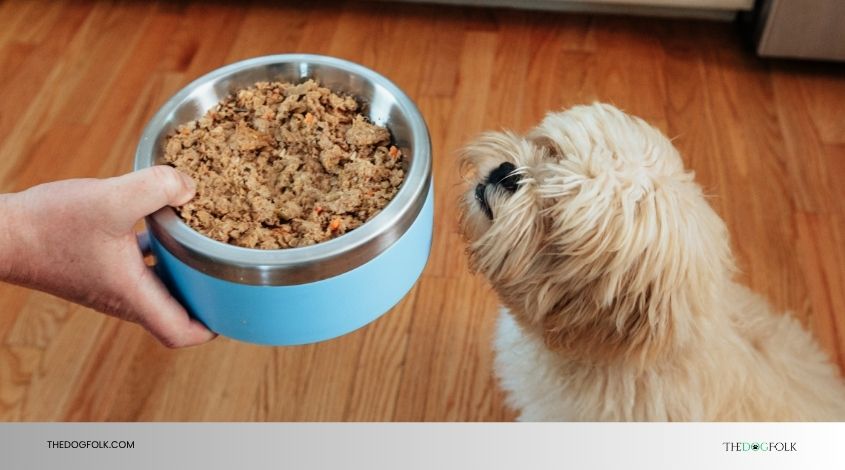
Are you standing in the pet food aisle, puzzled by the variety of choices for your furry friend? You might be wondering if feeding your adult dog puppy food is a good idea.
After all, puppy food is packed with nutrients and claims to support growth and development. But could it be too much for your grown-up pooch, or just what they need for a little extra boost? You're not alone in this confusion.
Many pet parents face the same dilemma. Understanding what’s best for your dog is crucial to their health and happiness. We’ll unravel the mystery of feeding puppy food to adult dogs, helping you make informed decisions. Stay with us as we explore the nutritional differences, potential benefits, and risks. Your dog's well-being might depend on it!
Nutritional Differences
Feeding your adult dog puppy food might sound convenient. But it's crucial to understand the nutritional differences. Puppy food and adult dog food serve different dietary needs. Puppies require more nutrients for growth, while adult dogs need maintenance-focused nutrition. Let's delve into the key nutritional differences between these food types.
Higher Calorie Content
Puppy food contains more calories. Puppies need extra energy for growth. Adult dogs have lower energy requirements. Feeding them high-calorie puppy food can lead to weight gain.
Protein Levels
Puppy food is rich in protein. This supports muscle and tissue development. Adult dogs need less protein. Their bodies aren't growing at the same rate.
Fat Content
Puppies benefit from higher fat content. It aids in brain development. Adult dogs need controlled fat intake. Excess fat can lead to health issues.
Essential Nutrients
Puppy food contains more essential nutrients. Calcium and phosphorus are crucial for growing bones. Adult dogs need a balanced nutrient intake. Too much can cause imbalances.
Digestive Considerations
Puppy food is easier to digest. It's designed for developing digestive systems. Adult dogs have matured systems. They need food that supports digestive health.

Credit: www.iams.com
Potential Benefits For Adult Dogs
Feeding adult dogs puppy food can offer surprising benefits. The nutritional profile of puppy food caters to growth needs. Some adult dogs might benefit from this nutrient-rich diet.
High Protein Content
Puppy food often contains higher protein levels. This supports muscle development and repair in adult dogs. High protein helps maintain lean body mass, crucial for active dogs.
Enhanced Digestibility
Puppy food is designed to be easily digestible. Adult dogs with sensitive stomachs can benefit from this. Easier digestion may improve nutrient absorption.
Rich In Essential Fats
Essential fats in puppy food contribute to skin and coat health. Omega-3 and Omega-6 fatty acids are often more abundant. These fats support cognitive function and joint health.
Increased Caloric Content
Puppy food is calorie-rich to support growth. Active adult dogs may need these extra calories. It helps maintain energy levels during rigorous activities.
Vitamins And Minerals
Puppy food has a higher concentration of vitamins. Essential minerals support bone health and immune function. These nutrients can boost overall health in adult dogs.
Risks And Drawbacks
Feeding puppy food to an adult dog can lead to weight gain and nutritional imbalance. Puppy food is rich in calories and nutrients designed for growth, which may not suit adult dogs. This switch might cause digestive issues and unnecessary health risks.
Feeding your adult dog puppy food might seem harmless, but it can come with unexpected risks and drawbacks. Puppy food is specially formulated to meet the high energy and growth requirements of young dogs. But what happens when you give this nutrient-rich food to a fully grown dog? You might be surprised to learn that it could lead to health issues and behavioral changes.
Excessive Nutrient Intake
Adult dogs need a balanced diet that matches their energy expenditure. Puppy food is packed with calories, proteins, and fats to support growth. An adult dog consuming these excess nutrients can gain weight rapidly. This weight gain can lead to obesity-related problems like joint pain and heart issues.
Imbalanced Diet
Your adult dog requires a diet suited to its lifestyle and activity level. Puppy food is designed for a different life stage. Feeding it to an adult dog can disrupt their nutritional balance. This imbalance might lead to deficiencies in essential vitamins and minerals that are crucial for their health.
Digestive Issues
Puppy food is rich and dense, often causing digestive discomfort in adult dogs. You might notice your dog experiencing bloating or irregular bowel movements. This discomfort can affect their mood and overall well-being.
Behavioral Changes
Have you ever wondered how diet affects your dog's behavior? A sudden switch to puppy food can lead to hyperactivity and restlessness in adult dogs. They might become more energetic than usual, which could be challenging to manage.
Long-term Health Implications
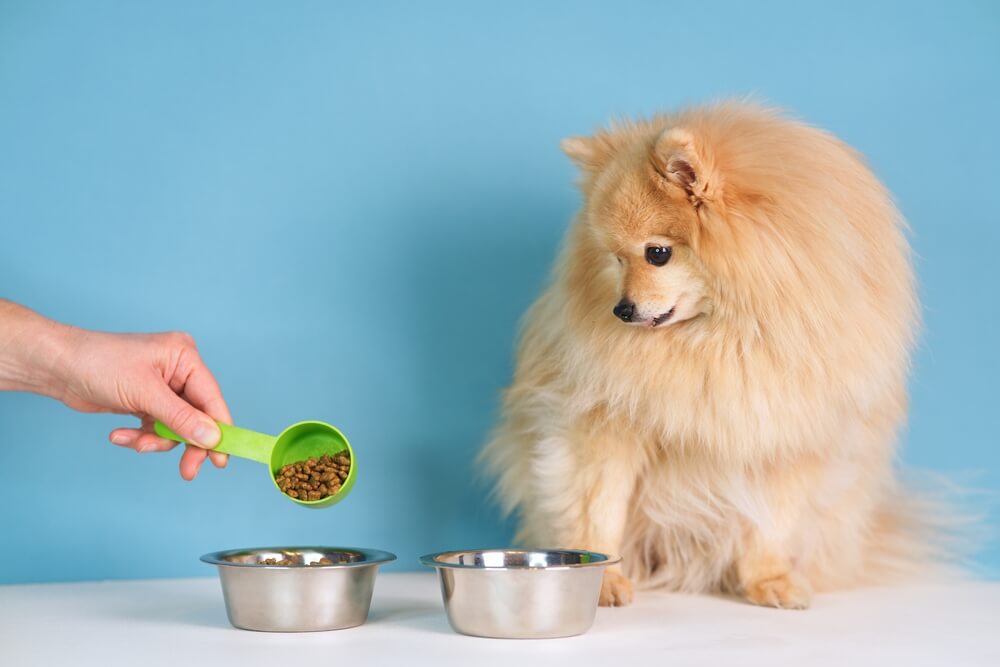
Feeding puppy food to an adult dog regularly can lead to long-term health problems. Excessive protein and fat intake can stress organs like the liver and kidneys. These health issues might not show immediately but can develop over time. Before making changes to your dog’s diet, consider the potential risks. Is it worth the convenience if it compromises your dog's health? Always consult with your vet to ensure your pet's dietary needs are met appropriately. Your dog’s health is in your hands, so choose wisely!
Credit: www.raisedrightpets.com
Credit: www.riiopenjournals.com
Frequently Asked Questions
Is Puppy Food Safe For Adult Dogs?
Puppy food can be high in calories and nutrients. It may lead to weight gain in adult dogs.
Will Puppy Food Affect My Dog's Health?
Feeding adult dogs puppy food might cause digestive issues. It can upset the balance of nutrients needed by adult dogs.
Can Puppy Food Cause Weight Gain In Dogs?
Yes, puppy food is calorie-dense. Adult dogs may gain weight if fed puppy food regularly.
Is Puppy Food Nutritionally Balanced For Adult Dogs?
Puppy food lacks the ideal nutrient balance for adult dogs. Adult dogs need different levels of protein and fats.
How Often Can Adult Dogs Eat Puppy Food?
Occasional puppy food won't harm adult dogs. Regular feeding can lead to health issues. Consult your vet for advice.
Conclusion
Feeding adult dogs puppy food isn't ideal. It lacks the right balance. Adult dogs need different nutrients. Puppy food is richer in calories and fats. This can cause weight gain. Or even health issues. Consult your vet for advice. They will guide you best.
Choose food designed for adults. It's tailored to their needs. Keeps them healthy and active. Remember, your dog's health matters. Proper diet ensures a long, happy life. Always read labels. Understand what you're feeding them. Make informed choices. Your furry friend deserves the best.