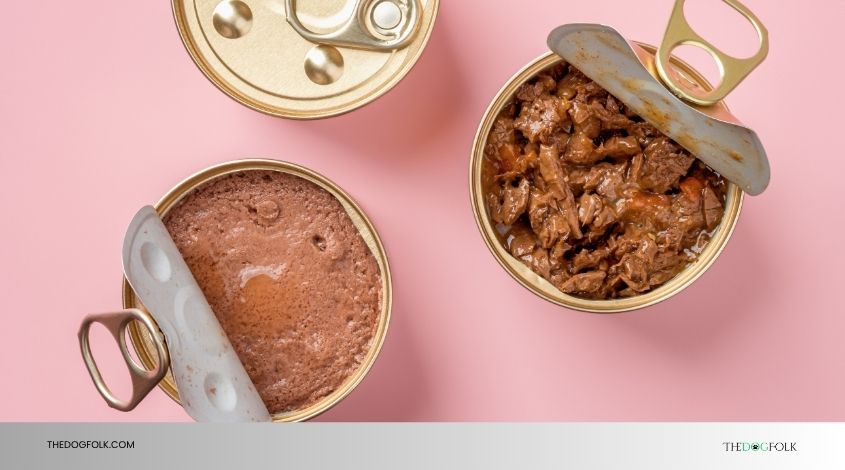
Have you ever noticed your furry friend experiencing a sudden bout of diarrhea after switching to wet dog food? You're not alone.
Many pet owners face this puzzling issue. It's natural to feel concerned and wonder if wet dog food could be the culprit. You love your dog and want what's best for them, but dealing with digestive issues can be tricky.
We'll dive into whether wet dog food can really cause diarrhea and explore what you can do to keep your pup healthy and happy. Stick around, because understanding this could make all the difference for your dog's well-being.

Credit: www.kinship.com
Common Ingredients In Wet Dog Food
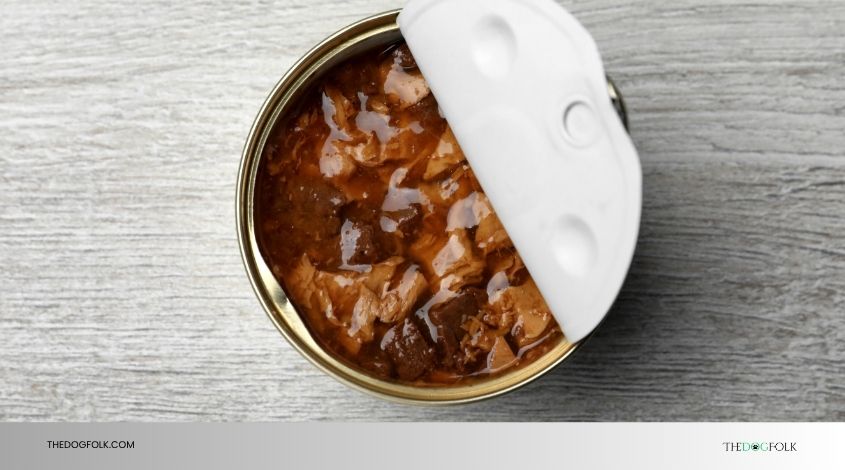
Wet dog food is a popular choice for many pet owners. It's known for its moisture content and enticing flavors. But, can it cause diarrhea? Understanding the common ingredients in wet dog food can help. Some ingredients may upset your dog's stomach.
Protein Sources
Protein is a primary ingredient in wet dog food. It often comes from meat, poultry, or fish. These proteins provide essential amino acids for your dog. Yet, some dogs may be sensitive to specific protein types. This sensitivity can lead to digestive issues like diarrhea.
Grains And Carbohydrates
Grains and carbohydrates offer energy and fiber. Ingredients like rice, barley, and potatoes are common. Not all dogs digest grains well. Some may experience stomach upset or diarrhea. Grain-free options might be better for sensitive dogs.
Additives And Preservatives
Wet dog food often contains additives and preservatives. They enhance flavor and shelf life. Some dogs react to these substances. Reactions can include diarrhea or other digestive issues. Always check labels for unwanted additives.
Fats And Oils
Fats and oils provide flavor and essential nutrients. They come from animal fat or fish oil. While beneficial, too much fat can upset a dog's stomach. This imbalance might cause diarrhea. Moderation is key in a healthy diet.
Vegetables And Fruits
Vegetables and fruits add vitamins and minerals. Common ingredients include carrots, peas, and apples. They provide fiber and nutrients. Yet, some dogs may not tolerate certain veggies or fruits well. This intolerance can lead to diarrhea.
Potential Causes Of Diarrhea
Diarrhea in dogs can be distressing for pet owners. Wet dog food is often blamed for causing digestive issues. However, several factors can contribute to diarrhea. Understanding these can help manage your dog’s health better.
Food Sensitivity
Some dogs have food sensitivities. Ingredients in wet dog food might trigger their digestive system. Common culprits include grains, certain meats, or artificial additives. Identifying these can be crucial in preventing diarrhea.
Sudden Diet Changes
Switching foods abruptly can upset a dog's stomach. Dogs need time to adjust to new diets. Gradual introduction of new food can prevent stomach issues. This approach can reduce the risk of diarrhea.
Overfeeding
Feeding your dog too much can lead to diarrhea. Portion control is important for maintaining digestive health. Overfeeding can overwhelm their digestive system, causing loose stools.
Food Contamination
Contaminated food can cause serious health issues. Wet dog food should be stored properly. Spoiled food can lead to diarrhea and other illnesses. Always check the expiration date before feeding.
Underlying Health Issues
Diarrhea can indicate an underlying health problem. Conditions like infections or allergies might be responsible. Consulting a veterinarian can help identify any serious issues.
Stress And Anxiety
Stress can affect a dog's digestion. New environments or loud noises might upset them. Ensuring a calm and comfortable setting can alleviate stress-related diarrhea.
Preventing Digestive Issues In Dogs
Wet dog food might sometimes lead to diarrhea in dogs due to its high moisture content. Switching between food types can upset sensitive stomachs. Look for high-quality ingredients and gradual transitions to help prevent digestive issues.
Preventing digestive issues in dogs is crucial for their overall health and happiness. You may have noticed your furry friend experiencing tummy troubles after eating wet dog food. This can be concerning, but with some practical steps, you can ensure your dog enjoys their meals without any digestive drama.
Understanding Your Dog's Dietary Needs
Every dog is unique, and their dietary needs vary. It's important to know what foods work best for your dog. Consider your dog's age, breed, and activity level. Younger dogs might require different nutrients than older ones. Adjust their diet accordingly to maintain a healthy digestive system.
Introducing New Foods Gradually
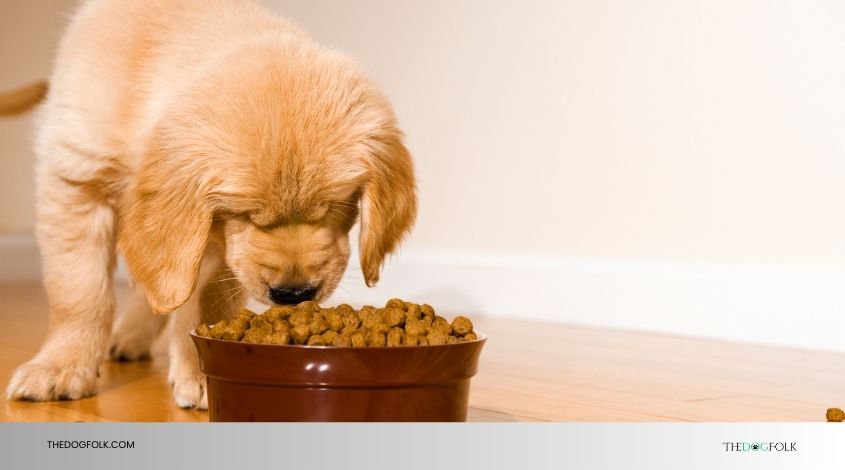
Sudden changes in diet can upset your dog's stomach. If you're switching to wet dog food, do it slowly. Mix a small amount of wet food with their usual dry food. Gradually increase the wet food portion over a week or two. This allows your dog's digestive system to adapt without stress.
Monitoring Portion Sizes
Overfeeding can lead to diarrhea, even with the best food. Stick to recommended portion sizes based on your dog's weight and age. It's tempting to give them a little extra, but moderation is key. A balanced meal keeps their digestion on track and prevents discomfort.
Maintaining Hydration Levels
Wet dog food contains higher moisture, which is great for hydration. However, your dog still needs fresh water available at all times. Proper hydration aids digestion and reduces the risk of constipation or diarrhea. Ensure their water bowl is always full and clean.
Observing Your Dog's Reaction
Pay attention to how your dog reacts after meals. Are they more playful or lethargic? Keep an eye on their stools for changes. If diarrhea persists, it might indicate an intolerance or allergy. Consult your vet to identify the problem and adjust their diet accordingly. By understanding your dog's unique needs, you can prevent digestive issues and keep them healthy. Have you ever noticed a change in your dog's behavior after trying a new food? What adjustments have worked for your furry friend?
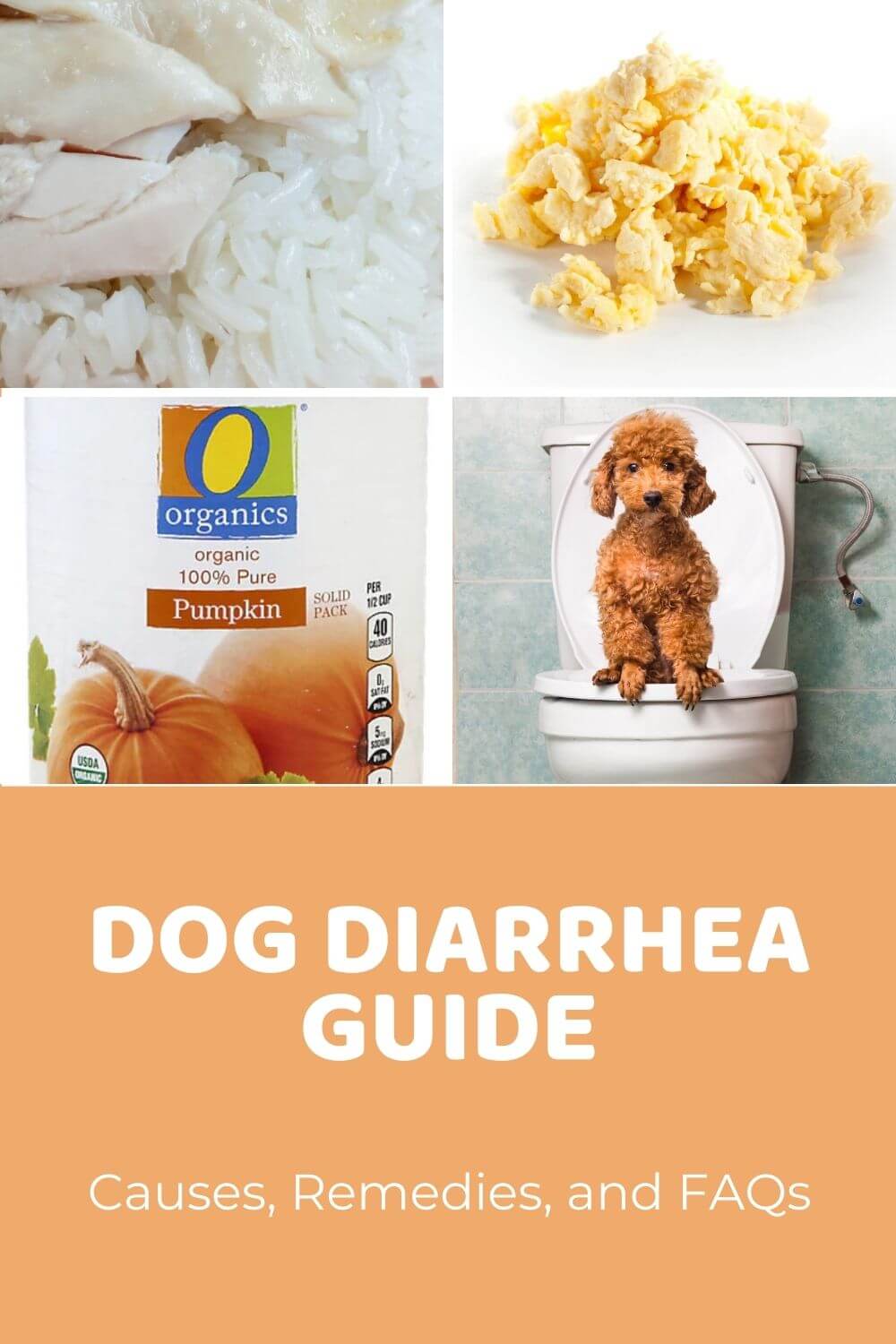
Credit: kimikal.es
Credit: www.houndsy.com
Frequently Asked Questions
Can Wet Dog Food Upset A Dog's Stomach?
Yes, wet dog food can upset some dogs' stomachs. Each dog reacts differently to new foods.
Why Does My Dog Get Diarrhea From Wet Food?
Some dogs have sensitive stomachs. Wet food ingredients or sudden diet changes might cause diarrhea.
Is Wet Dog Food Bad For Digestion?
Not always. Wet dog food is generally easy to digest. But some dogs might react differently.
How To Prevent Diarrhea From Wet Dog Food?
Introduce wet food slowly. Mix with dry food. Monitor your dog's reaction closely.
Can Switching Dog Food Cause Loose Stools?
Yes. Abrupt food changes can upset digestion. Transition gradually to avoid loose stools.
Conclusion
Wet dog food can sometimes cause diarrhea in dogs. It's important to monitor your dog's reaction. Every dog is different. Some may digest it well. Others might not. Always introduce new foods slowly. Consult your vet for guidance. They can offer advice.
Pay attention to ingredient labels. Look for any allergens. Keep your dog's diet balanced. Proper nutrition is key. This helps maintain a healthy digestive system. Consistent observation is crucial. This ensures your dog's well-being. Remember, a happy dog is a healthy dog.