Have you ever found yourself wondering if heating up your dog's food could make mealtime more enjoyable for your furry friend? Imagine transforming a routine feeding into a warm, comforting experience.
Just like you enjoy a hot meal, your dog might appreciate a little warmth in their dish too. But before you reach for the microwave, it's important to know whether it's safe and beneficial to heat up dog food. You'll discover the ins and outs of warming up dog food, the effects it might have on nutrition and taste, and how it could potentially enhance your pet's dining experience.
Keep reading to learn how you can make mealtime a treat for your beloved pet.

Credit: www.houndsy.com
Benefits Of Heating Dog Food
Heating dog food can enhance its aroma, making it more appealing to your furry friend. Warm food may also aid digestion and increase nutrient absorption, offering a cozy meal experience for your pet.
Heating dog food might not be the first thing that comes to mind when preparing your pet's meal, but it can offer several surprising benefits. Many pet owners have found that warming up their dog's food can improve not only the taste but also the overall eating experience. Let's dive into some of the practical advantages that come with heating your dog's food.
Enhances Aroma And Taste
Dogs rely heavily on their sense of smell. By heating their food, you intensify the aroma, making it more appealing to them. This can be especially helpful if your pet is a picky eater. Have you ever noticed how your dog comes running to the kitchen when you’re cooking your own meals? The same principle applies here. A warm meal can entice even the most stubborn noses.
Improves Digestibility
A warm meal is easier to digest. Heating dog food can help break down fats and proteins, making it easier for your dog's stomach to handle. This is particularly useful for dogs with sensitive stomachs or digestive issues. Imagine how you feel after eating a cold meal versus a warm one. The warmth can aid in better digestion and provide more comfort to your pet's belly.
Encourages Hydration
Warm food often contains more moisture, which can be beneficial for dogs who don't drink enough water. Adding a bit of warm broth to your dog's meal can boost hydration levels. Consider mixing warm water or low-sodium broth into their kibble. This not only enhances flavor but also ensures your dog is getting enough liquids.
Boosts Nutrient Absorption
Heating can help release nutrients in the food, making them more accessible for absorption. This means your dog gets more out of each bite. Proper nutrient absorption is crucial for maintaining your dog's health, energy, and coat. By warming their meal, you're helping them get the most from their diet.
Soothes Older Dogs
Older dogs often have dental issues that make chewing difficult. Warm, soft food can be easier for them to eat and enjoy. If your senior dog struggles with kibble, try warming up some wet food to make mealtime more enjoyable and manageable. Are you ready to try heating your dog's food? It’s a simple change that might make a world of difference. Your pet might just thank you with a wagging tail and a cleaner bowl!
Credit: www.akc.org
Safe Heating Methods
Heating dog food is safe with proper methods. Warmed food can enhance aroma and taste, enticing picky eaters. Ensure even heating to avoid hot spots, which can harm pets.
Heating up dog food can make meals more appealing and digestible for your furry friend. But, it's essential to know the safe methods to avoid harming your pet. Let's explore some effective ways to heat your dog's food safely.
Microwave Heating
Microwaving dog food is quick and convenient. Use a microwave-safe dish and cover it with a microwave-safe lid or a damp paper towel. This prevents splatter and retains moisture. Heat the food in short bursts, stirring in between to ensure even heating and avoid hot spots.
Stovetop Warming
Stovetop warming is another safe method. Place the food in a pan and add a splash of water or broth. This helps to maintain moisture. Warm it over low heat, stirring occasionally, until it reaches the desired temperature. Remember to let it cool before serving to avoid burns.
Using A Water Bath
A water bath is perfect for those who prefer a gentle heating method. Place the food in a heatproof container and submerge it in a bowl of warm water. This method slowly warms the food without direct heat, preserving its nutritional value.
Slow Cooker Heating
If you're planning ahead, a slow cooker can be your best friend. Add the dog food with a bit of water or broth and set it on low. This method is ideal for preparing meals in bulk or warming food while you're busy with other tasks. Just ensure the food isn't left to overcook.
Consideration Of Food Type
Different foods require different heating methods. Wet food may need less time compared to dry kibble. Be mindful of the type of food you're heating and adjust the method accordingly. Always check the temperature before serving. Is heating your dog's food part of your routine? It can enhance their dining experience, but safety should always be your priority. Which method do you find most effective?
Common Mistakes To Avoid
Heating up your dog's food might seem like a simple task, but there are common mistakes that can lead to unintended consequences. You want the best for your furry friend, and avoiding these pitfalls can ensure their meals are not only tasty but also safe. Let's dive into some frequent errors and learn how to steer clear of them.
1. Overheating the Food
One common mistake is overheating the food. It’s easy to think that hotter means better, but too much heat can destroy essential nutrients. Have you ever microwaved leftovers only to find them tasteless? Your dog’s food can suffer the same fate. Instead, aim for a gentle warming to preserve flavor and nutrition.
2. Using Metal Bowls in the Microwave
If you’re in a rush, you might forget and pop a metal bowl into the microwave. This can cause sparks and damage your appliance. Always transfer your dog’s food into a microwave-safe dish. It’s a small step that can save you from a major hassle.
3. Not Checking the Temperature
Imagine biting into a piping hot slice of pizza and burning your mouth. Your dog can experience the same discomfort. Always check the temperature before serving. A quick touch test can prevent unnecessary pain for your pet.
4. Heating with Sauce or Spices
You might think adding a bit of sauce or spices will make the food more delicious. Dogs have different taste preferences and digestive systems. Spices can upset their stomachs or even be toxic. Stick to heating the food as is, without extras.
5. Ignoring Food Safety Guidelines
Food safety is crucial. Heating up food doesn’t make spoiled food fresh. If the dog food smells off or looks odd, don’t heat it up. Trust your senses, and ensure the food is safe before warming it. Would you risk eating something that seems off? Your dog deserves the same caution.
By avoiding these mistakes, you can ensure your dog's meals are both tasty and safe. Next time you heat up their food, keep these tips in mind. Your dog will thank you with wagging tails and happy barks. What other practices have you found helpful in preparing your dog's meals? Share your thoughts!
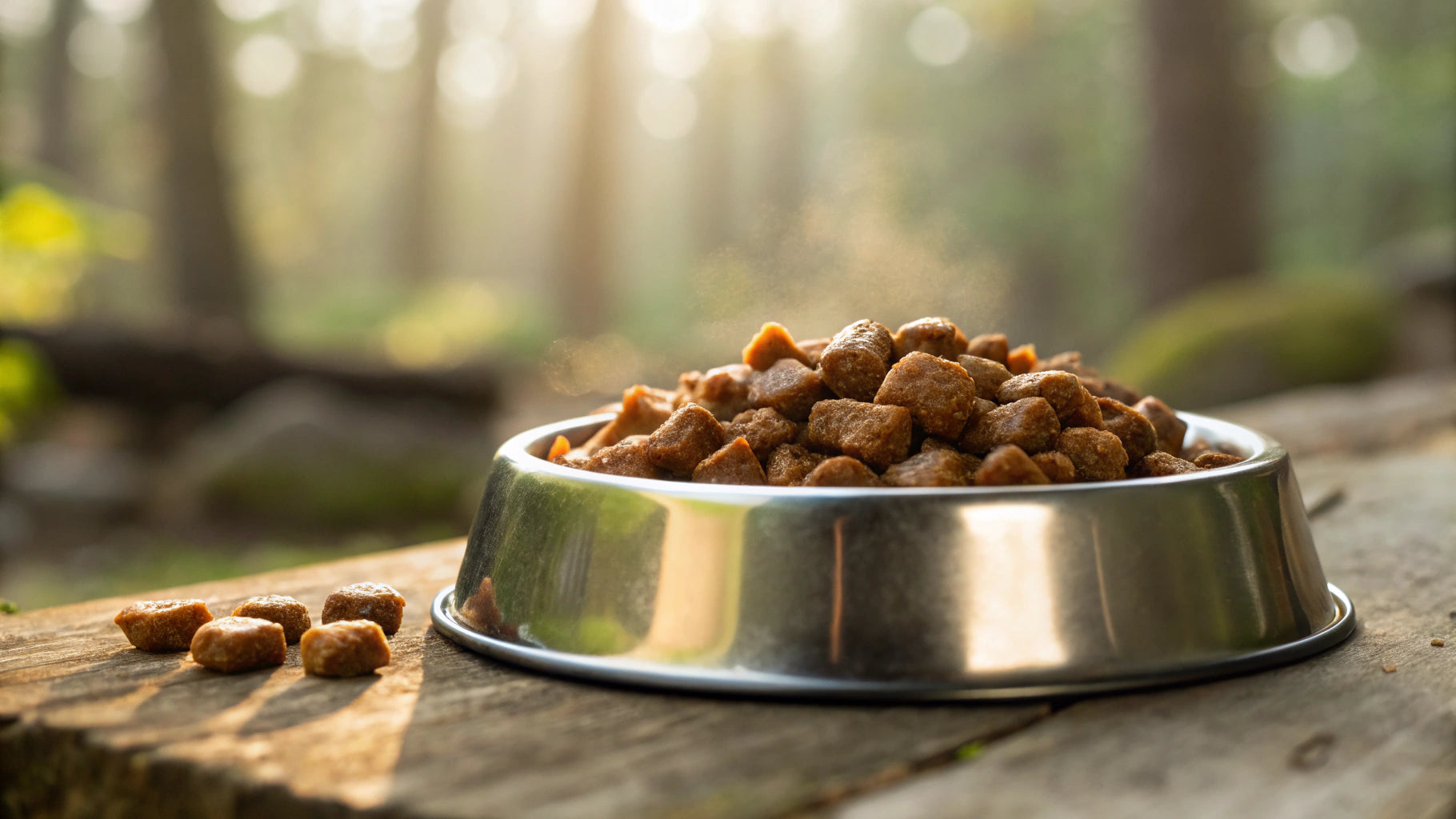
Credit: www.houndsy.com
Frequently Asked Questions
Can Heating Dog Food Improve Its Taste?
Yes, warming dog food can enhance its aroma and flavor. Dogs might enjoy it more.
Is It Safe To Heat Dog Food?
Yes, but ensure it's not too hot. Lukewarm is ideal to avoid burns.
How Should I Heat My Dog's Food?
Use a microwave or stove. Stir well and check the temperature before serving.
Does Heating Dog Food Reduce Nutrients?
Slightly, but not significantly. Most nutrients remain intact if not overheated.
Can I Heat Wet And Dry Dog Food?
Yes, but be cautious. Wet food heats faster. Add water to dry food before heating.
Conclusion
Heating dog food is possible and safe with care. Warmed food may enhance aroma and appeal for dogs. Ensure even heating to avoid burns. Microwaves or stovetops work well. Avoid high temperatures. Stir food thoroughly before serving. Consult a vet if unsure about heating.
Always prioritize your pet's safety and comfort. Some dogs prefer room temperature food. Others enjoy a warm meal. Observe your dog's preference. Adjust accordingly. Happy feeding equals happy dog. Remember, a balanced diet is crucial. Healthy pets are joyful companions.
Enjoy mealtime bonding moments with your furry friend.