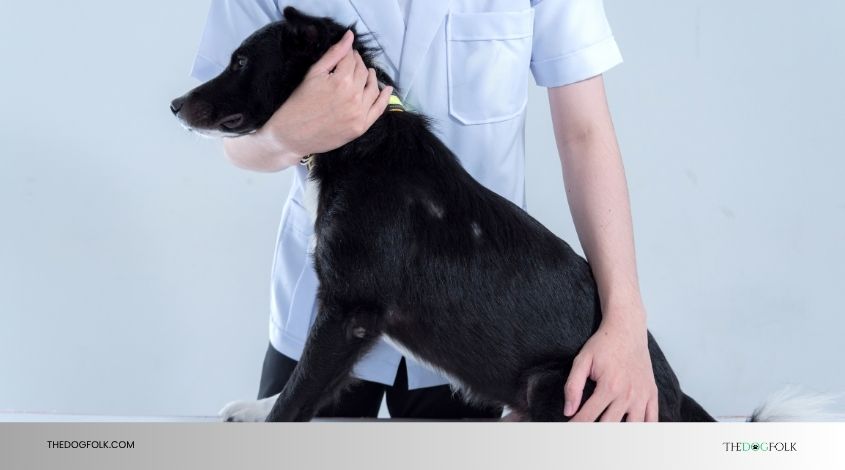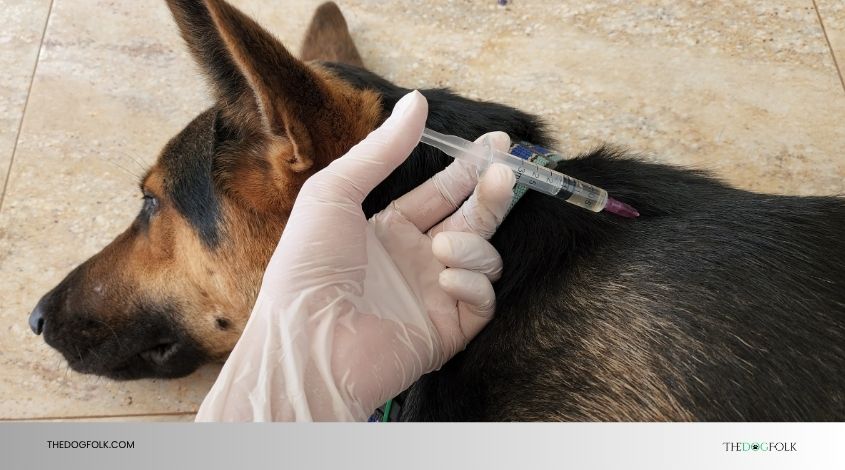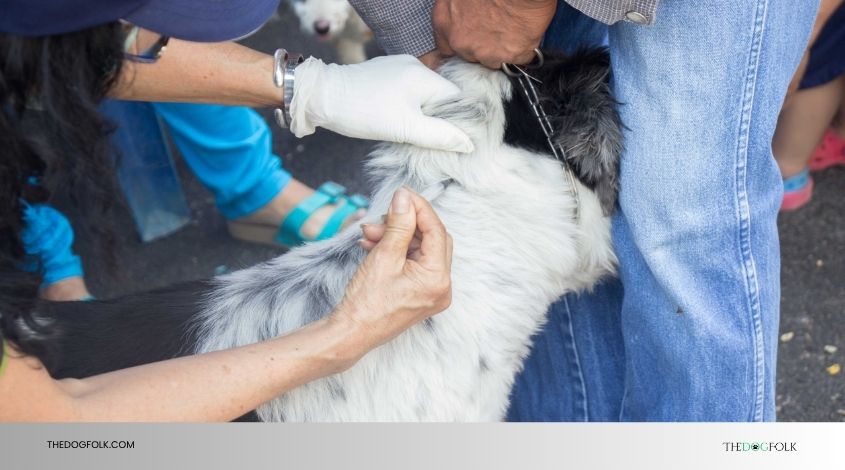
Imagine this: a simple vaccine could prevent your beloved dog from catching a potentially deadly disease. As a dog owner, you're always thinking about your furry friend's health and happiness, but with so many vaccines and treatments available, it can be overwhelming to know what your pup truly needs.
You might have heard about the lepto vaccine and wondered if it's necessary for your dog. This question isn't just about a shot—it's about your dog's safety and your peace of mind. We'll explore the lepto vaccine, what it protects against, and help you decide if it's the right choice for your canine companion.
Keep reading to ensure your dog stays safe and sound.
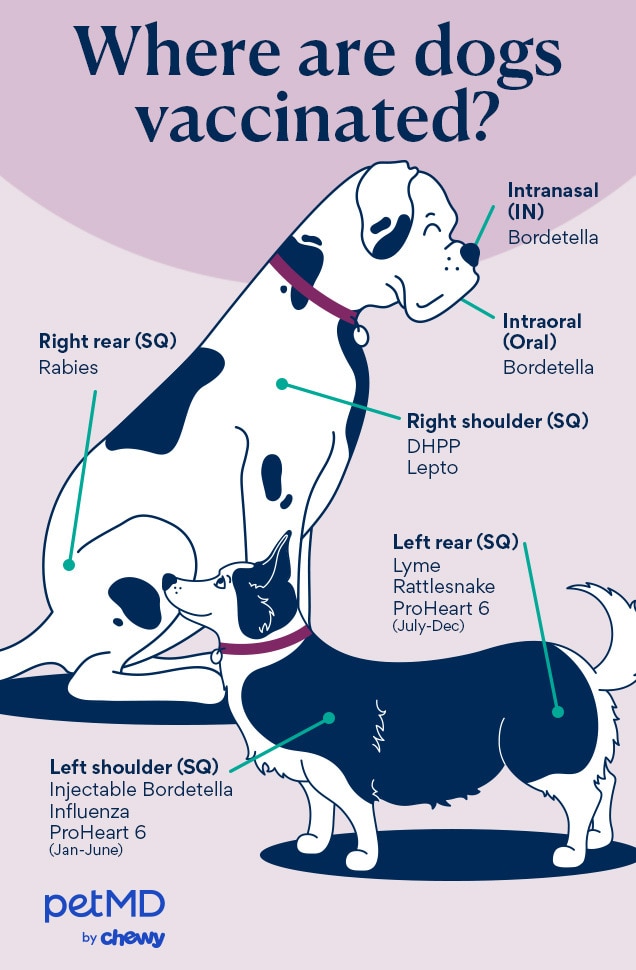
Credit: www.petmd.com
Leptospirosis In Dogs
Leptospirosis is a bacterial infection that affects dogs worldwide. This disease can cause severe health issues in dogs, including liver and kidney damage. It's transmitted through water contaminated with urine from infected animals. Understanding leptospirosis helps pet owners make informed decisions about their dog's health.
What Is Leptospirosis?
Leptospirosis is caused by bacteria called Leptospira. These bacteria thrive in warm, wet environments. Dogs can contract the disease by drinking or swimming in contaminated water. It can also spread through contact with infected animals.
Symptoms Of Leptospirosis In Dogs
Leptospirosis symptoms vary widely among dogs. Common signs include fever, vomiting, and diarrhea. Dogs may also show lethargy and loss of appetite. Severe cases can lead to jaundice and breathing difficulties.
Diagnosis And Treatment
Veterinarians diagnose leptospirosis through blood and urine tests. Early diagnosis is crucial for effective treatment. Antibiotics help fight the infection. Supportive care may include fluids and medications for symptoms.
Preventing Leptospirosis
Vaccination is key to preventing leptospirosis in dogs. It reduces the risk of infection and severe symptoms. Pet owners should consult their vet about vaccinating their dogs. Keeping dogs away from stagnant water can also reduce risk.
Credit: animalemergencycare.net
Benefits Of Lepto Vaccine
The Lepto vaccine plays a crucial role in safeguarding your dog's health. This vaccine protects against leptospirosis, a serious bacterial infection. It spreads through water, soil, or contact with infected animals. Understanding the benefits can help you make an informed decision. Let's explore how this vaccine can benefit your furry friend.
Prevents Serious Illness
The Lepto vaccine helps prevent leptospirosis in dogs. This disease can cause severe kidney and liver damage. Vaccinated dogs have a lower risk of getting sick. This means fewer trips to the vet and less worry for you.
Protects Against Multiple Strains
Leptospirosis has various strains, each causing illness. The vaccine covers multiple strains, offering broader protection. Your dog gains immunity against the most common types. This comprehensive coverage is vital for their overall health.
Reduces The Risk Of Transmission
Infected dogs can spread leptospirosis to humans. This makes it a zoonotic disease, affecting both pets and people. Vaccinating your dog reduces this risk. It ensures the safety of your family and community.
Essential For Dogs In High-risk Areas
Some areas have higher leptospirosis risk, like those with standing water. Dogs who swim, hunt, or live in rural areas face increased exposure. The vaccine is crucial for dogs in these environments. It provides necessary protection for their active lifestyles.
Supports Overall Health Management
Vaccination is a key part of preventive health care for dogs. It works alongside other vaccines to keep your pet healthy. Routine vaccinations help your dog live a longer, healthier life.
Assessing Risk Factors
Determining if your dog needs a lepto vaccine involves assessing risk factors like local disease prevalence and exposure to wildlife. Dogs in rural areas may face higher risks. Consult your vet to decide based on lifestyle and regional lepto cases.
Assessing the risk factors for your dog's need for the Lepto vaccine is crucial. Each dog has unique circumstances that influence whether the vaccine is necessary. Understanding these factors can help you make informed decisions about your pet's health.
Location Matters
Where you live plays a significant role in your dog's exposure to leptospirosis. Leptospirosis is more common in areas with warm climates and standing water. If your neighborhood has many ponds or rivers, your dog might be at higher risk.
Outdoor Activities
Does your dog love hiking or swimming? Dogs that frequently engage in outdoor activities are more likely to come into contact with infected water sources. Regular adventures in nature increase their exposure risk.
Exposure To Wildlife
Wildlife can be carriers of leptospirosis. If your backyard attracts animals like raccoons or rats, your dog might be at risk. Consider how often your dog encounters wildlife or their habitats.
Age And Health Condition
Your dog's age and overall health are important. Puppies and older dogs have weaker immune systems. If your dog is already dealing with health issues, they might be more vulnerable to infections.
Consulting Your Vet
A conversation with your vet provides clarity. They can assess your dog's specific risk factors. Vets have insights into local disease prevalence, which can guide your decision.
Balancing Risks And Benefits
Think about the benefits of the vaccine against potential risks. Leptospirosis can be severe, but not every dog needs vaccination. Weighing the pros and cons is essential for your dog's well-being. Assessing these risk factors helps you determine the necessity of the Lepto vaccine. You want the best for your dog, so consider each aspect carefully. What experiences have shaped your decisions about vaccines in the past?

Credit: www.thewelldogplace.com
Frequently Asked Questions
What Is The Lepto Vaccine For Dogs?
The lepto vaccine protects dogs from leptospirosis. It's a bacterial disease that can affect kidneys and liver.
Is Leptospirosis Dangerous For Dogs?
Yes, leptospirosis can be serious. It may cause kidney damage, liver failure, and even death in dogs.
Should All Dogs Get The Lepto Vaccine?
Not all dogs need it. Dogs in high-risk areas or with outdoor lifestyles benefit most from the vaccine.
How Often Should Dogs Get The Lepto Vaccine?
Usually, dogs get it yearly. Some vets recommend every six months for high-risk dogs.
Are There Side Effects To The Lepto Vaccine?
Some dogs might experience mild reactions. Symptoms include soreness at the injection site or temporary lethargy.
Conclusion
Choosing the right care for your dog matters. Lepto vaccine decisions depend on your dog's lifestyle. Talk to your vet. They know your dog's health needs best. Some dogs face higher risks. Others may not. Understand the benefits and risks.
Stay informed and make smart choices. Protecting your dog keeps them happy and healthy. Your dog’s well-being is a priority. Vaccines can play a key role in their health. Ensure your furry friend gets the care they deserve. Always seek professional advice for your pet's health.
Your dog's health is in your hands.