Have you ever wondered if the wet food you're feeding your dog could be the culprit behind those unexpected bouts of diarrhea? You're not alone.
Many dog owners face this puzzling situation and are left questioning their choices. You want the best for your furry friend, but the constant worry about their digestion can be overwhelming. This article will dive into the possible connection between wet food and diarrhea in dogs, shedding light on what you need to know to keep your pet healthy and happy.
Get ready to discover practical tips and expert insights that will ease your concerns and help you make informed decisions. Don't let uncertainty cloud your judgment; read on to find clarity and peace of mind for you and your beloved canine companion.
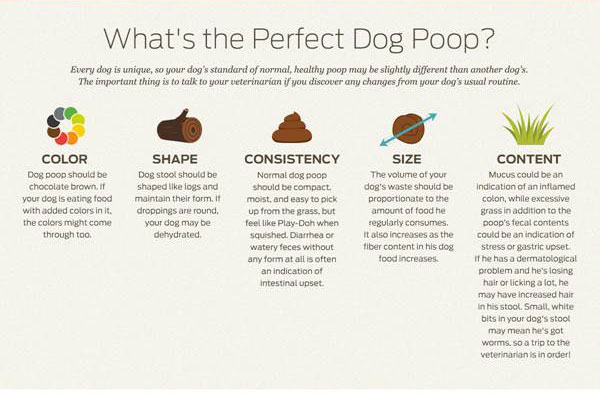
Credit: www.akc.org
Common Causes Of Diarrhea In Dogs
Wet food can sometimes lead to diarrhea in dogs due to its high moisture content. Sudden dietary changes may upset a dog's stomach, causing digestive issues. Always introduce new food gradually to avoid gastrointestinal distress.
Understanding what causes diarrhea in dogs can help you keep your furry friend healthy and happy. Diarrhea is a common issue, and while wet food is often blamed, it’s not always the culprit. Let’s dive into some of the most common causes of diarrhea in dogs so you can make informed decisions about their diet and health.
Dietary Indiscretion
Dogs are curious creatures and love to explore their environment. Sometimes, this leads to eating things they shouldn’t, like garbage or table scraps. This bad habit, known as dietary indiscretion, can lead to an upset stomach and diarrhea.
Sudden Changes In Diet
Have you recently switched your dog's food? Sudden changes in diet can upset their digestive system. Gradually introducing new food helps their stomach adjust and reduces the risk of diarrhea.
Food Allergies Or Sensitivities
Just like humans, dogs can have food allergies or sensitivities. Common allergens include beef, chicken, and dairy. If you suspect a food allergy, consult your vet to identify the specific cause.
Infections And Parasites
Bacterial infections and intestinal parasites are leading causes of diarrhea. Regular vet check-ups and timely vaccinations help prevent these issues. If your dog shows symptoms like vomiting or loss of appetite, seek veterinary care promptly.
Stress And Anxiety
Stress isn’t just a human problem—dogs feel it too. Changes in environment or routine can make your dog anxious, leading to digestive issues. Providing a stable and calm environment can help reduce stress-induced diarrhea.
Underlying Health Conditions
Sometimes diarrhea is a sign of an underlying health condition. Issues like pancreatitis, liver disease, or inflammatory bowel disease can manifest as diarrhea. Regular health check-ups are essential for early detection and management. Do you often find yourself cleaning up after your dog’s digestive mishaps? It might be time to assess their diet and environment. Understanding the root causes of diarrhea can lead to better prevention and a happier, healthier pet.
Credit: www.houndsy.com
Wet Food And Digestive Health
Wet food offers many benefits for dogs. It’s tasty, easy to chew, and often more digestible than dry food. But sometimes, wet food can cause digestive issues like diarrhea. Understanding how wet food affects digestive health is important for pet owners.
Why Wet Food Causes Diarrhea
Wet food contains more moisture. This can lead to faster digestion. Rapid digestion can upset a dog's stomach. Some dogs struggle with sudden dietary changes. Switching abruptly to wet food can lead to diarrhea.
Ingredients Matter
Not all wet foods are the same. Some contain additives or fillers. These can irritate the stomach. Look for high-quality wet food. Check the label for natural ingredients. Avoid foods with artificial colors or preservatives.
Portion Control
Feeding too much wet food can cause digestive issues. Large portions can overwhelm a dog's stomach. Start with smaller servings. Monitor your dog’s reaction. Gradually increase the amount if needed.
Gradual Introduction
Introduce wet food slowly. Mix a small amount with dry food. Increase the wet food gradually. This helps the stomach adjust. Reduces the risk of diarrhea.
Consult A Veterinarian
Diarrhea can be a sign of a health issue. If diarrhea persists, consult a veterinarian. They can offer guidance on diet. Recommend suitable food options. Ensure your dog's overall health.
Tips For Preventing Diarrhea
Diarrhea in dogs can be quite distressing for both you and your furry friend. If you've ever experienced this, you know how challenging it can be to manage. Wet food is sometimes blamed for causing tummy troubles, but there are ways to prevent this from happening. Let's dive into some practical tips to keep your dog's digestion in check and ensure their meals are a source of joy, not discomfort.
Introducing New Foods Gradually
When you decide to switch your dog's food, doing it abruptly can lead to digestive issues. It's important to introduce new wet food slowly over a week or so. Mix the new food with the old one, gradually increasing the new and decreasing the old. This gives your dog's stomach time to adjust.
Maintain Consistent Feeding Schedule
Dogs thrive on routine. Feeding them at the same time every day helps their digestive system stay regular. Avoid feeding your dog just before bedtime, as this can lead to midnight bathroom trips. A consistent schedule also helps you monitor any changes in their digestion.
Ensure Proper Hydration
Hydration plays a crucial role in digestion. Make sure your dog always has access to fresh water. Wet food can help with hydration, but don't rely on it solely. Keep an eye on their water bowl, especially if you notice any signs of dehydration.
Check The Ingredients
Some dogs may have sensitivities to certain ingredients in wet food. Look for foods that are free from artificial additives and fillers. Foods with high-quality proteins and grains tend to be gentler on the stomach. If your dog has known allergies, always check the label before buying.
Monitor Portion Sizes
Overfeeding can lead to diarrhea. Use the guidelines on the food package as a starting point. Adjust based on your dog's activity level and weight. Sometimes, a little less food can make a big difference in their digestive health.
Have you ever tried switching dog foods and ended up with a messy situation? It's a learning curve, but with patience and these tips, you can find the right balance for your pup's diet. Remember, every dog is different, so what works for one might not work for another. Share your experiences and insights—what has worked for your dog in managing their digestion?

Credit: www.kinship.com
Frequently Asked Questions
Can Wet Food Lead To Diarrhea In Dogs?
Yes, it can. Some dogs may have sensitive stomachs. Wet food might cause upset.
Why Does Wet Dog Food Cause Diarrhea?
Wet food can be rich and moist. Some ingredients might not suit every dog.
How Can I Prevent Diarrhea From Wet Food?
Start with small amounts. Gradually increase. Monitor your dog's reaction closely.
Should I Switch To Dry Food If Diarrhea Occurs?
Consider dry food if diarrhea persists. Consult your vet for advice.
Is It Normal For Dogs To Have Diarrhea After Switching Food?
Yes, it can happen. Dogs need time to adjust to new food types.
Conclusion
Wet food might cause diarrhea in some dogs. Sensitivity varies by dog. Monitor your pet's reactions when you change their diet. Gradual changes help avoid digestive issues. Consult your vet for persistent diarrhea. They can offer guidance and solutions. Balanced nutrition is key for your dog's health.
Always prioritize quality ingredients in dog food. Choose foods that suit your dog's needs. Healthy digestion ensures a happy, active pet. Your attention to their diet matters. Keep them comfortable and well-fed. Your dog will thank you with wagging tails and joyful barks.